Key Highlights
- Magnitude:A powerful 6.5 earthquake struck northern Peru early Sunday.
- Casualties:At least four people have died, and dozens are injured.
- Damage:Significant destruction to homes and infrastructure reported.
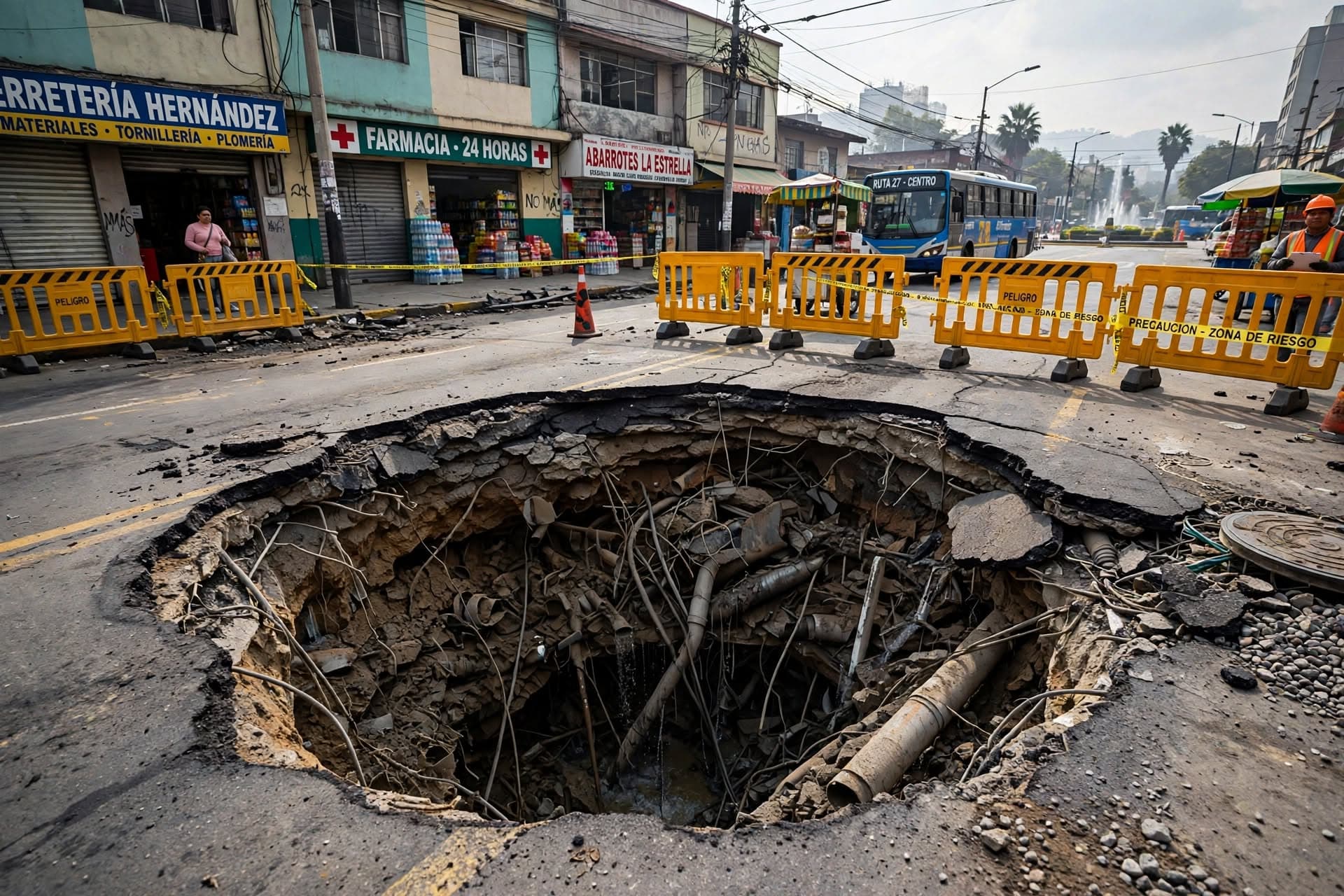
A powerful magnitude 6.5 earthquake struck northern Peru early Sunday morning, resulting in at least four fatalities and numerous injuries. The quake, which occurred at an intermediate depth, was felt across multiple provinces, causing panic among residents who fled their homes into the streets before dawn. Structural engineers confirmed that several older masonry buildings in rural areas near the epicenter collapsed, exacerbating the situation.
Emergency medical units were deployed to transport the injured to regional hospitals, where medical personnel treated victims for various injuries, including fractures and blunt trauma. Triage facilities were set up in parking lots to manage the influx of patients. Local authorities reported that the fatalities were primarily due to heavy roof tiles and unreinforced adobe walls collapsing on sleeping residents during the quake.
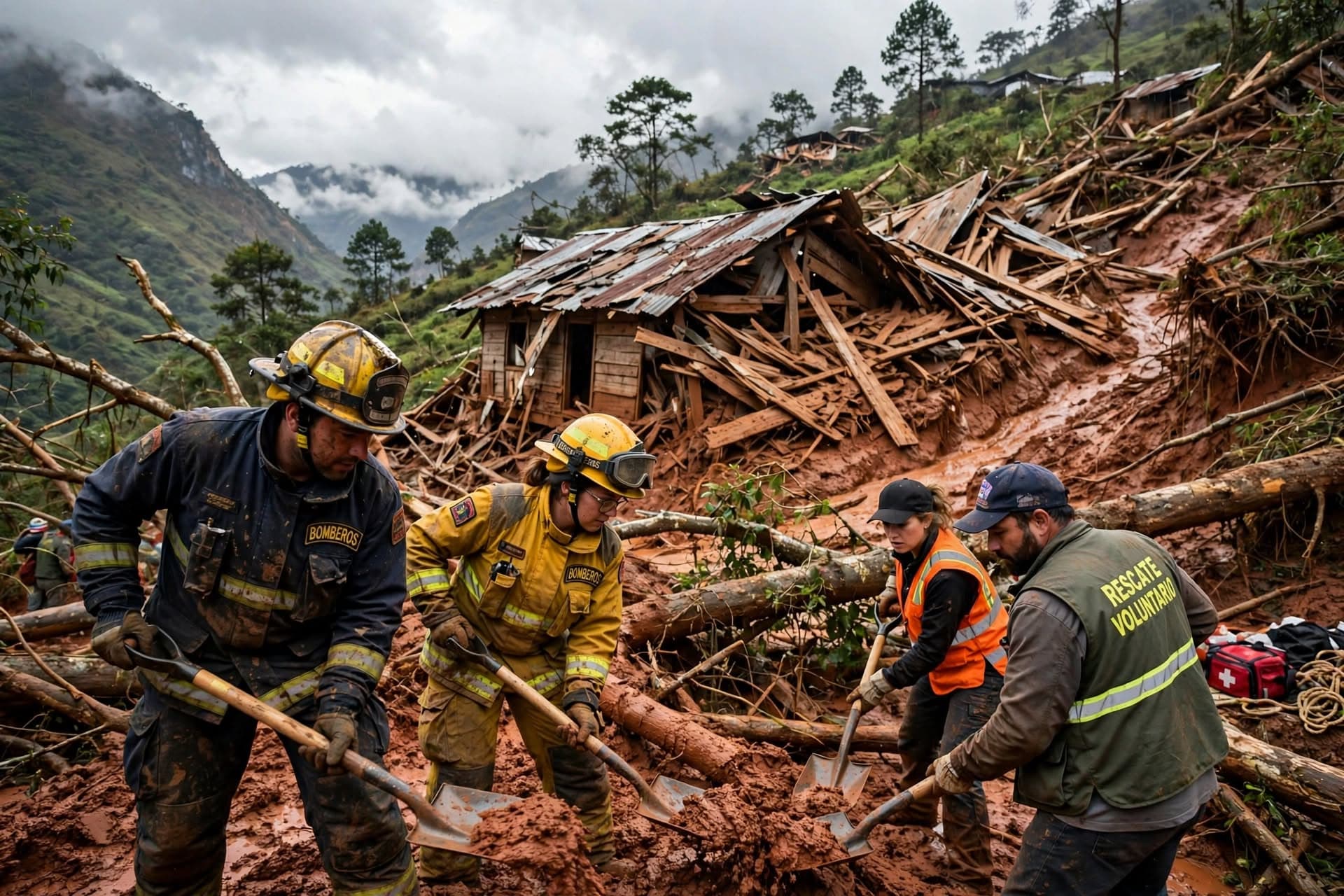
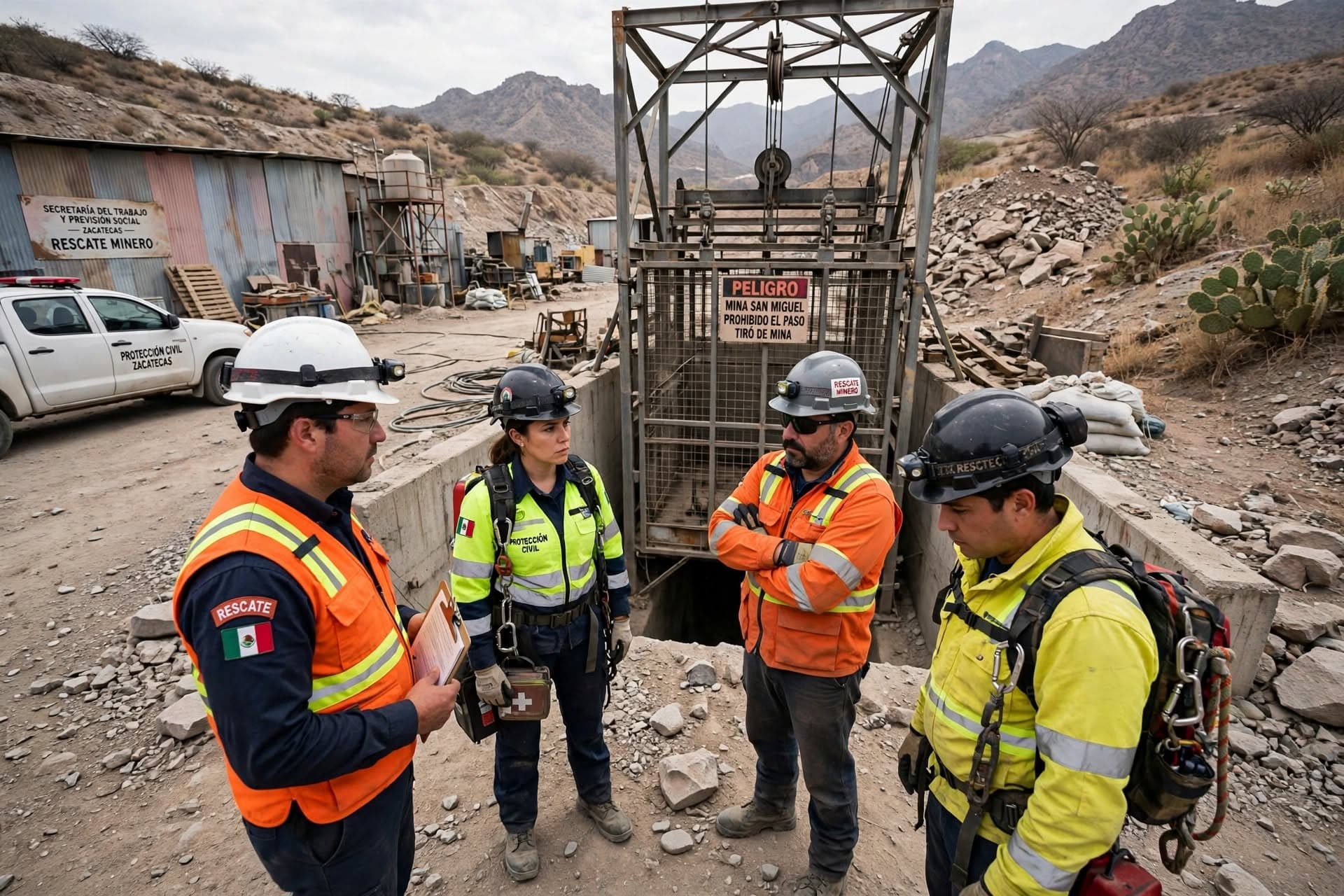
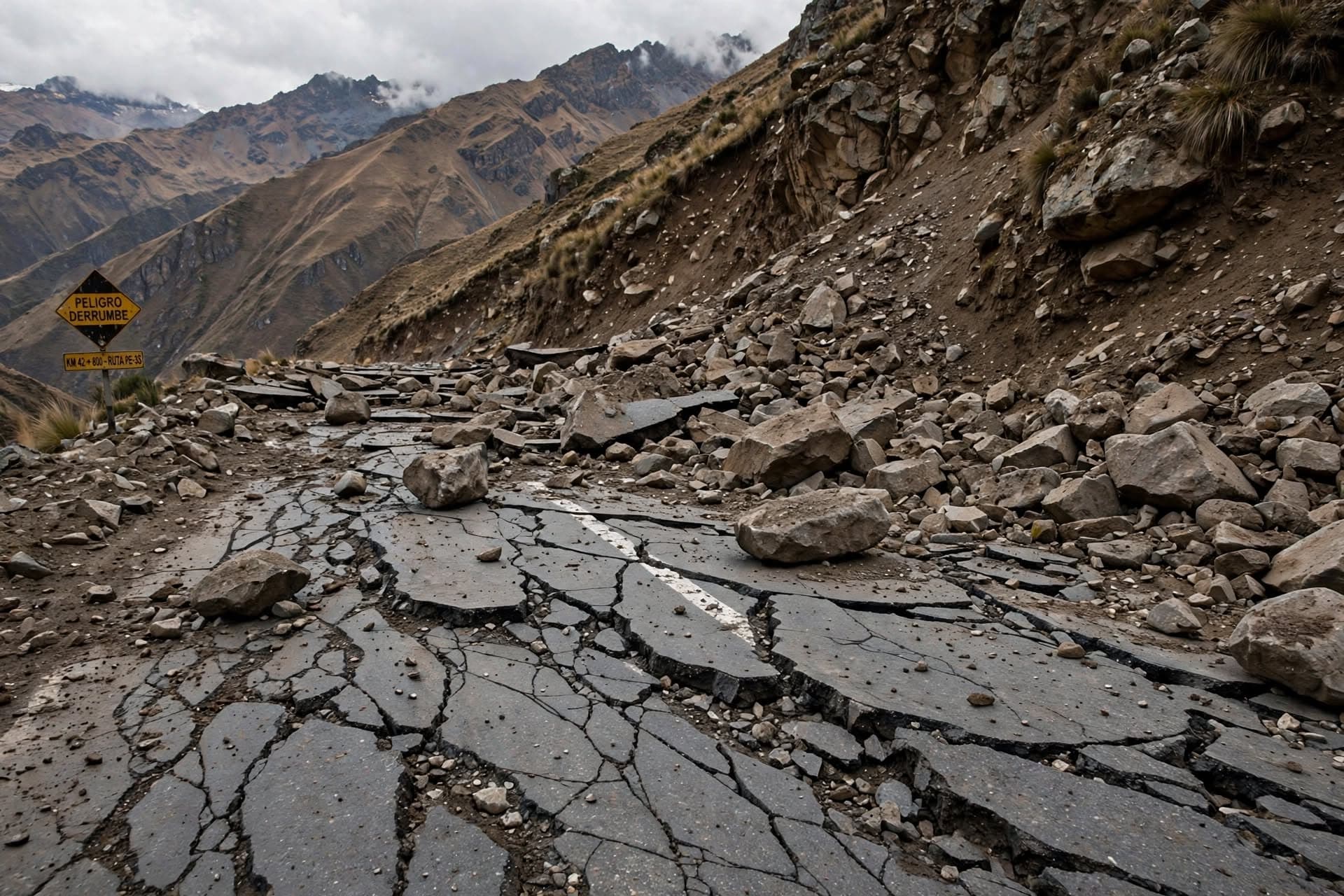
Search and rescue teams, accompanied by sniffer dogs, were dispatched to the affected areas to ensure that no individuals remained trapped under the rubble. The earthquake also triggered landslides, which deposited large boulders across mountain roads, isolating several remote farming communities. State highway patrols established checkpoints to prevent civilian vehicles from entering hazardous areas prone to further rockfalls.
In the immediate aftermath of the quake, power outages affected several inland municipalities, disrupting municipal water pumping stations and local telecommunications. Technical crews from private energy companies were mobilized to restore power and assess damage to substations. Seismological institutes reported multiple moderate aftershocks throughout the morning, prompting regional disaster management agencies to advise residents to stay in open areas away from damaged buildings.
National civil defense officials responded swiftly by dispatching trucks loaded with temporary shelter kits, blankets, and food rations to the impacted rural sectors. Engineering teams began inspecting public schools and municipal buildings to evaluate their structural integrity before allowing occupants to return. Relief crews remained active in the affected districts, clearing debris from blocked roadways and monitoring hillside stability as aftershocks continued to rattle the region.
The government has pledged to provide ongoing support to those affected by the disaster, emphasizing the importance of community resilience in the face of such natural calamities. As recovery efforts continue, officials are urging residents to remain vigilant and prepared for potential aftershocks in the coming days.
Published by Banx Network. This article is part of the Banx decentralized media programme, powered by the BXE token on the XRP Ledger.