
Key Highlights
- Foreign Components:Ukraine identifies 35,000 foreign-made parts in Russian missiles and drones.
- Attack Details:The strike involved hundreds of drones and dozens of missiles targeting Kyiv.
- Call for Action:Ukraine urges stronger export controls and coordinated international responses.
Ukraine's presidential commissioner for sanctions policy, Vladyslav Vlasiuk, has revealed that the missiles and drones used in Russia's recent large-scale overnight attack on Kyiv contained a staggering number of foreign-made components. This revelation comes as part of Ukraine's ongoing efforts to document and respond to the military capabilities of Russia, particularly in light of the ongoing conflict.
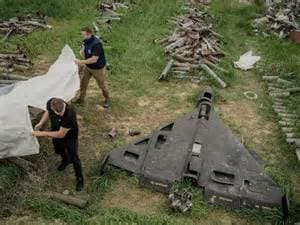
In the attack, which involved hundreds of drones and dozens of missiles, investigators identified approximately 35,000 foreign-manufactured components embedded within the weaponry. Vlasiuk emphasized that these components included dual-use and civilian products that were procured through intermediary networks before being integrated into Russian military production facilities. This highlights the complex supply chains that enable Russia to sustain its military operations despite international sanctions.
Among the companies mentioned by Vlasiuk are various global electronics and semiconductor manufacturers, with some of the components traced back to firms in countries such as China. The presence of such a significant number of foreign components raises critical questions about the effectiveness of current export controls and the responsibilities of manufacturers in monitoring their supply chains. Vlasiuk argued that the repeated discovery of tens of thousands of foreign components in Russian weapons should prompt governments and manufacturers to reassess their export policies and distribution channels, particularly concerning high-risk customers.
Ukraine has consistently shared information regarding the origins of these components with its international partners. However, Vlasiuk expressed frustration over the lack of decisive action in response to these findings. He called for a more robust and coordinated international effort to limit Russia's access to critical technologies that bolster its military capabilities. The ongoing conflict has underscored the importance of addressing the flow of technology and components that can be repurposed for military use.
As the situation evolves, the implications of these findings could extend beyond immediate military concerns. They may influence international trade policies and the regulatory landscape surrounding technology exports. The need for a unified response to mitigate the risks associated with foreign components in military applications has never been more pressing, as Ukraine continues to face significant challenges in its defense against Russian aggression.
The identification of 35,000 foreign components in Russian missiles and drones not only highlights the complexities of modern warfare but also serves as a critical reminder of the interconnectedness of global supply chains. As nations grapple with the implications of these findings, the call for stronger export controls and more vigilant oversight of technology transfers will likely gain momentum in the international arena.
Published by Banx Network. This article is part of the Banx decentralized media programme, powered by the BXE token on the XRP Ledger.



