For several years, artificial intelligence has stood near the centre of investors' expectations for the next stage of economic growth. Companies have committed large sums to data centres, advanced chips, computing infrastructure, and new services. Yet markets move not only on promises of future productivity, but also on the cost of building it and the time required for investment to generate revenue.
On October 9, technology shares came under pressure as global investors weighed rising energy costs, elevated bond yields, and the scale of funding needed for AI development. Reuters reported that markets were experiencing another difficult week, with higher crude prices adding to inflation concerns and making the financial environment less comfortable for businesses dependent on large investments.
The pressure was visible across major technology companies and related investments. Investors were increasingly questioning whether projected returns would arrive quickly enough to justify the expense of building new computing capacity. Such concerns do not mean that demand for AI has disappeared. Rather, they suggest that enthusiasm for a technology may coexist with uncertainty about which businesses will ultimately turn that enthusiasm into sustainable profits.
The financial demands are substantial. Reuters reported that Morgan Stanley estimated AI infrastructure could require about US$1.5 trillion in external financing by 2028. That figure reflects the scale of the capital needed to expand computing facilities and supporting infrastructure. It also highlights how much the industry's next phase may depend on access to financing as well as technological progress.
Higher interest rates can complicate that process. When borrowing becomes more expensive, companies must consider whether expected earnings can justify the cost of debt and investment. Businesses building data centres or purchasing advanced chips may need to plan over several years, while investors often reassess risk much more quickly. The difference between those timelines can create volatility when market expectations change.
Energy prices add another layer of uncertainty. Data centres require significant electricity, while higher oil prices can raise transportation and production costs across the wider economy. Reuters reported that Brent crude rose above US$100 per barrel amid renewed supply concerns, contributing to fears that inflation could remain persistent. Higher operating costs may affect both technology companies and the consumers and businesses that buy their services.
The consequences are not limited to technology shares. If investors become more cautious about large capital projects, companies may delay expansions, reconsider financing plans, or demand clearer evidence of customer demand before committing additional funds. Suppliers of chips, cooling equipment, electricity infrastructure, and construction services may also feel the effects if investment plans are revised.
At the same time, it would be premature to interpret market declines as proof that AI's long-term economic value is fading. New technologies often require substantial spending before their benefits become widely visible. AI may improve productivity in areas such as software development, customer service, research, and industrial operations. The commercial question is how those gains will be distributed and whether the revenue they generate can support the cost of deployment.
For businesses adopting AI, the current environment offers a reason to measure outcomes carefully. Rather than investing solely because competitors are doing so, companies can examine whether a particular system saves time, improves service, reduces errors, or creates a product customers are willing to pay for. Clear goals and realistic timelines can help organizations distinguish useful innovation from expensive experimentation.
The market's next phase will depend on several moving parts: energy prices, borrowing costs, corporate earnings, and evidence that AI investments are delivering tangible results. Some projects may prove commercially successful, while others may require more time or fail to meet expectations. Investors are likely to reward clearer business models and reliable financial performance rather than growth promises alone.
The larger story is not the end of technological ambition, but a shift toward closer scrutiny. Artificial intelligence remains a powerful source of investment and experimentation, yet even transformative technology must operate within the ordinary realities of finance. Capital has a cost, infrastructure requires energy, and future growth must eventually meet the demands of present-day balance sheets.
### AI Image Disclaimer
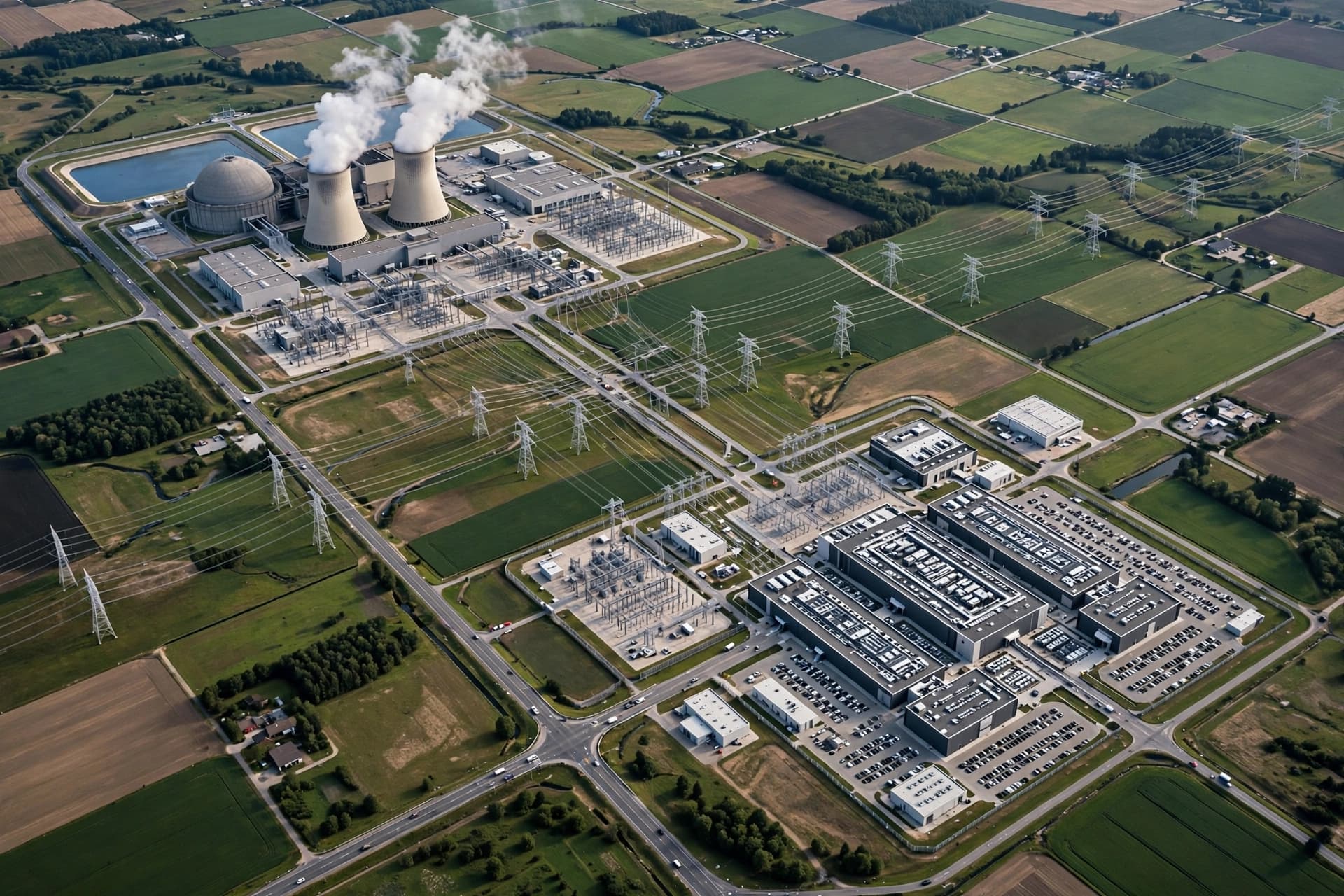
These AI-generated illustrations represent general global financial markets and AI infrastructure investment. They do not depict actual trading-floor events or specific companies’ financial results.
### Sources
Reuters Morgan Stanley OpenAI International Energy Agency
Published by Banx Network. This article is part of the Banx decentralized media programme, powered by the BXE token on the XRP Ledger.