The Business Times reported that Reflection introduced a new open-weight AI model. The release comes as technology companies compete to build systems that can reason through tasks, support software development and serve as foundations for specialized applications.
Open-weight models can give developers more flexibility than services available only through a hosted interface. Depending on the licence and technical requirements, organizations may be able to run a model within their own infrastructure, customize its behavior or integrate it into products designed for particular industries.
That flexibility can matter for businesses with specific security, privacy or performance needs. A company may prefer to control where its data is processed, or it may want to adapt a model to its own workflows instead of relying entirely on a general-purpose service.
However, open weights do not automatically mean that every part of a system is open. Training data, development methods, software components and usage conditions may remain restricted or unavailable. Developers need to review the licence and documentation before deciding how a model can be used.
Performance is another consideration. A model's practical value depends not only on benchmark results but also on how reliably it handles real tasks, how much computing power it requires and how easily it can be deployed.
The costs of running advanced models can be significant. Organizations must consider hardware availability, energy consumption, maintenance and the expertise needed to manage a system. A model that performs well in a demonstration may still be difficult to operate economically at scale.
Reflection's connection to Nvidia is relevant because modern AI development depends heavily on specialized computing hardware. Powerful chips support model training and inference, while the availability and cost of that hardware can influence which companies are able to compete.
The broader market has become more crowded, with large technology companies, specialist startups and research organizations releasing models at a rapid pace. Developers now have a wider range of choices, but comparing them requires careful attention to capability, reliability, cost and licensing.
For businesses, this expanding selection may encourage experimentation and reduce dependence on a single provider. For model developers, it raises the challenge of demonstrating why their systems offer a meaningful advantage.
Reflection's latest release therefore represents another step in an evolving contest over how artificial intelligence will be built and distributed. The long-term significance will depend on how developers use the model and whether its capabilities translate into dependable applications.
AI Image Disclaimer
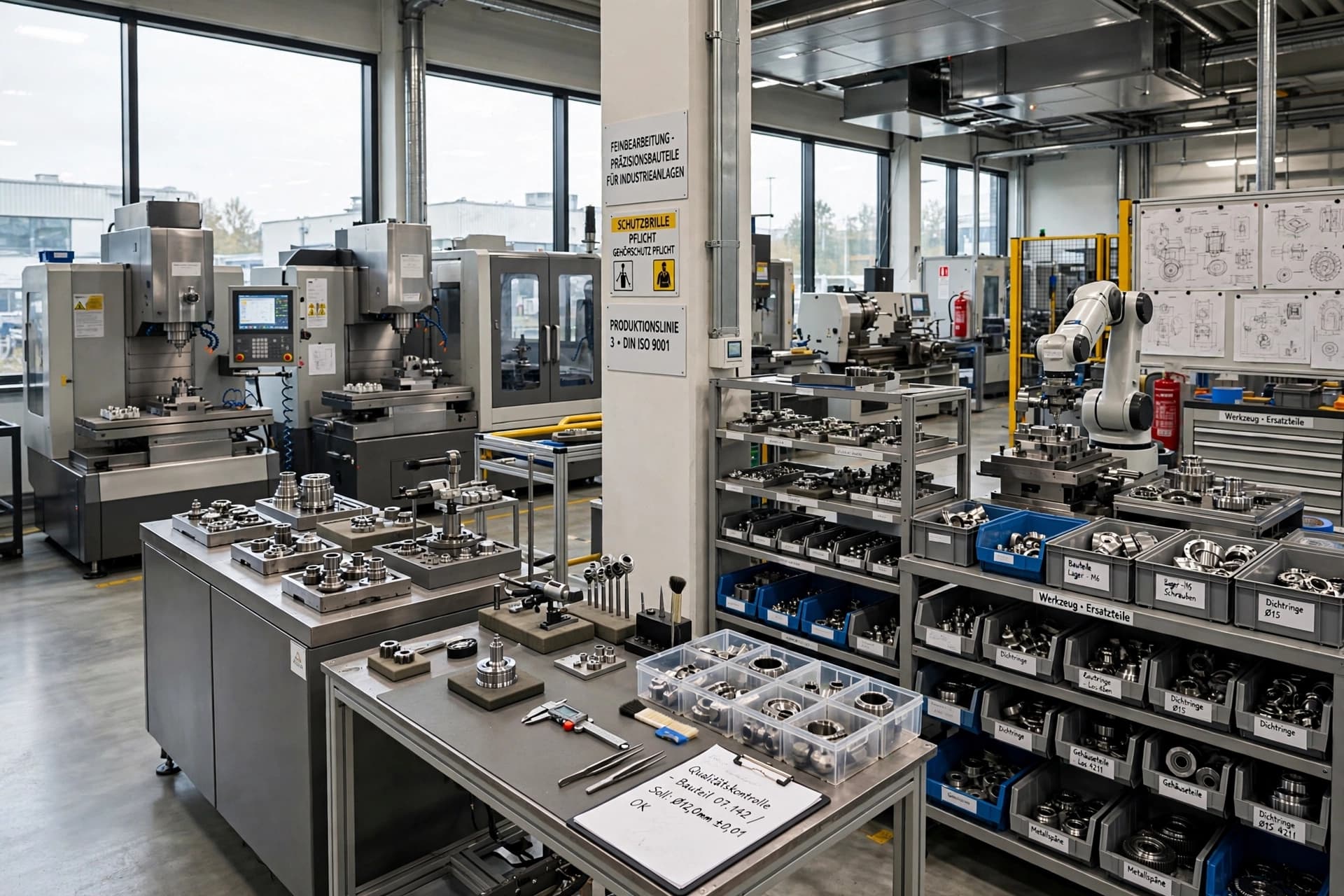
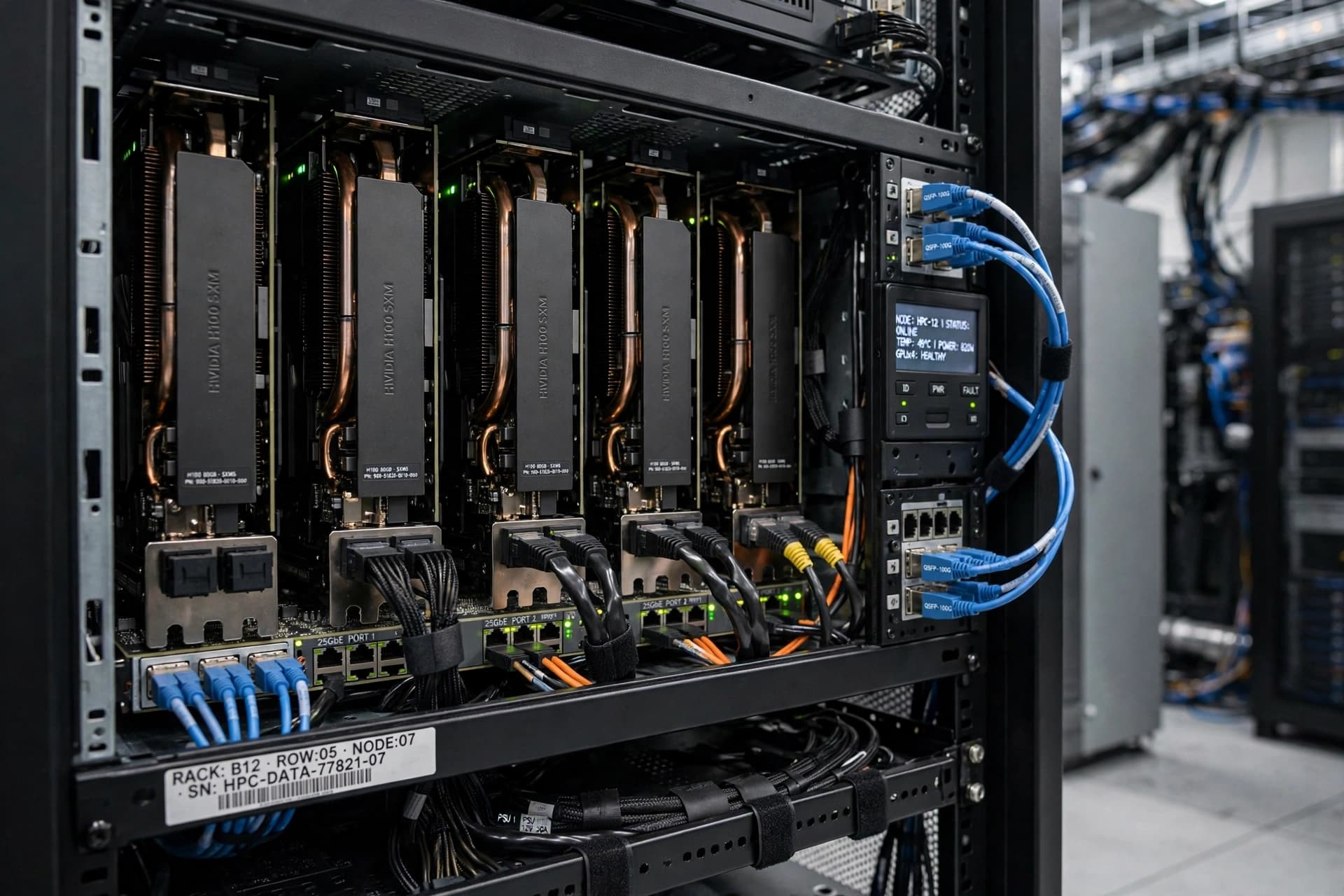
This AI-generated illustration is a conceptual depiction of AI research and does not represent Reflection's actual model interface or proprietary technology.
Sources
The Business Times Reflection AI Nvidia Reuters
Published by Banx Network. This article is part of the Banx decentralized media programme, powered by the BXE token on the XRP Ledger.