Cancer treatment often involves a difficult relationship with time. Patients may spend long periods traveling to appointments, preparing for procedures, and returning for repeated sessions. Clinicians, meanwhile, must work with extraordinary precision to direct treatment toward a target while protecting nearby healthy tissue. New medical technology seeks to improve that balance, making complex procedures more manageable without losing sight of the people who depend on them.
In early October 2026, Radiochirurgia Zagreb announced plans to install the Accela radiotherapy system, developed by Siemens Healthineers, at its specialist hospital in Zagreb. The announcement said installation was expected to begin in November, with the equipment intended to expand the hospital's capabilities in advanced radiotherapy and radiosurgery.
The system is built around NeoArc technology and is designed to support stereotactic radiation treatment, a method that delivers carefully targeted radiation to selected areas. One feature described by the hospital is the ability to perform treatment during a single breath-hold. The approach is intended to help manage movement associated with breathing while allowing certain complex procedures to be carried out more efficiently.
Breathing presents a particular challenge when clinicians treat tumors in areas such as the lungs or upper abdomen. As the body moves, a target can shift in relation to surrounding tissue. Treatment systems must account for that movement to help deliver radiation accurately. Breath-hold techniques are one method used in some treatment plans, although their suitability depends on the patient's condition, the location of the target, and the clinical judgment of the treating team.
The Accela system combines imaging capabilities with equipment designed to shape the radiation beam. According to the published description, its design includes an advanced multi-leaf collimator, which helps control the shape of the radiation delivered during treatment. These components are intended to support precise targeting and more efficient delivery of certain complex procedures.
The hospital said the new system was expected to make it the first medical institution in Europe to install Accela. It also described the investment as part of its broader effort to develop advanced oncology services during its tenth year of operation. The announcement reflected the hospital's plans at the time; the scheduled installation date should not be interpreted as confirmation that the equipment was already operational.
Introducing a new radiotherapy system involves more than delivering the equipment. Medical physicists and clinical teams must complete technical checks, establish treatment protocols, train staff, and verify that the system performs according to safety requirements. Patient selection and individualized planning remain central to treatment, because an advanced machine does not make every technique appropriate for every cancer.
The development also sits within Croatia's broader investment in cancer treatment infrastructure. In February 2026, the Croatian Ministry of Health reported the reopening of a renovated and expanded radiotherapy center at University Hospital Centre Zagreb. The project was valued at nearly €23 million and included new linear accelerators and related equipment. The ministry described the work as part of a wider national investment in radiotherapy capacity.
These investments address an important practical issue: patients need access to appropriate treatment without unnecessary delays. More modern equipment can help expand available techniques and improve workflow, but access also depends on staffing, referral systems, scheduling, maintenance, and the distribution of services across the country. Technology is one part of the wider system required to deliver effective cancer care.
For patients and families, the significance of new equipment lies not in its technical specifications alone but in the care it can support. Precision, shorter procedures in suitable cases, and reliable operation can all matter during an exhausting treatment journey. The benefits must be demonstrated in clinical practice, with treatment decisions guided by evidence and individual medical needs.
Radiochirurgia Zagreb announced in October 2026 that the Accela system was expected to arrive for installation beginning in November. The system is designed to support precision radiotherapy, including selected procedures performed during a single breath-hold. Its eventual clinical contribution will depend on commissioning, staff training, and the treatment plans appropriate for individual patients.
### Image Disclaimer
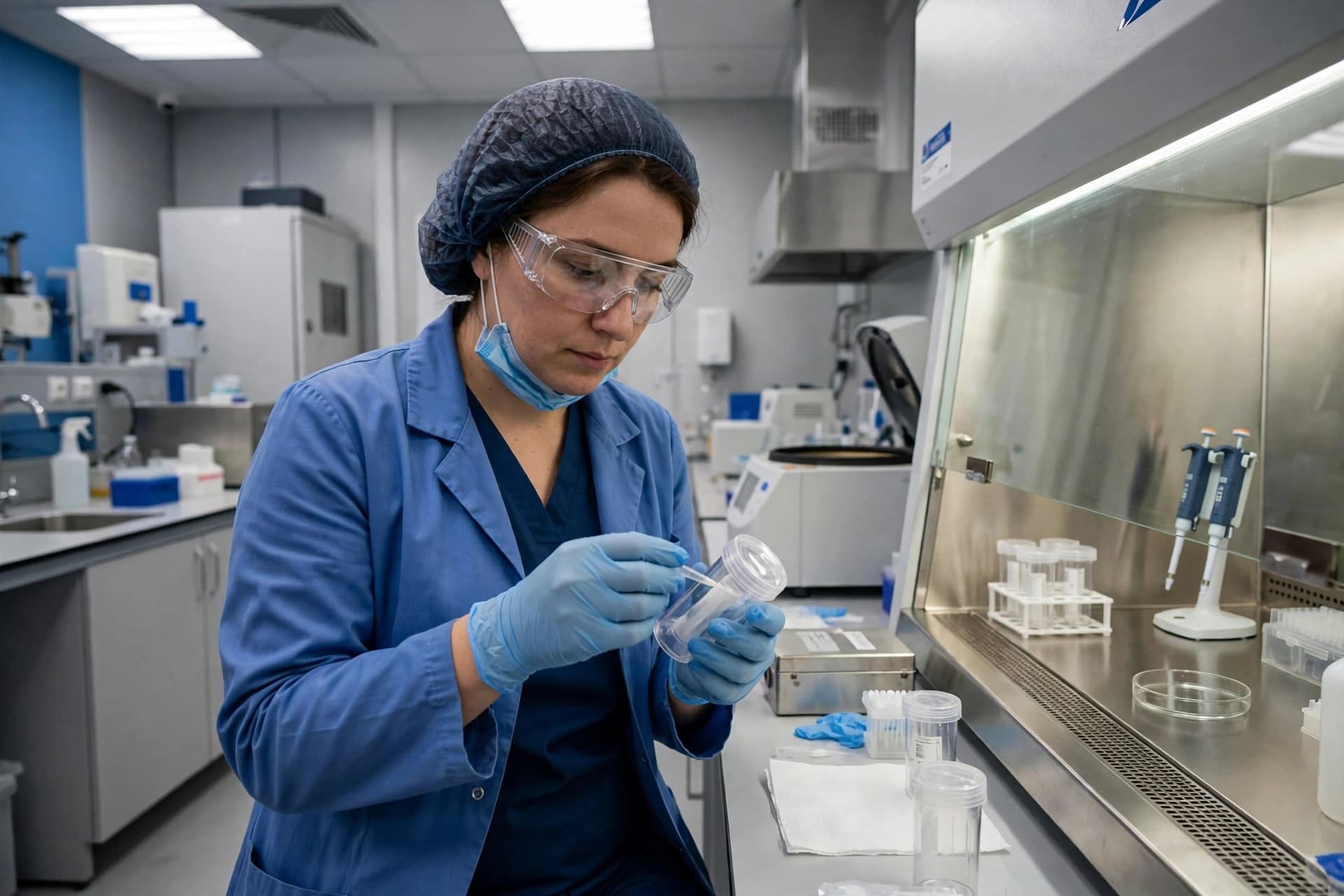
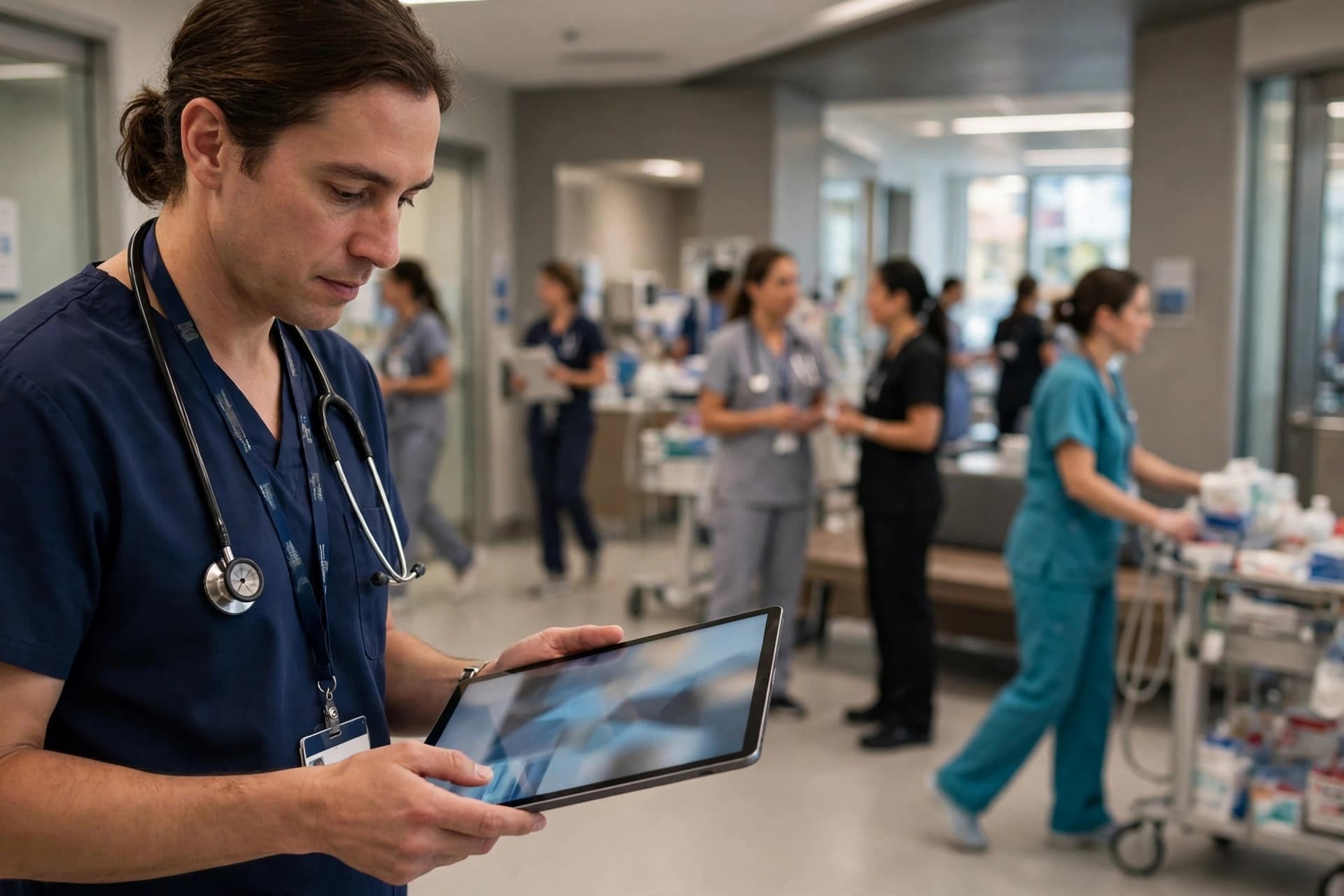
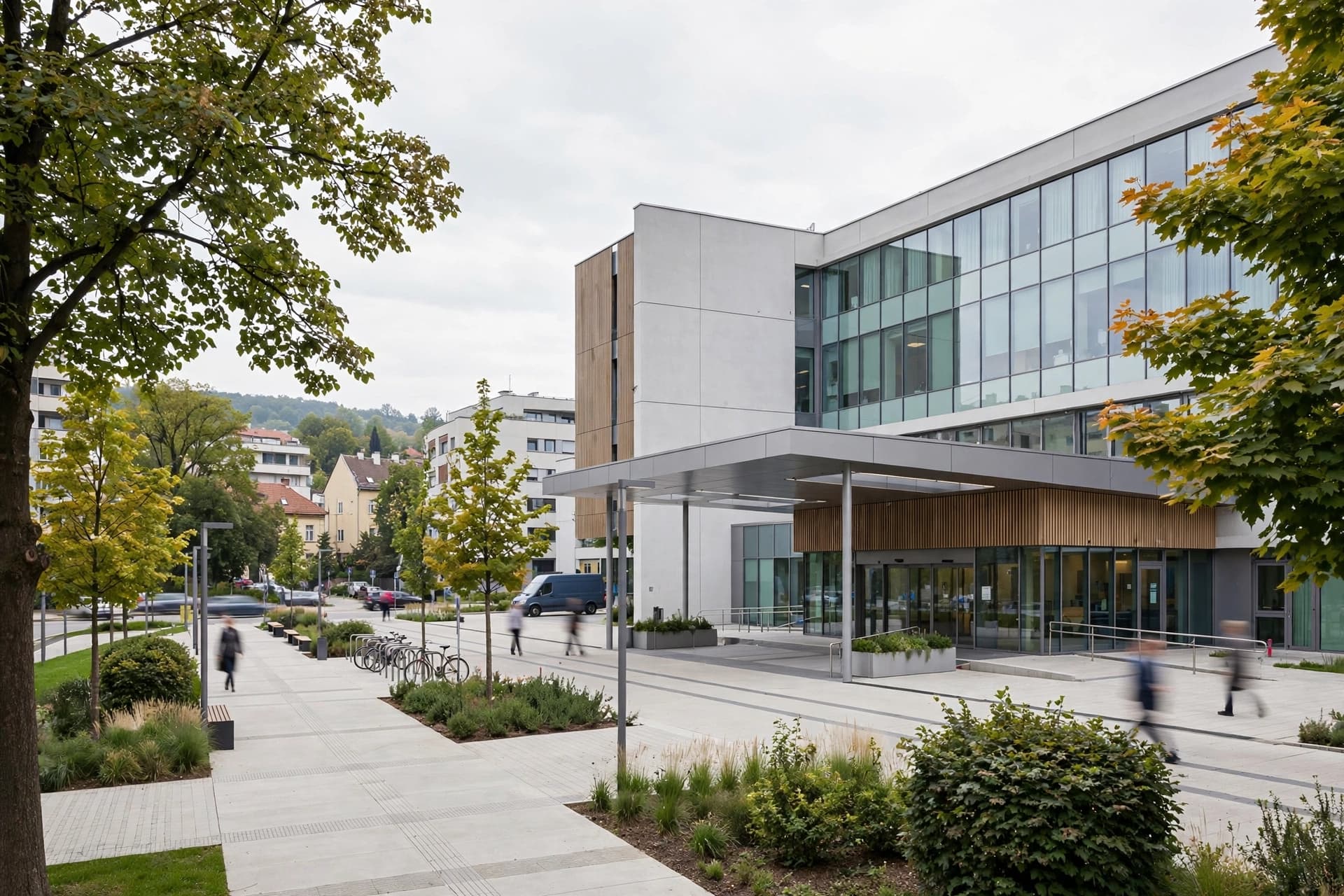
These AI-generated illustrations depict general radiotherapy technology and oncology care. They are not photographs of the Accela system installed at Radiochirurgia Zagreb and should not be interpreted as medical guidance.
### Sources
• Croatia Week
• Radiochirurgia Zagreb
• Siemens Healthineers
• Croatian Ministry of Health
Published by Banx Network. This article is part of the Banx decentralized media programme, powered by the BXE token on the XRP Ledger.