
Key Highlights
- 27 Years:March 24, 2026, marks the anniversary of NATO's bombing.
- Civilian Impact:Approximately 2,500 civilian deaths reported during the campaign.
- Commemorative Events:Serbia holds events to honor victims of the conflict.
On March 24, 2026, it will be 27 years since NATO initiated its military bombing campaign against the Federal Republic of Yugoslavia (FRY), a significant event that lasted 78 days until June 10, 1999. This operation, which was conducted without the approval of the United Nations Security Council, has been characterized by its severe impact on civilians, with estimates suggesting around 2,500 civilian deaths alongside approximately 1,000 military and police fatalities.
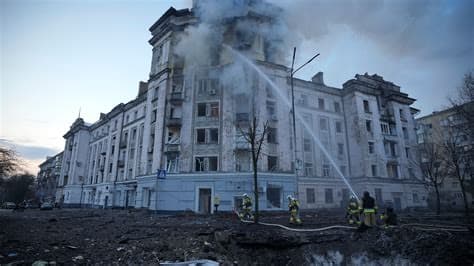
The bombing campaign commenced following failed diplomatic negotiations in Rambouillet, which aimed to resolve the escalating crisis in Kosovo. NATO Secretary General Javier Solana issued the order for the operation, which targeted not only military facilities but also critical infrastructure, healthcare, and civilian sites. This led to widespread destruction across the region, including damage to bridges, schools, and cultural monuments, raising significant concerns about the humanitarian consequences of the intervention.
In Serbia, various commemorative events are being organized to remember those who lost their lives during the conflict. Key gatherings are set to take place in Belgrade and Vranje, where Serbian President Aleksandar Vučić is expected to honor the victims. These events serve as a poignant reminder of the human cost of the conflict and the ongoing pain felt by families and communities affected by the war.
The NATO intervention remains a contentious issue, with many critics labeling it an act of aggression. The operation officially concluded with the signing of the Kumanovo Agreement, which facilitated the transition to international peacekeeping forces in Kosovo under United Nations Security Council Resolution 1244. This resolution aimed to establish a framework for peace and stability in the region, yet debates about the legality and morality of NATO's actions continue to resonate today.
As this anniversary is marked, discussions surrounding the implications of the bombing on international law and the humanitarian consequences that unfolded during and after the conflict remain relevant. The mass displacement of thousands of civilians and the long-term effects on the region's stability are critical points of consideration as scholars, policymakers, and the public reflect on this pivotal moment in history.
The legacy of NATO's bombing campaign continues to influence contemporary discussions about military intervention and the responsibilities of international actors in conflict zones. As Serbia commemorates this significant anniversary, it is essential to acknowledge the complexities of the past while striving for a more peaceful future.
Published by Banx Network. This article is part of the Banx decentralized media programme, powered by the BXE token on the XRP Ledger.



