The countdown is on. The financial world is standing at the edge of a transformation that will pull blockchain out of the shadows of speculation and into the bright lights of mainstream finance. By 2026, three crypto assets—XRP, HBAR, and ADA—could be at the very center of that shift.
This isn’t just another “crypto adoption” story. This is about regulation, compliance, and the direct integration of digital assets into the same rails that move trillions of dollars in global value every day.
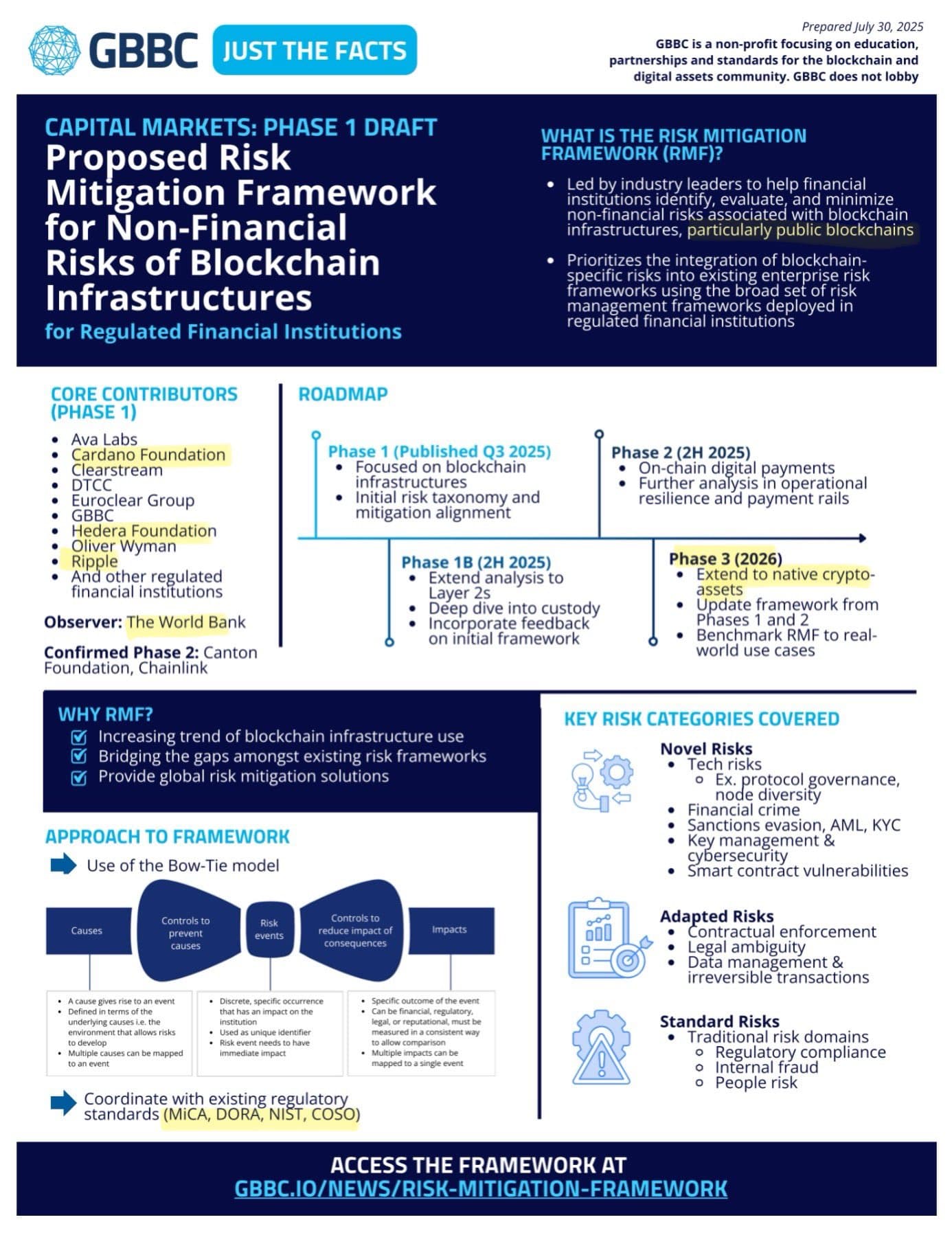
Phase 1: Building the Rails (2025)
Before you can run trains, you need tracks. That’s exactly what’s happening in 2025. The focus is squarely on blockchain infrastructure—creating the systems that can carry the weight of global finance.
This stage is about more than technology; it’s about building trust at scale. Security, resilience, compliance, and speed are being stress-tested. Global institutions don’t move unless the foundation is unshakable.
Phase 2: Turning on the Engines (2026)
By 2026, the story changes. Regulators and institutions won’t just be looking at the infrastructure—they’ll be scrutinizing the assets themselves. That’s when XRP, HBAR, and ADA step directly into the spotlight.
For the first time, these assets will face direct regulatory assessments, the same kind of oversight that traditional payment systems and banks have always been subject to. No shortcuts. No special treatment. The rules of traditional finance will apply to crypto—at least to the ones ready to meet them.
Why XRP, HBAR, and ADA?
Three words: ISO 20022 compliance.
This global standard defines how financial institutions communicate when they move money, settle securities, or clear cross-border transactions. Think of it as the universal “language of finance.”
Most cryptocurrencies were never designed with this in mind. But XRP, HBAR, and ADA are different. They’re already fluent in ISO 20022, which means they can plug directly into the world’s banking and payments systems without friction.
This makes them first in line for real-world financial adoption—while others remain stuck in translation.
The DTCC Factor: Institutional Green Lights
Signals from the top are impossible to ignore. The Depository Trust & Clearing Corporation (DTCC)—the backbone of U.S. securities clearing, processing trillions in trades every year—has already begun syncing with blockchain networks.
That kind of partnership is a flashing green light. It tells the market: this isn’t about crypto fighting banks anymore. It’s about crypto becoming the rails and fuel inside the existing system.
If networks like XRP, HBAR, and ADA are aligning with DTCC and similar global players, then their future isn’t hypothetical—it’s institutional.
Why It Matters for the Market
The shift has three massive implications:
For regulators: Crypto is no longer “wild west.” These assets will be measured against the same rules as traditional finance, putting an end to the regulatory gray zone.
For institutions: Blockchain is no longer experimental. It’s a cost-saving, efficiency-driving upgrade to the global financial machine.
For investors and the public: This is where crypto stops being a speculative bet and starts being part of the system that runs global commerce.
It’s not about replacing money. It’s about rewiring how money moves.
By 2026, the fate of XRP, HBAR, and ADA will be shaped by regulatory oversight and institutional integration. These aren’t just tokens competing for attention—they’re the assets being positioned to run side by side with global banking infrastructure.
This could be the year when the divide between “crypto” and “traditional finance” disappears. When digital assets stop being alternatives—and start being indispensable.
Published by Banx Network. This article is part of the Banx decentralized media programme, powered by the BXE token on the XRP Ledger.