
Key Highlights
- Taiwan is projected to become a super-aged society by 2025.
- Birth rates have reached their lowest levels in history.
- Government initiatives are being considered to address demographic challenges.
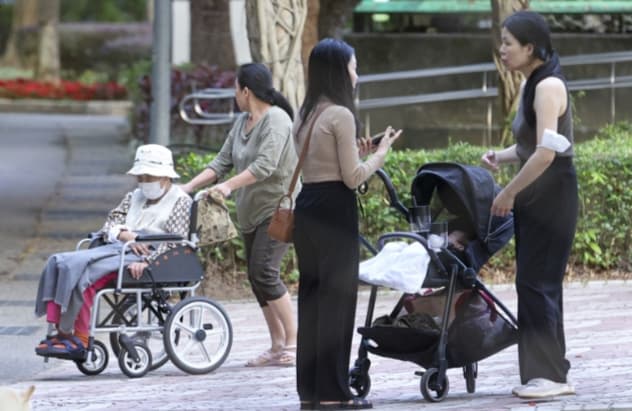
Taiwan is on the verge of becoming a super-aged society by 2025, as recent statistics reveal a significant decline in birth rates. The latest data indicates that the number of births has dropped to unprecedented levels, raising alarms about the potential economic and social ramifications of this demographic shift.
In 2025, projections suggest that the birth rate in Taiwan will fall below 7.5 births per 1,000 people, a stark contrast to the rates seen in previous decades. This decline can be attributed to various factors, including soaring living costs, evolving social norms, and an increasing number of young adults choosing to delay marriage and parenthood. The implications of this trend are profound, as Taiwan's aging population will soon outnumber its working-age individuals.
Experts warn that the rising ratio of seniors to the working-age population could place immense pressure on healthcare systems and social services. With fewer workers available to support a growing number of retirees, the potential for labor shortages looms large. "Taiwan is facing an impending crisis with this rapid demographic change. With fewer children being born, we risk encountering labor shortages that could hamper economic growth," noted Dr. Chen Wei, a demographic analyst at National Taiwan University.
In light of these challenges, the Taiwanese government is actively exploring policy measures aimed at encouraging higher birth rates. Proposed initiatives may include increasing parental leave, offering financial incentives for families, and enhancing childcare services. However, the effectiveness of these measures remains to be seen, as the cultural and societal factors influencing birth rates are complex and deeply rooted.
Community reactions to the government's efforts have been mixed. Some citizens express frustration over what they perceive as insufficient measures to address the scale of the issue. "It's not just about incentives; we need a cultural shift that supports family life and makes it easier to raise children," stated Lin Mei, a local activist advocating for family-friendly policies.
The demographic shift has sparked broader discussions about societal changes, including work-life balance and gender equality in parenting roles. As Taiwan transitions into a super-aged society, it faces the critical task of reimagining its workforce and ensuring that support systems are equipped to handle the aging population. The coming years will be pivotal in determining how Taiwan addresses these challenges as it navigates this significant transformative period.
As this demographic trend continues to evolve, it will undoubtedly shape Taiwan's future landscape, prompting urgent conversations about sustainability, economic resilience, and the value placed on family life within society. The government, communities, and individuals must work collaboratively to create an environment that supports families and encourages higher birth rates, ensuring a balanced and sustainable future for Taiwan.
Published by Banx Network. This article is part of the Banx decentralized media programme, powered by the BXE token on the XRP Ledger.



