On October 24, 2026, Indonesia reduced its pipeline natural gas exports to Singapore by approximately 31 million standard cubic feet per day. Indonesian authorities said the gas would be redirected toward domestic electricity needs, including demand in Batam, Bintan, and Sumatra. The decision became a regional energy story because the two neighboring countries are linked through established commercial gas arrangements.
Indonesia's energy minister, Bahlil Lahadalia, said the reduced supply remained above the minimum level required under existing contracts. In remarks reported by Reuters on October 26, he cited maintenance requirements and rising domestic demand as reasons for the change. The government has also emphasized its intention to ensure that domestic power generation receives adequate fuel.
For Singapore, the immediate question has been whether the reduction would threaten the stability of electricity supplies. The Energy Market Authority said the reduction amounted to less than 2 percent of the country's daily gas demand. It also indicated that contingency arrangements and replacement supplies, including liquefied natural gas, were available to help manage the disruption.
Natural gas occupies a central position in Singapore's energy system. The country relies on it for most of its electricity generation, making dependable imports an important part of its economic infrastructure. Power is needed not only for homes and offices but also for manufacturing, digital services, transport systems, and the wider commercial activity that sustains the city-state.
Indonesia faces a different but related calculation. Its large geography and expanding domestic energy requirements create pressure to ensure that local power plants receive sufficient fuel. Recent electricity disruptions in parts of the Riau Islands have added urgency to discussions about energy reliability, although the causes and implications of individual outages must be considered separately from the gas export decision.
The situation also illustrates the practical importance of commercial agreements. Singapore's Energy, Trade and Industry Minister Tan See Leng said the country's gas importer would engage suppliers to determine whether contractual obligations had been breached and pursue available remedies if necessary. At the same time, officials reassured the public that alternative supplies were available to meet demand.
Energy markets are rarely shaped by a single pipeline. Liquefied natural gas shipments, international prices, storage arrangements, and the availability of other suppliers can all influence how a country responds to a temporary reduction. Singapore's access to alternative sources offers flexibility, but replacement supplies may still be affected by global market conditions and the cost of transporting fuel.
The longer-term question extends beyond the immediate reduction. Existing supply contracts eventually expire, while both countries must plan for changing electricity demand, industrial development, and investment in new energy infrastructure. Indonesia's effort to strengthen domestic supply and Singapore's interest in diversified imports are not necessarily incompatible, but they require careful planning and dependable communication.
As of October 26, Indonesian officials maintained that the reduced deliveries remained within contractual minimums, while Singapore's authorities said the country had sufficient replacement supplies. The two governments' handling of the arrangement will help determine how the immediate adjustment affects commercial relations and regional energy planning.
### Image Disclaimer
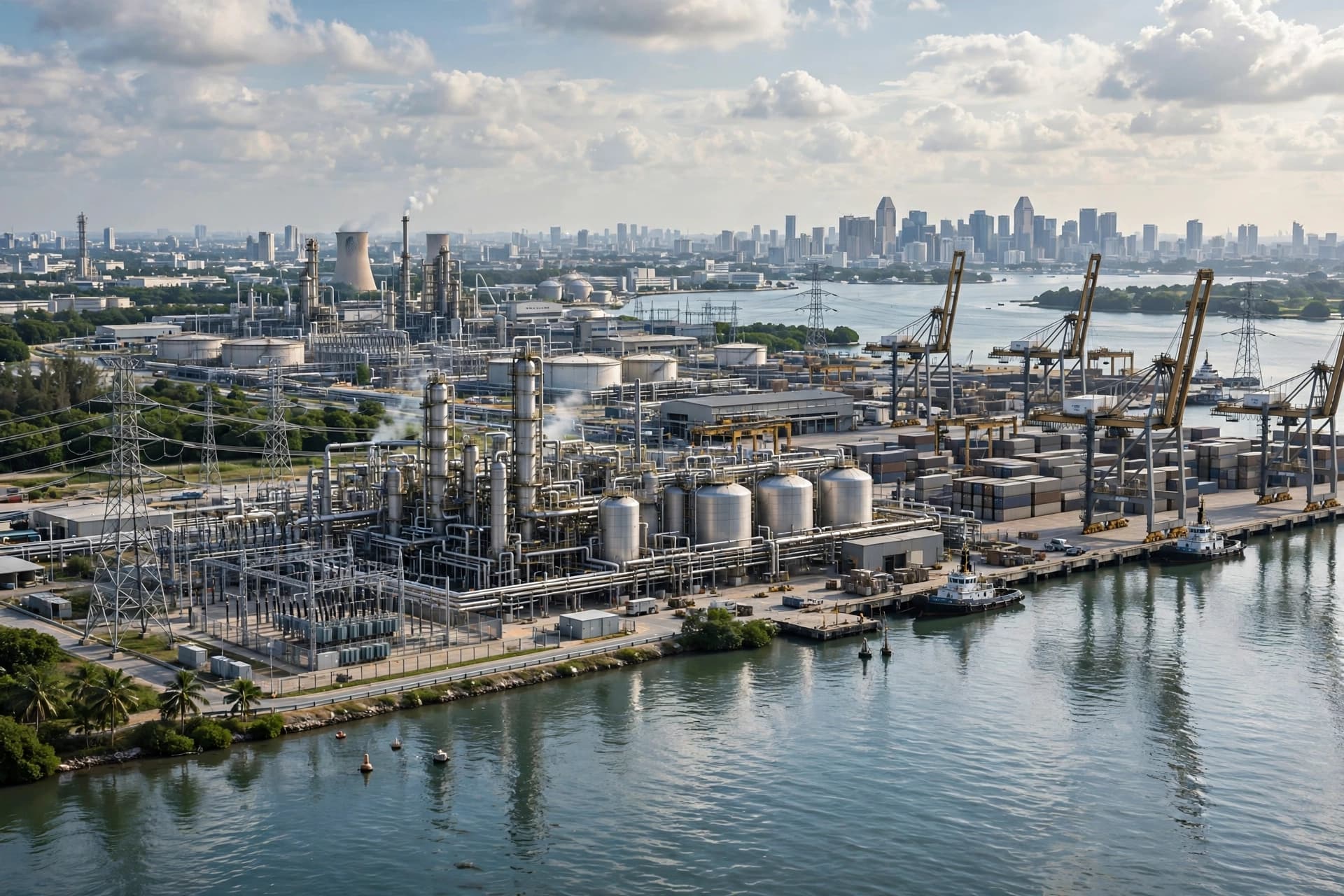
The illustrations are AI-generated visual interpretations of energy infrastructure and do not depict actual facilities or events involving Indonesia and Singapore.
### Sources
• Reuters
• Channel NewsAsia
• The Business Times
• The Straits Times
• ANTARA News
Published by Banx Network. This article is part of the Banx decentralized media programme, powered by the BXE token on the XRP Ledger.