Technology exhibitions are places where the future is presented in manageable pieces: a demonstration on a screen, a machine responding to a sound, or a software system sorting information in seconds. Each display offers a glimpse of what may become possible, but its real significance lies beyond the exhibition floor. The harder question is whether a promising demonstration can solve a practical problem reliably, affordably, and at scale.
That question was central to CEATEC 2026, an international technology exhibition that opened at Makuhari Messe in Chiba, Japan, on October 13. The four-day event brought together 821 companies and organizations from Japan and overseas. Its displays included artificial intelligence, digital infrastructure, industrial systems, and other emerging technologies intended to address challenges faced by businesses and society.
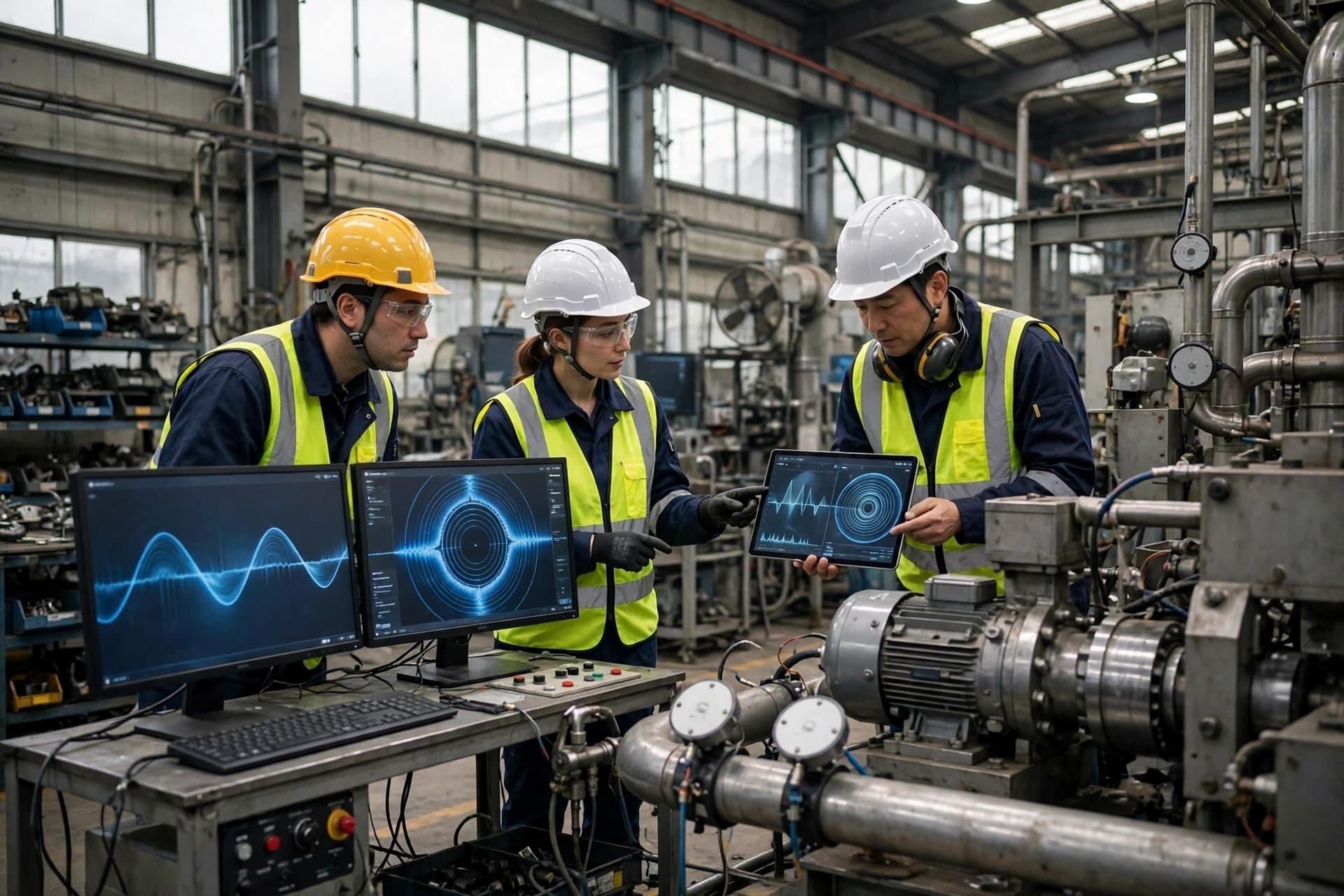
Among the demonstrations was technology from Mitsubishi Electric designed to identify abnormal sounds and human voices in noisy manufacturing environments. Such systems could help industrial operators detect unusual conditions or locate relevant sounds amid machinery noise. The usefulness of the technology depends on how accurately it distinguishes meaningful signals from ordinary background activity, especially in settings where false alarms can interrupt production.
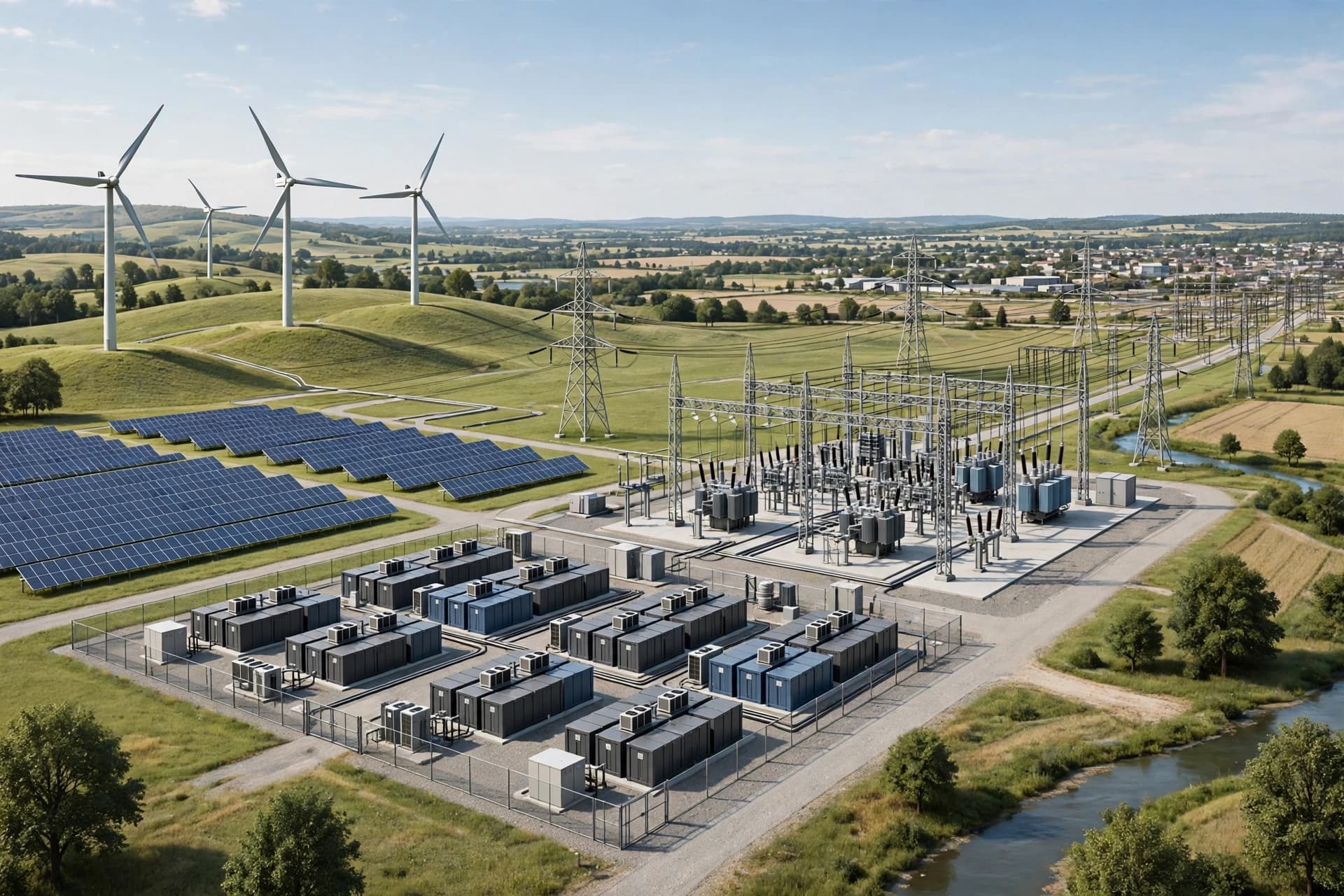
Hitachi presented work on using artificial intelligence to improve the operation of social infrastructure, including railway and power systems. These are complex environments in which equipment must function reliably and disruptions can affect large numbers of people. AI-assisted analysis may help operators identify patterns in operational data, anticipate maintenance needs, or improve the coordination of systems, although the details and performance of each application depend on its design and deployment.
NEC also showcased a service intended to help protect organizations against cyberattacks. Cybersecurity has become an increasingly important concern as businesses, public institutions, and essential services depend on connected digital systems. Automated analysis can help security teams identify suspicious activity, but it must operate alongside clear procedures, human judgment, and protections against mistakes or manipulated data.
The exhibition included a substantial international and startup presence. Organizers reported participation by 246 startup companies and universities, while 194 overseas firms and organizations from 31 countries and regions took part. The event expected more than 110,000 visitors, and its official website later reported a total of 112,373 registered visitors over the four-day exhibition.
That combination of established manufacturers, research institutions, and younger companies can create opportunities for collaboration. Large companies often bring industrial experience and established customer relationships, while startups may focus on narrower technical problems or new business models. Exhibitions can help these groups identify partners, although a meeting or demonstration does not necessarily lead to a commercial agreement.
The technology on display also reflects a shift in how AI is being used. Rather than focusing only on systems that generate text or answer questions, many organizations are exploring ways to connect AI with physical equipment and existing operational software. These applications may analyze factory sounds, help manage infrastructure, or support digital security. Their value depends on whether they improve measurable outcomes rather than simply introducing a new layer of complexity.
Implementation remains the difficult stage. Companies must evaluate reliability, cybersecurity, costs, workforce training, and how a new system will interact with older equipment. In infrastructure settings, the consequences of an error may be significant, so automated recommendations often require testing and oversight before being entrusted with critical decisions.
CEATEC's 2026 exhibition offered a broad view of these ambitions, from manufacturing and transportation to digital protection. Its displays illustrated the range of problems that companies hope AI can help address, while leaving the longer work of testing, integration, and commercial deployment to follow.
CEATEC 2026 took place at Makuhari Messe in Chiba from October 13 to 16. The event brought together 821 companies and organizations, and its organizers reported 112,373 registered visitors. Demonstrations included AI for manufacturing environments, infrastructure operations, and cybersecurity.
### Image Disclaimer
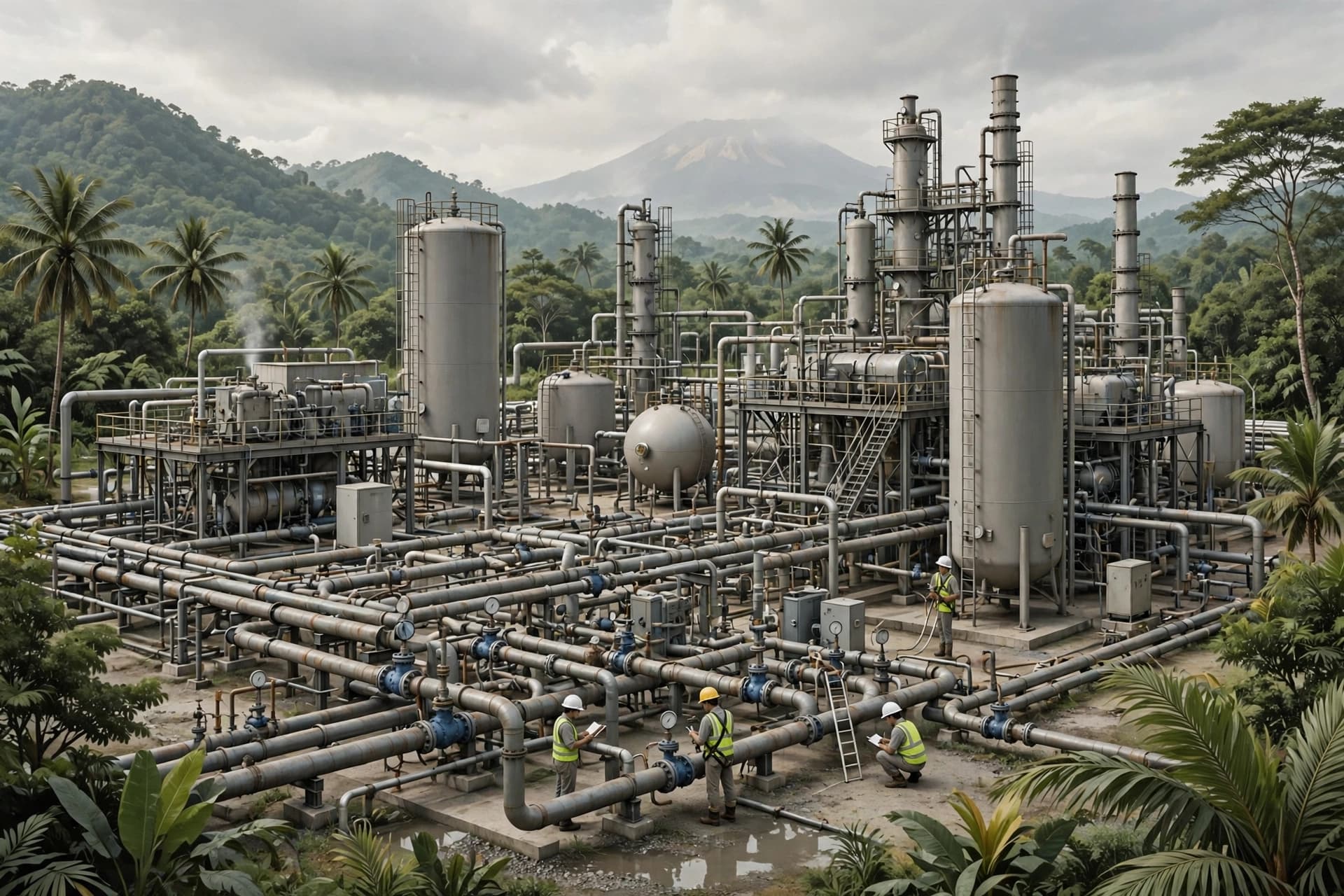
These AI-generated illustrations are conceptual depictions of technologies and exhibition environments. They do not reproduce actual CEATEC exhibition booths or claim to show specific products demonstrated at the event.
### Sources
• The Japan Times
• CEATEC 2026 official website
• Japan Electronics and Information Technology Industries Association
• Mitsubishi Electric
• Hitachi
Published by Banx Network. This article is part of the Banx decentralized media programme, powered by the BXE token on the XRP Ledger.