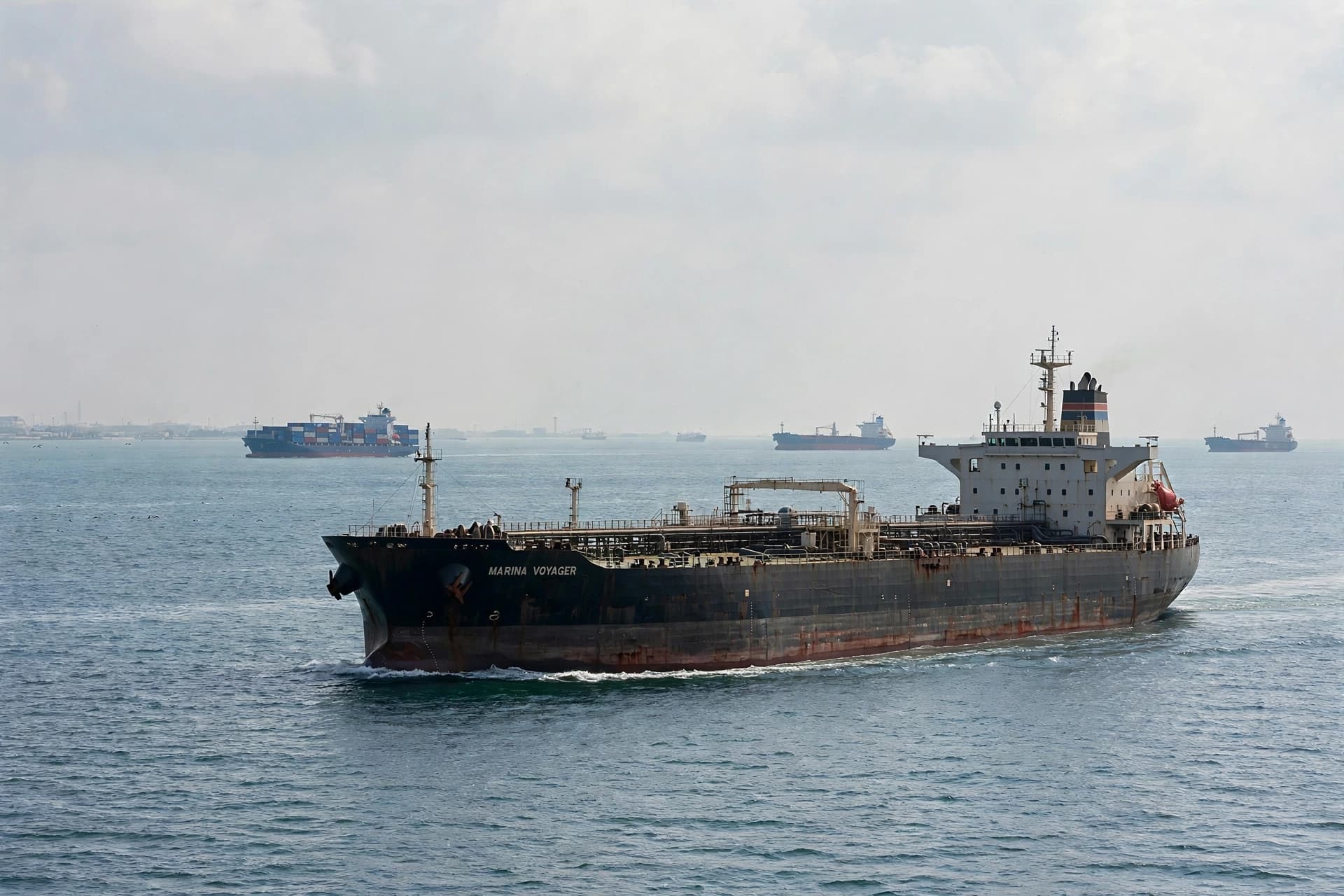
Al Jazeera has reported renewed attacks on ships in the region as oil exports recover from earlier disruptions. The developments illustrate the uncertainty facing commercial shipping through a corridor that remains central to international energy trade.
The strait connects the Persian Gulf with the Gulf of Oman and the wider Indian Ocean. A substantial volume of internationally traded oil and petroleum products passes through the waterway, making it particularly important to countries that rely on energy imports.
When a ship is attacked or a route becomes less predictable, the consequences can extend beyond the vessel itself. Shipowners, insurers, charterers and energy traders must reconsider the risks associated with moving cargo through the area.
Insurance premiums can rise, shipping schedules may change, and some operators may seek additional security arrangements. Even when vessels continue to sail, the increased cost of operating in a high-risk environment can affect the economics of transporting energy.
The recovery of exports does not necessarily mean that maritime conditions have returned to normal. Cargo movements depend on the availability of ships, the willingness of operators to enter the area, port operations and confidence that voyages can be completed safely.
Oil markets also respond to expectations. Traders consider not only how much oil is currently moving, but whether future shipments could be interrupted. The possibility of a prolonged disruption can influence prices even before a shortage becomes visible.
Alternative routes and export infrastructure can provide some flexibility, but they cannot always replace the capacity and efficiency of established maritime corridors. Pipelines, storage facilities and ports require significant investment and may have limited ability to handle sudden changes in demand.
For shipping companies, the immediate task is to assess risks voyage by voyage. For energy importers, the challenge is to maintain adequate supplies while preparing for possible delays or higher costs.
The Strait of Hormuz therefore remains a reminder of how closely energy markets depend on maritime security. A narrow passage can carry consequences across distant economies, influencing transportation costs, fuel prices and business expectations.
As exports recover, the central question is whether that recovery can continue amid renewed attacks and uncertainty. The answer will depend on developments at sea, the response of shipping operators and the wider security environment across the Gulf.
AI Image Disclaimer
This AI-generated illustration is a conceptual maritime scene and does not depict a specific ship attack or an identifiable vessel.
Sources
Al Jazeera Reuters International Energy Agency International Maritime Organization
Published by Banx Network. This article is part of the Banx decentralized media programme, powered by the BXE token on the XRP Ledger.