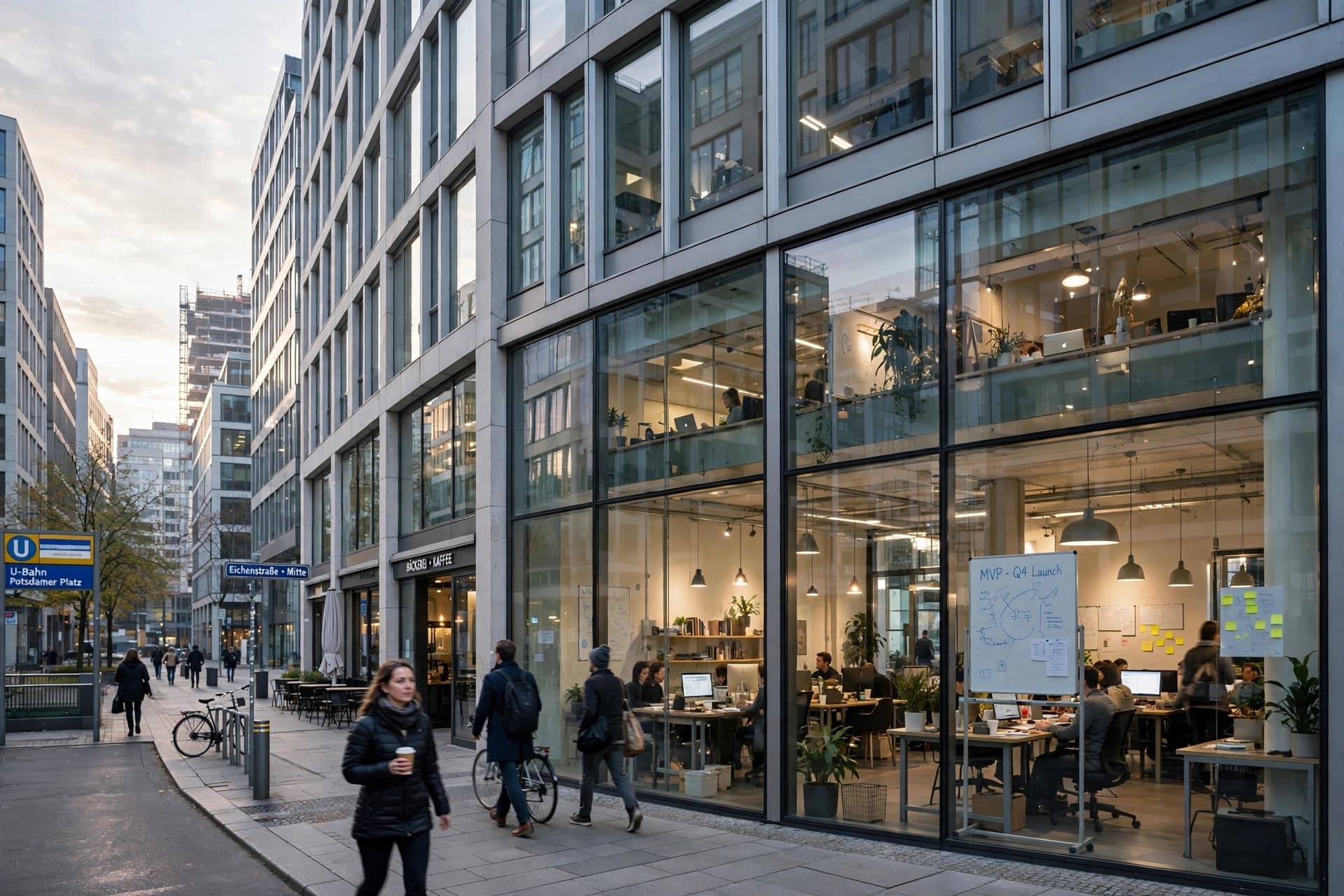
For a young company, an idea is only the beginning. Founders may understand a problem and develop a product to address it, but turning that product into a lasting business requires money, time, and the confidence of people willing to support an uncertain future. In Germany, recent venture-capital figures suggest that investors are showing renewed interest in the country's startup ecosystem.
German startups raised approximately €8 billion in venture capital between January and September 2026, according to figures cited by Reuters from the German Startup Association's Startup Monitor. The amount had already exceeded the total raised during the whole of 2025, marking a significant change in the funding environment for new businesses.
The fundraising picture is part of a wider expansion in entrepreneurship. More than 3,000 startups were established in Germany during the first nine months of the year, while ten companies reportedly reached so-called unicorn status, meaning valuations of at least $1 billion. The German Startup Association said the country had reached a record total of 39 unicorns.
Artificial intelligence has been an important part of the changing landscape. Businesses developing AI software, automation tools, and digital services have attracted attention as companies across different industries look for ways to improve productivity. The appeal extends beyond AI alone, however, with new ventures also emerging in areas such as healthcare and consumer products.
For investors, a startup can offer access to a market that may grow substantially if its technology or service succeeds. Venture capital also allows founders to hire specialists, develop products, test commercial demand, and expand into new markets. But the process involves risk: many young businesses operate without a long record of revenue, and their prospects may change quickly as competition develops.
The latest funding figures are therefore encouraging, but they do not mean every startup is receiving the same level of support. Capital tends to concentrate in companies that investors believe can grow rapidly. Businesses in less fashionable sectors, or those that require lengthy research and development, may still struggle to secure the financing needed to reach their next stage.
Germany's established industrial economy presents both opportunities and difficulties for founders. Manufacturers and other large businesses may become customers for startups offering automation, software, or specialized services. At the same time, entrepreneurs can face administrative demands, complex commercial relationships, and competition from companies operating in larger international markets.
Access to capital is also only one part of the challenge. A startup must eventually show that customers are willing to pay for its product and that the business can operate sustainably. Hiring too quickly, expanding before demand is established, or relying on repeated funding rounds can create pressure when investor sentiment changes. The strongest companies will need to balance ambition with the discipline of building a durable business.
The outlook for the rest of 2026 remains uncertain. The German Startup Association's figures indicated that, if the pace continued, the year's total venture investment could reach approximately €12 billion, potentially making it the country's second-strongest year for startup investment after the exceptional boom of 2021. That remains a projection, not a confirmed final result.
For Germany, the central question is what this capital will ultimately produce. Funding can give founders time to experiment and help promising companies expand, but its broader economic value depends on whether businesses create useful products, build lasting employment, and remain competitive beyond their early years. The €8 billion raised so far is an important milestone; the longer measure of success will emerge in the companies that endure after the initial excitement has passed.
### AI Image Disclaimer
The accompanying AI-generated illustrations represent general startup investment and entrepreneurship environments. They do not depict actual investment transactions, specific founders, or individual companies mentioned in the reporting.
### Sources
Reuters German Startup Association Startupdetector Germany Trade & Invest
Published by Banx Network. This article is part of the Banx decentralized media programme, powered by the BXE token on the XRP Ledger.