Britain's technology sector is therefore confronting questions about how the country can support AI development while maintaining reliable, affordable and sustainable energy supplies.
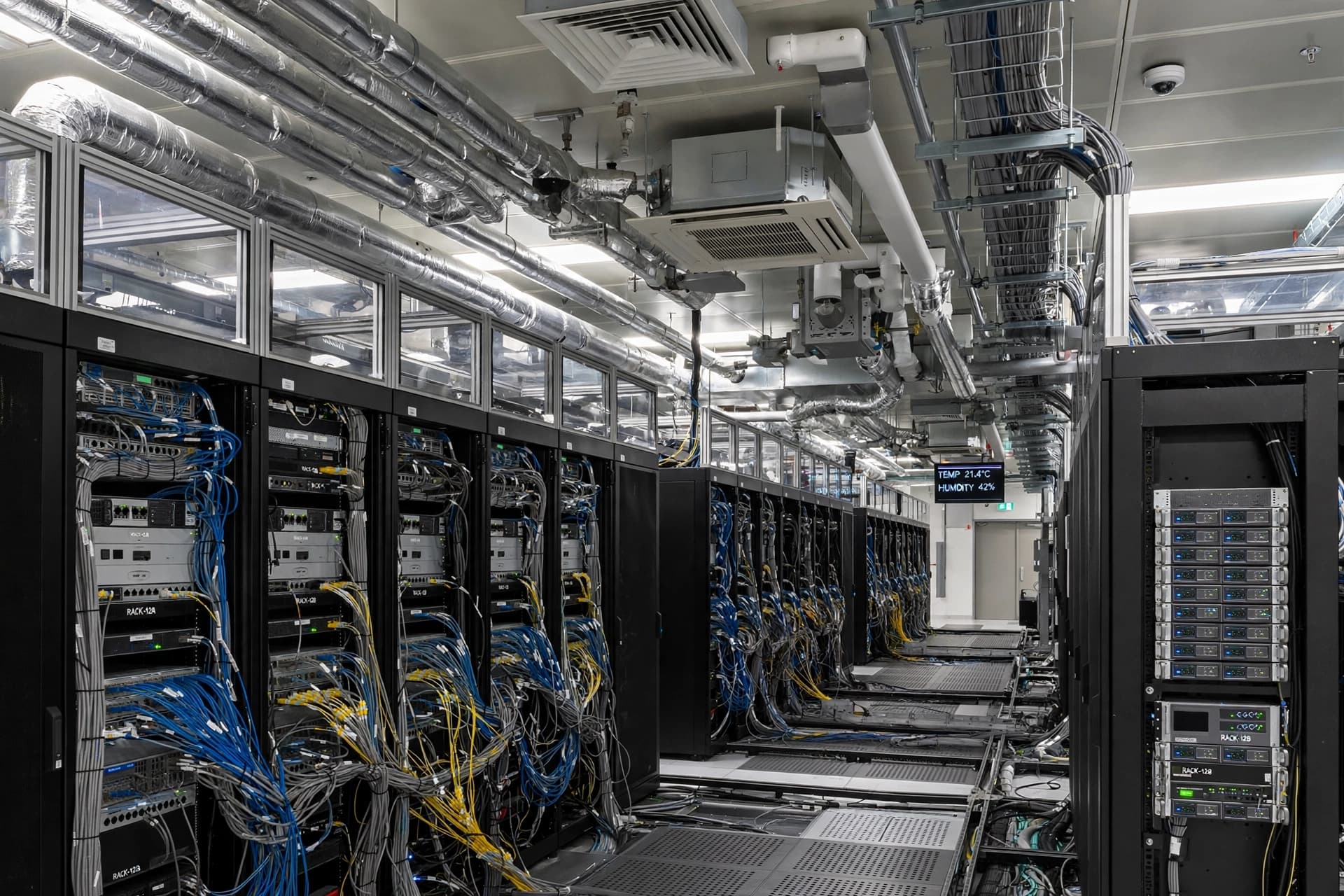
The pressure is visible in the growth of data centres, facilities that house the servers and networking equipment behind cloud computing and AI services. These buildings require electricity not only to operate their computing equipment but also to keep systems cool and functioning continuously.
The challenge is particularly relevant as companies compete to develop and deploy more powerful AI systems. Their investment decisions increasingly depend on access to suitable sites, reliable power connections and infrastructure capable of supporting intensive computing workloads.
The Guardian has recently highlighted concerns surrounding proposed data-centre development in Britain, including a plan in North Yorkshire that campaigners say could produce substantial emissions if it relies heavily on wood-burning power. The debate illustrates how digital expansion can intersect with energy policy and environmental questions.
For businesses, energy is becoming more than an operating expense. It can influence where a company builds its facilities, how quickly a project can begin and whether a planned expansion is economically viable.
Technology firms and energy providers are consequently exploring different ways to meet demand. These include improving energy efficiency, securing long-term electricity arrangements and considering how renewable and other low-carbon sources can support the growth of digital infrastructure.
Yet expanding supply takes time. New power generation, grid connections and transmission infrastructure require planning, investment and construction. A company may be ready to deploy new technology long before the surrounding electricity system can accommodate it.
There is also a question of competing priorities. Electricity is needed by households, hospitals, manufacturers, transport systems and other essential services. A growing AI industry must fit within this wider demand while avoiding unnecessary pressure on the energy system.
The economic opportunity remains considerable. AI tools could help companies improve productivity, automate routine tasks and develop new products. But those potential gains depend partly on the less visible infrastructure that allows digital services to operate reliably.
For Britain, the task is to connect its technology ambitions with practical energy planning. The next phase of AI growth may be shaped not only by software breakthroughs, but also by how effectively the country coordinates electricity, investment, infrastructure and environmental goals.
AI Image Disclaimer
This AI-generated illustration is conceptual and does not depict a specific British data centre, energy project or technology company.
Sources
The Guardian Financial Times UK Department for Energy Security and Net Zero National Grid
Published by Banx Network. This article is part of the Banx decentralized media programme, powered by the BXE token on the XRP Ledger.


.jpg&w=3840&q=75 "The Artemis Revolution: How NASA Plans to Build Humanity's Future on the Moon")