The prices seen on Britain’s shop shelves moved slightly more slowly in September, offering a modest change in the direction of retail inflation. Yet beneath that calmer figure, retailers continued to face higher operating costs that could influence prices in the months ahead.
The British Retail Consortium reported that annual shop price inflation eased to 1.4% in September from 1.5% in August. The survey covered prices collected between September 1 and September 7 and showed that both food and non-food inflation slowed during the month.
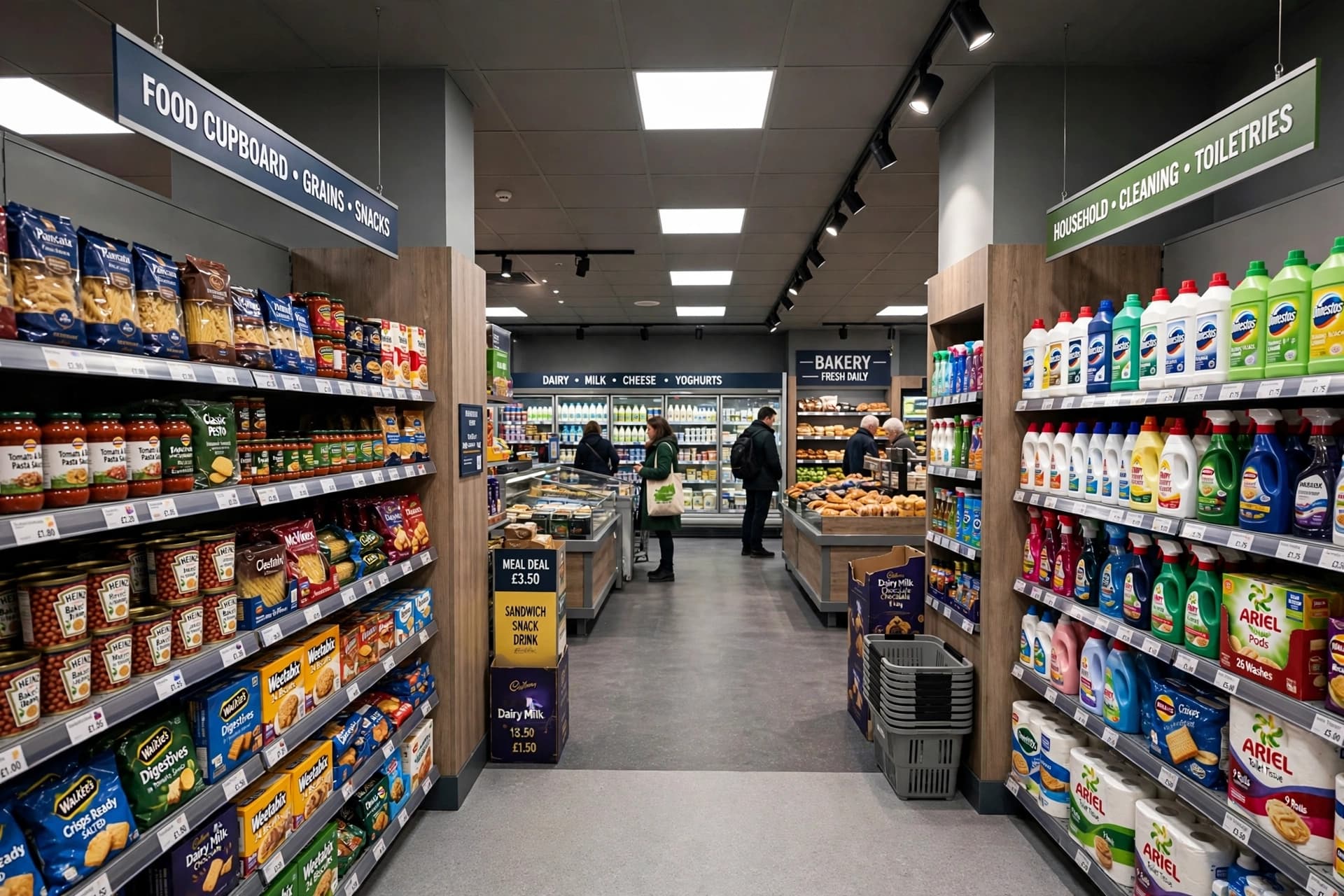
Food price inflation declined to 2.5% from 2.8% in August. Promotions helped lower prices for some meat and dairy products, while poor harvests in parts of Europe contributed to higher fruit prices. Commodity costs also remained elevated for products such as chocolate and confectionery.
Non-food inflation also eased, reaching 0.8% compared with 0.9% in August. Strong discounting on back-to-school products contributed to the decline, showing how competition between retailers can temporarily limit the extent to which higher business costs reach consumers.
The overall movement was therefore relatively modest. Retailers were still operating within an environment shaped by energy costs, employment expenses and packaging taxes. The British Retail Consortium said businesses had been absorbing successive increases in costs, while warning that their ability to continue doing so was not unlimited.
That tension creates a familiar challenge for retailers. Raising prices can protect margins when costs rise, but it can also affect consumer demand. Holding prices down can support sales but may leave businesses carrying more of the increase themselves.
The broader inflation picture also remained different from the shop-price measure. Britain’s official consumer price inflation rate reached 3.1% in August, covering a wider range of goods and services than the BRC index. The distinction matters because changes in supermarket and retail prices represent only one part of household spending.
Seasonal promotions also play a role in the monthly numbers. Back-to-school products, food discounts and competitive pricing can influence the prices recorded during a particular period. As those promotions change, retail inflation can move again even when underlying business costs remain elevated.
Retailers are also watching future costs. Higher business rates, employment expenses and energy bills could place additional pressure on companies as they move toward the end of the year and into 2027. The ability of businesses to absorb those increases will vary according to their size, sector and financial structure.
For consumers, the September figures provide a small moment of relief in the form of slower shop-price growth, but they do not mean that prices have returned to earlier levels. Inflation measures the pace at which prices change; a slowdown means prices are rising more slowly, not that they are broadly falling.
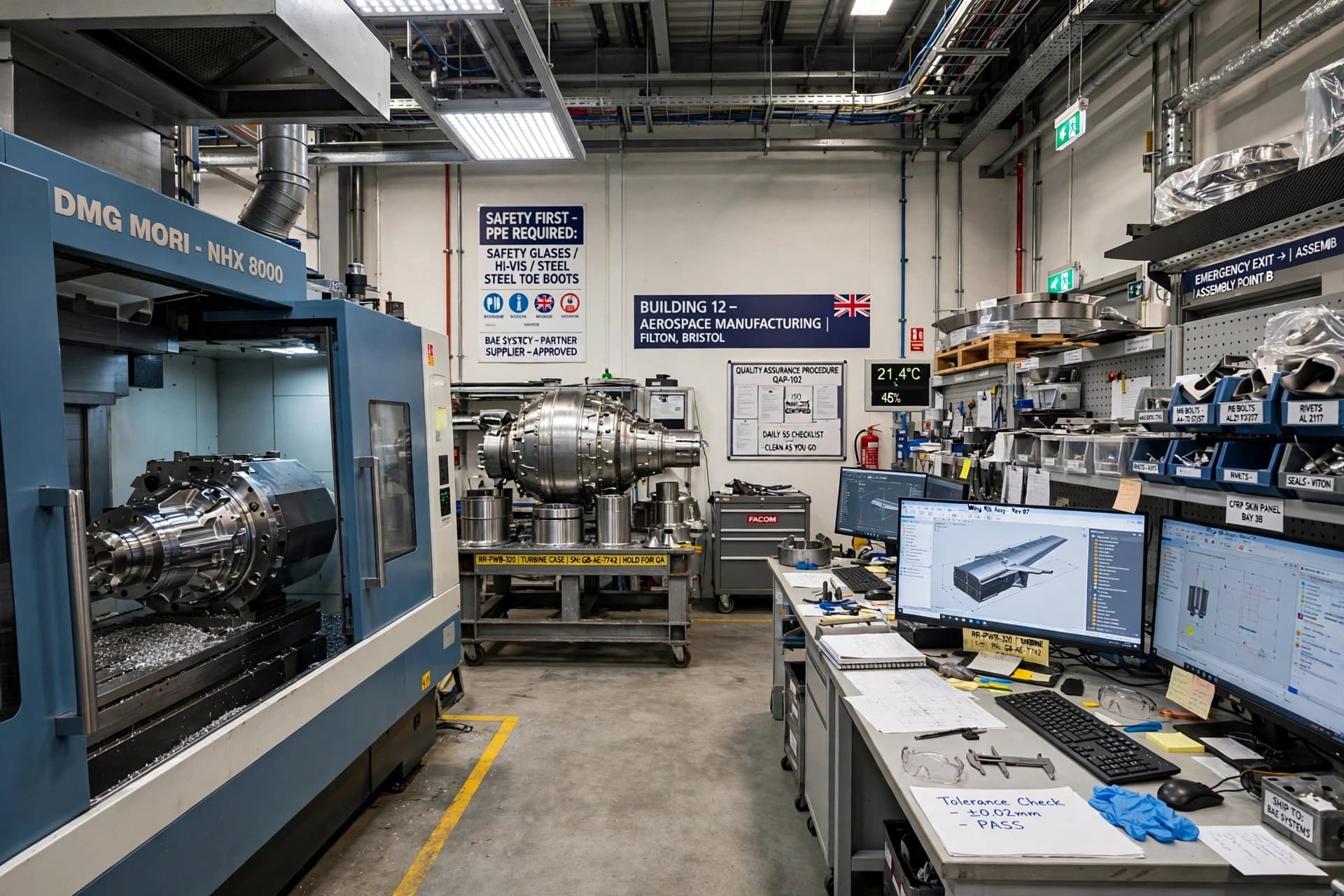
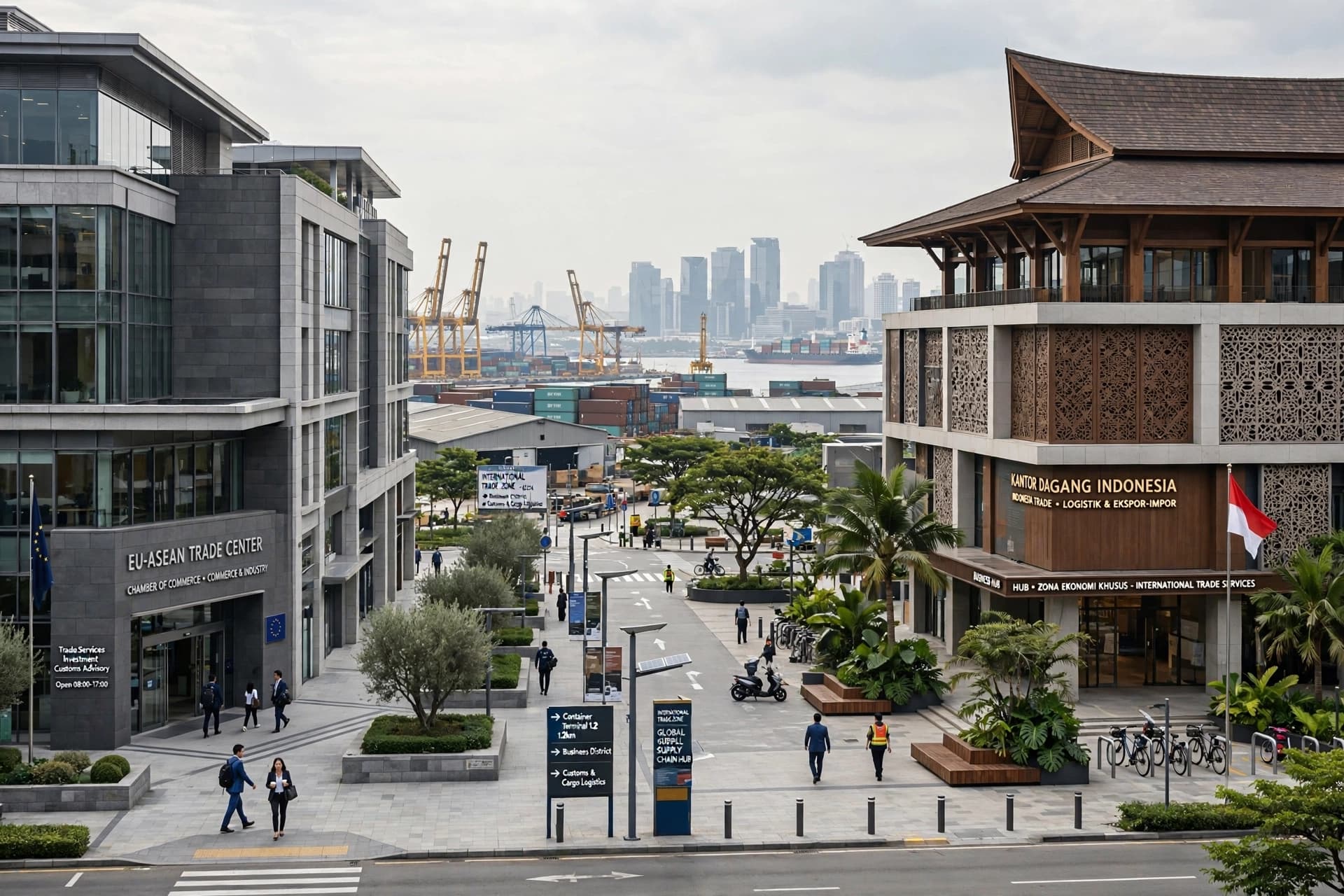
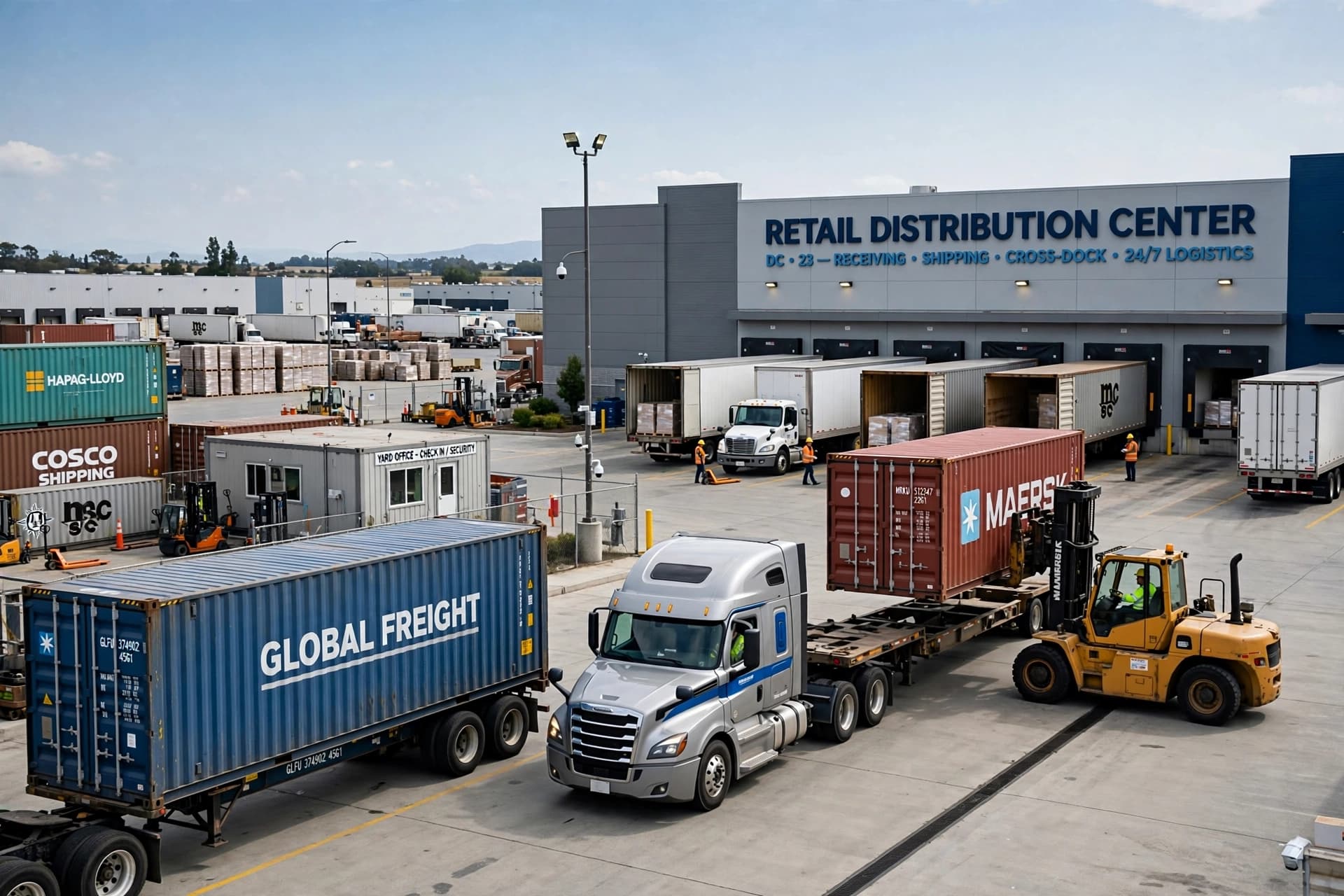
The retail landscape therefore remains one of careful adjustment. Behind every shelf price is a chain of costs involving energy, transportation, labor, materials and suppliers. When one part of that chain changes, the effect may eventually appear at the checkout.
As autumn begins, Britain’s retailers are navigating that narrow space between maintaining affordable prices and protecting their ability to operate. September offered evidence that shop-price inflation can slow even under pressure, but the costs behind the shelves remain part of the story still unfolding.
IMAGE DISCLAIMER
The illustrations are conceptual visualizations created for editorial presentation. They do not depict specific British stores, retailers or individual consumers.
SOURCES
Reuters — “UK shop price inflation slows despite costs pressures, BRC says,” September 29, 2026
British Retail Consortium — September 2026 Shop Price Index
The Times — UK shop price inflation coverage, September 2026
Published by Banx Network. This article is part of the Banx decentralized media programme, powered by the BXE token on the XRP Ledger.