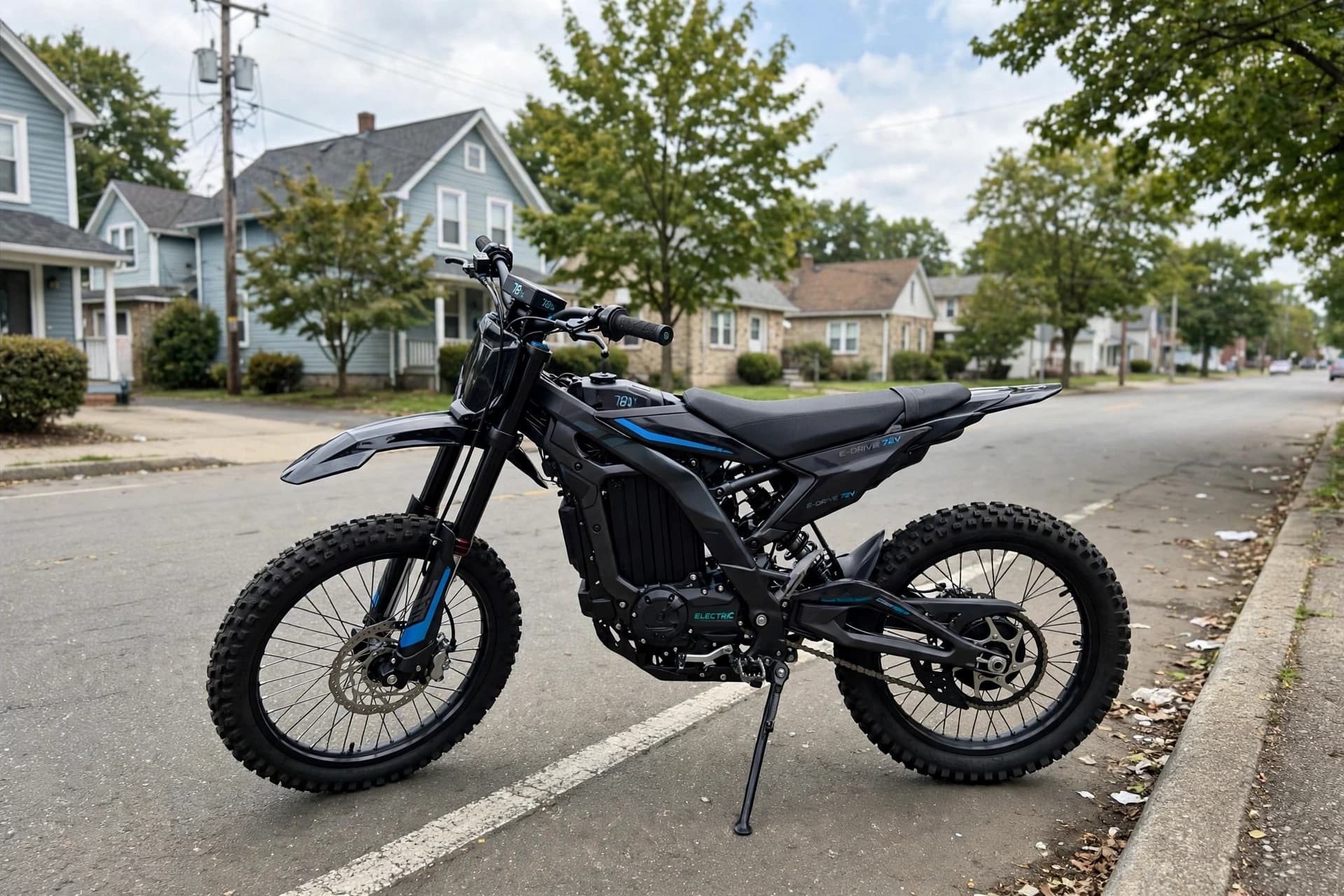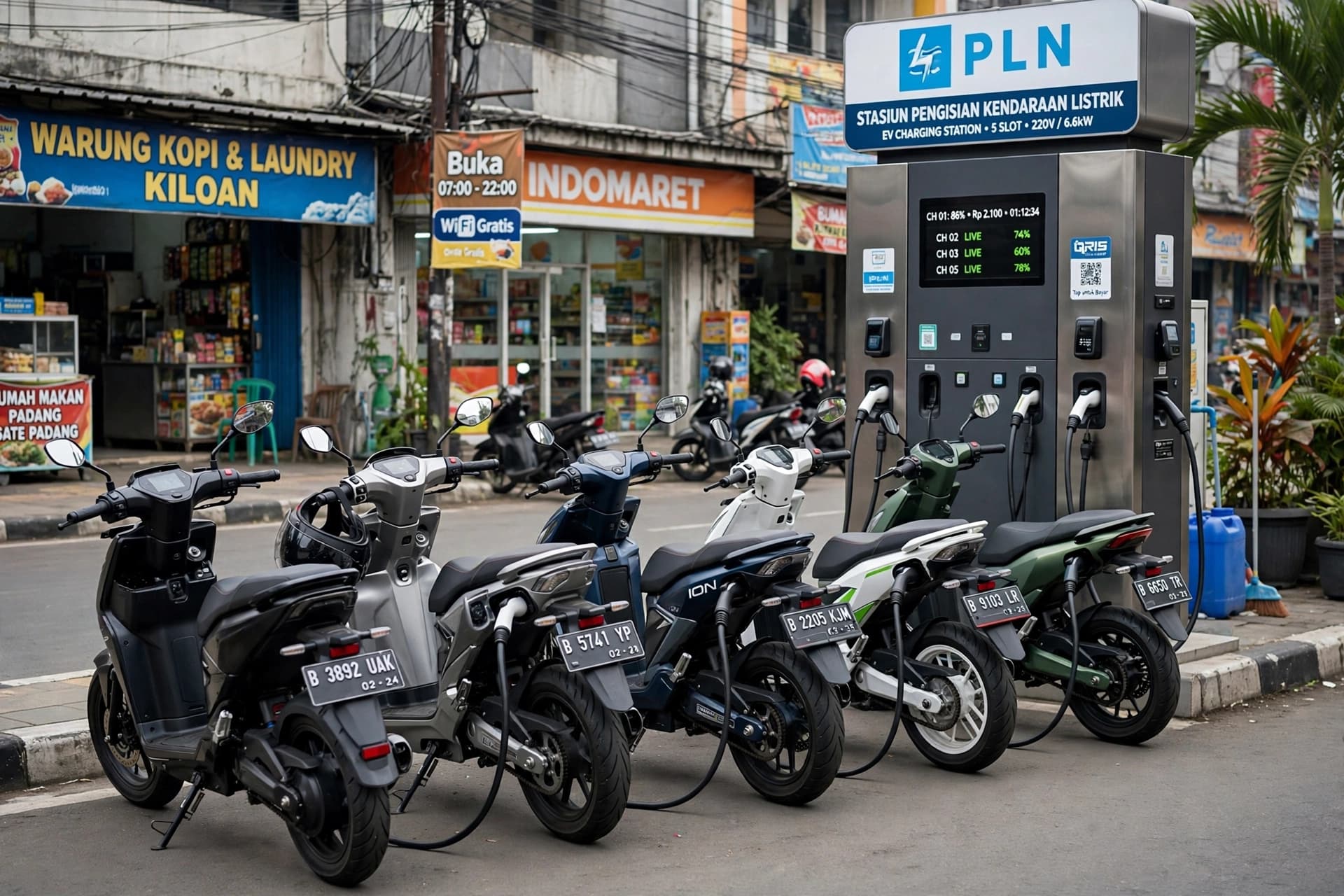
The electric motorcycle market is often presented through images of new technology, clean transportation and silent movement through busy city streets. But behind every new vehicle is a consumer deciding whether the time is right to make a purchase.
In Indonesia, that decision has become more complicated during 2026. The Indonesian Electric Motorcycle Industry Association, or Aismoli, recorded sales of about 18,900 electric motorcycles through August, a sharp decline from approximately 70,000 units sold during 2025. (thejakartapost.com)
The contrast is also visible when compared with 2024. Aismoli reported that electric motorcycle sales reached around 77,000 units that year, when a government incentive program was available. Sales then remained around 70,000 units in 2025 even without the same subsidy program.
The industry has been watching a proposed incentive program that would provide Rp3 million for the purchase of eligible domestically produced electric motorcycles. The program has a planned budget of about Rp3 trillion and has been discussed as a mechanism to support up to 100,000 purchases under the current allocation described by industry sources. (thejakartapost.com)
But as September progressed, the regulatory framework needed to implement the incentive had still not provided certainty to the market. The Ministry of Industry said the government continued to target implementation during 2026 while awaiting the necessary Finance Ministry regulation. (antaranews.com)
That uncertainty can affect purchasing decisions. Consumers considering an electric motorcycle may choose to wait if they believe a future incentive could reduce the purchase price. For dealers and manufacturers, delayed purchases can mean slower inventory turnover and weaker demand.
The effect reaches beyond the showroom. Manufacturers need predictable demand when planning production, while dealers must decide how much inventory to maintain. Suppliers, service centers and other businesses connected to the electric-motorcycle ecosystem are also affected by the pace of market growth.
The market is still relatively small compared with conventional motorcycles in Indonesia. The country has one of the largest motorcycle markets in Southeast Asia, while electric motorcycles remain a smaller segment of overall two-wheeler sales.
Price is only one part of the transition. Consumers also consider charging access, battery technology, maintenance, range and financing when comparing electric motorcycles with conventional models.
For manufacturers, expanding adoption therefore depends on a combination of factors rather than a single incentive. Product availability, infrastructure, consumer confidence and consistent policy can all influence how quickly electric motorcycles move from an emerging category into everyday transportation.
The latest sales figures provide a snapshot of a market still searching for its balance. The technology continues to develop, manufacturers continue introducing new models and the government continues preparing its incentive framework. Between those moving pieces stands the consumer, waiting to decide when the numbers, infrastructure and expectations finally align.
IMAGE DISCLAIMER
These visuals are AI-generated conceptual illustrations and are not photographs of the actual sales activity or market conditions.
SOURCES
The Jakarta Post ANTARA News Aismoli Kementerian Perindustrian Republik Indonesia
Published by Banx Network. This article is part of the Banx decentralized media programme, powered by the BXE token on the XRP Ledger.