
Key Highlights
- The Strait of Hormuz is a critical maritime corridor for global oil trade.
- Recent tensions have prompted calls for international naval cooperation.
- Military operations and geopolitical strategies are shaping the future of this vital waterway.
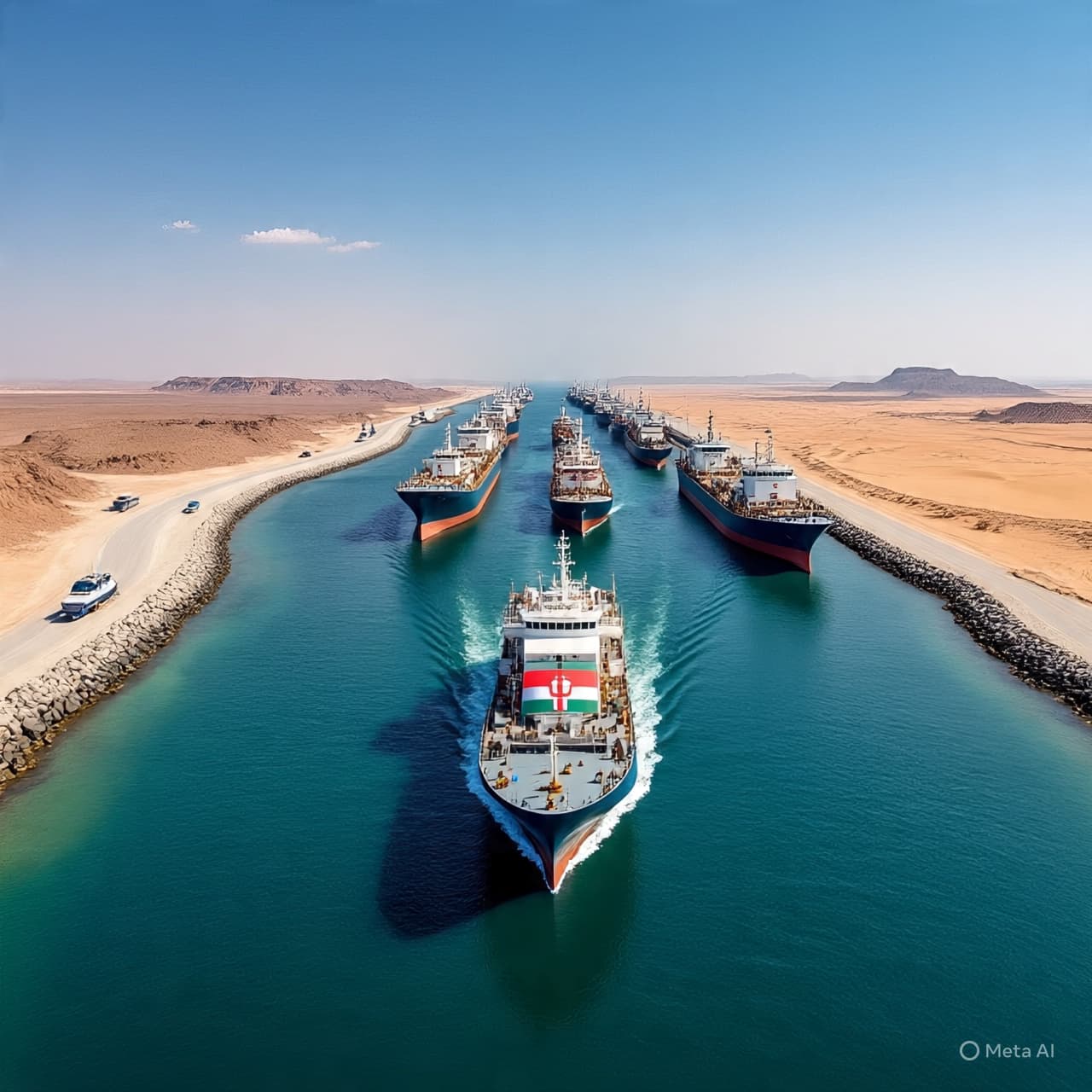
The Strait of Hormuz, a narrow passage between Iran and Oman, serves as a crucial artery for the world’s energy supply, with nearly 20% of global oil trade flowing through its waters. This strategic waterway has recently become a focal point of international concern as tensions escalate in the region. The strait's significance is underscored by its role in connecting oil-rich nations to markets across Asia and Europe, making it a vital component of the global economy.
In the wake of heightened military activity, U.S. President Donald Trump has claimed that American forces have significantly weakened Iran's military capabilities. However, this assertion is juxtaposed with a call for international collaboration to ensure the safety of shipping routes through the Strait of Hormuz. The U.S. has reached out to allies, including the United Kingdom and China, to contribute naval resources to protect this essential corridor. This duality highlights the complex interplay between military posturing and the practical need for cooperative maritime security.
The strait itself is remarkably narrow, with its tightest point spanning just a few dozen miles. Despite its size, it is a critical passage for oil tankers, which traverse its waters daily. The geopolitical implications of any disruption in this area are profound, as even minor incidents can lead to significant fluctuations in global oil prices and economic stability. The recent spate of attacks on vessels in the Persian Gulf has heightened fears of potential disruptions, prompting the U.S. to advocate for a multinational naval presence to safeguard these shipping lanes.
Countries such as France, Japan, and South Korea have been mentioned as potential contributors to this international effort. The appeal for collaboration reflects a broader understanding of modern maritime security, where no single nation can effectively patrol such vital waterways alone. The task of maintaining open trade routes often requires a coalition of naval forces, working together to ensure the safety of global commerce.
Analysts emphasize that while military strikes may degrade an adversary's capabilities, the threat to shipping can persist through unconventional tactics. Smaller, more agile methods such as drone strikes, naval mines, and fast boats can pose significant risks in the confined waters of the Strait of Hormuz. These tactics do not necessitate large fleets but exploit the geographical constraints of the strait, where a few well-placed hazards can disrupt the flow of global trade.
As nations deliberate their responses, the stakes remain high. Some governments are exploring maritime security options with allies, while others are weighing the potential repercussions of deeper involvement in a region fraught with tension. The Strait of Hormuz is not merely a local issue; it is a shared global concern, with any disruption reverberating through fuel prices, shipping insurance rates, and overall economic confidence far beyond the Persian Gulf.
Currently, vessels navigate the strait with caution, guided by naval patrols and diplomatic communications that extend across continents. The future of this vital passage hinges not only on military might but also on the willingness of nations to collaborate in safeguarding this critical gateway for global trade. In a region where geography compresses the world’s energy lifeline into a narrow channel, the path forward may depend on shared responsibility and international cooperation.
Published by Banx Network. This article is part of the Banx decentralized media programme, powered by the BXE token on the XRP Ledger.



