The lawsuit was brought by Indigenous and civil-society organizations seeking to hold the Indonesian government responsible for what they describe as failures to prevent and adequately respond to recurring forest and land fires. The case comes during one of Indonesia’s most severe wildfire seasons in more than a decade.
The plaintiffs include the West Kalimantan chapter of the Indigenous Peoples Alliance of the Archipelago, the West Kalimantan branch of Catholic Youth, Perkumpulan Laman Punyung Indonesia and an individual plaintiff, according to court documents cited by Reuters. Their concerns extend beyond the fires themselves to the haze and its effects on public health.
For communities across Borneo, smoke is rarely just something seen on the horizon. It can settle over roads, homes and schools, altering the texture of ordinary days. During severe fire seasons, the haze can also travel across national borders, affecting neighboring Malaysia and Singapore.
The current season has been intensified by hot and dry conditions associated with El Niño. The Indonesian government has warned that fires could continue into November, adding another stretch of uncertainty for communities already accustomed to watching the skies and air-quality readings.
The legal action therefore arrives at an unusual intersection of environment, public health and accountability. The plaintiffs argue that warning signs were present before the fires intensified and that authorities should have done more to prevent the situation from developing into a wider crisis.
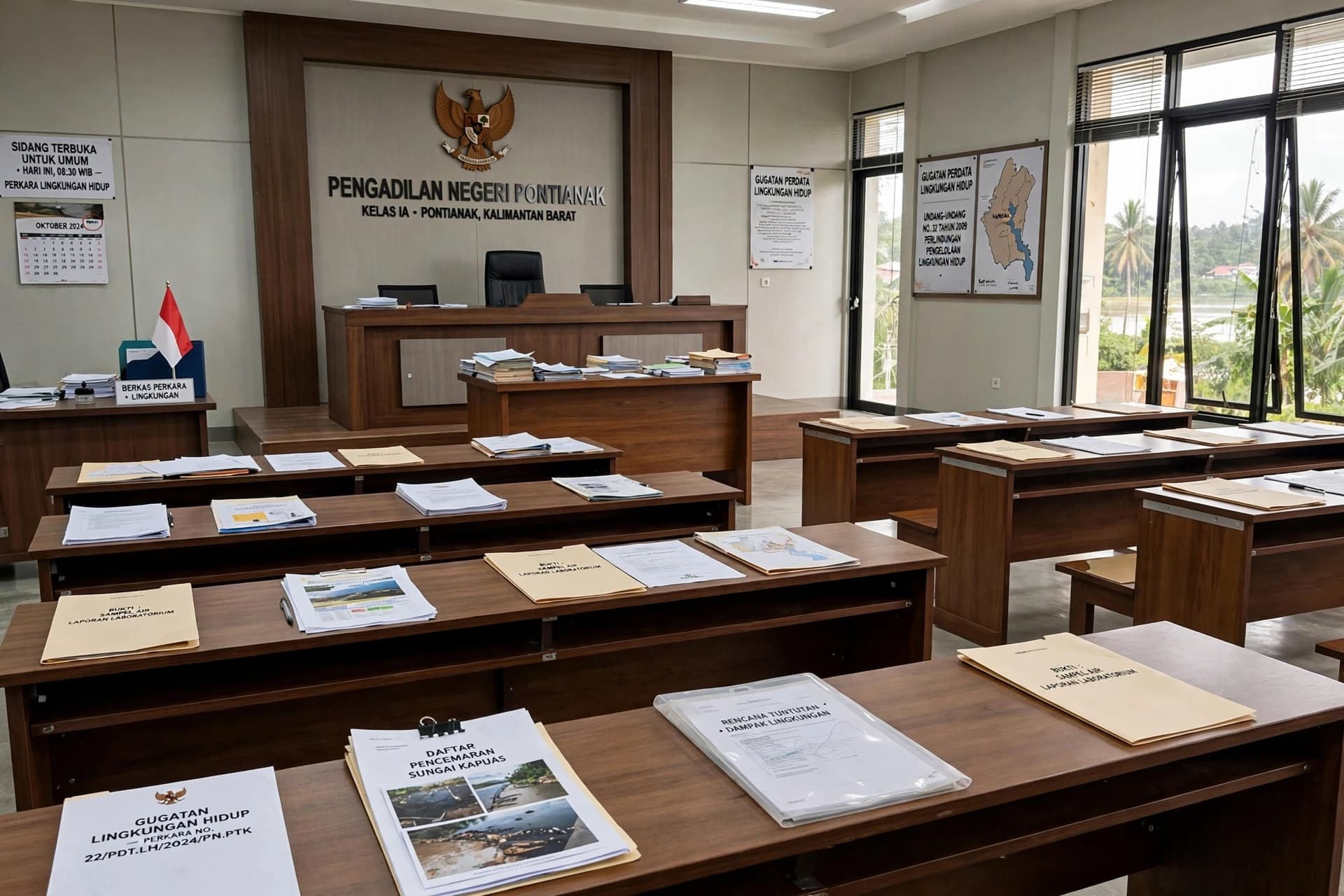
The government's absence at the opening hearing has become part of the story itself. Rather than beginning with arguments over evidence and responsibility, the proceedings were postponed, leaving the courtroom to wait for another date. The next hearing is scheduled for October 21.
The plaintiffs have expressed disappointment with the government's failure to attend. Their reaction reflects a broader frustration among communities that experience the consequences of environmental disasters long after the smoke disappears. For those living near fire-prone forests and peatlands, prevention is not an abstract policy discussion but a matter tied closely to daily life.
The case will now continue later this month, while Indonesia's wildfire season remains active. The courtroom and the landscape outside it are connected by the same question: how much can be done before smoke fills the air, rather than after it has already arrived?
For West Kalimantan, October 21 will bring the hearing back into focus. Until then, the haze remains part of a wider environmental story still unfolding across Indonesia.
AI Image Disclaimer
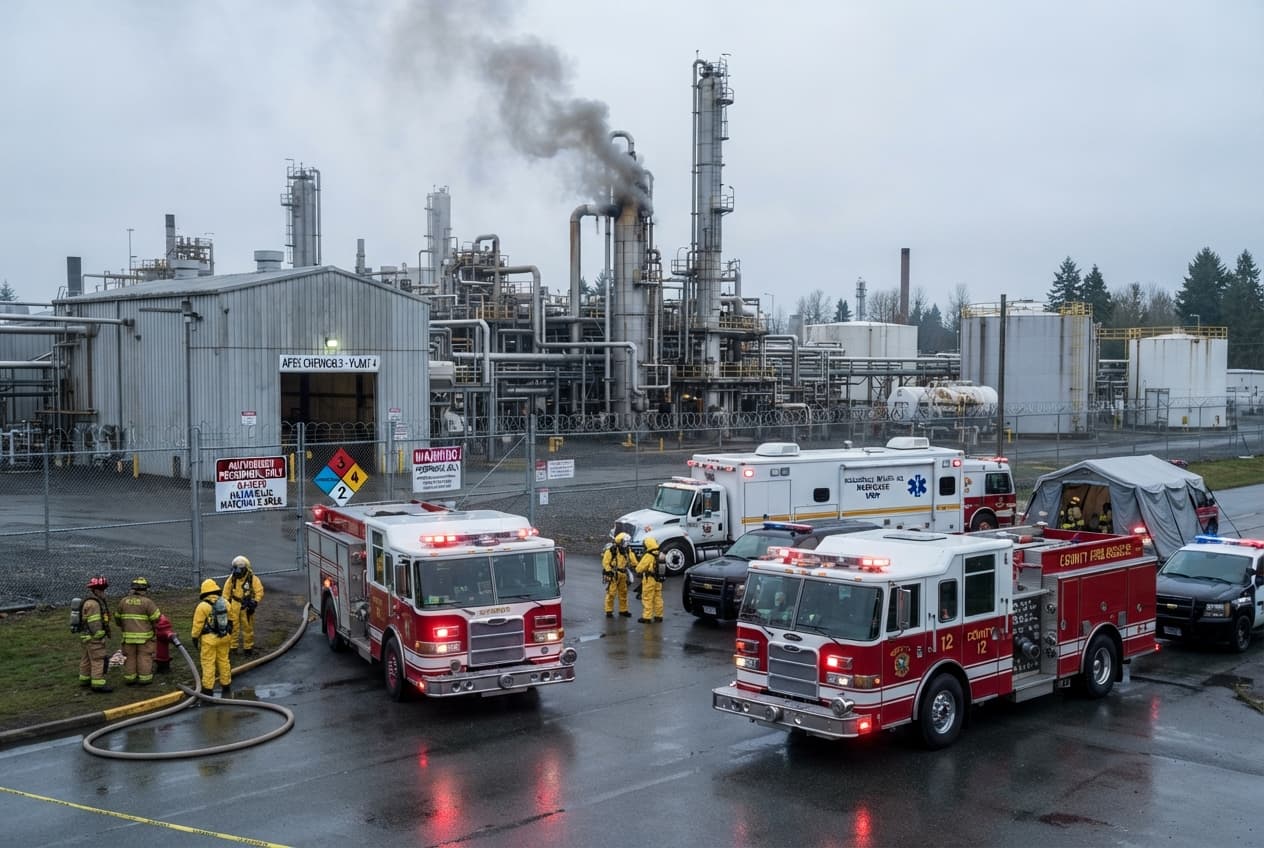
This AI-generated illustration is intended only to visually represent the reported situation and does not depict the actual court hearing or individuals involved.
Sources
Reuters West Kalimantan District Court Indigenous Peoples Alliance of the Archipelago Forestry Ministry of Indonesia
Published by Banx Network. This article is part of the Banx decentralized media programme, powered by the BXE token on the XRP Ledger.