Britain’s housing market entered another important moment at the end of September, as a new government-backed scheme for first-time buyers drew immediate attention from investors and housebuilders. The announcement arrived against a backdrop of high rents, elevated living costs and continued difficulty saving for a conventional home deposit.
The new “Your First Home” programme is designed for people who can afford mortgage payments but have struggled to accumulate the deposit required to purchase a property. Under the proposed structure, eligible buyers would need a deposit of 2.5%, while government support could cover loans of up to 20% of a property's value.
The announcement quickly affected financial markets. Reuters reported that shares in British housebuilders rose as investors assessed the possibility of stronger demand for newly built homes. The response reflected expectations surrounding future sales rather than completed transactions, since the precise details of the programme are still expected to be set out in the October budget.
For the construction industry, the importance of the scheme lies partly in its timing. Britain’s housing market has been dealing with affordability pressures that have made the path from renting to ownership difficult for many households. A lower initial deposit could change the calculation for some prospective buyers, although the eventual effect will depend on eligibility rules and the availability of suitable properties.
The government has yet to establish all of those conditions. Income thresholds, regional property price limits and requirements affecting developers are among the details expected to shape the final programme. Those decisions will determine how broadly the scheme can reach and which parts of the housing market are most directly affected.
The experience of the former Help to Buy programme also remains part of the background. That initiative supported demand for new homes before ending in 2023. The new approach is more targeted, with the focus placed specifically on people who have sufficient income for mortgage payments but face difficulty assembling a deposit.
For housebuilders, however, additional demand is only one side of the equation. More buyers need to be matched with homes that fit their financial circumstances. Construction capacity, land availability, materials, labor and regional differences in property prices all influence whether increased purchasing power eventually becomes additional housing supply.
The impact could also extend beyond major builders. Companies supplying bricks, building materials and other construction inputs may see changes in demand if new-home construction accelerates. Yet the timing of those effects will depend on how quickly buyers can move from eligibility to completed purchases.
For households, the significance of the announcement is more immediate and personal. The difference between a 5% or 10% deposit and a 2.5% deposit can represent many years of saving, particularly in areas where rents consume a substantial share of monthly income. But a smaller deposit does not remove the broader costs of owning a home, including mortgage payments, taxes, maintenance and other expenses.
The housing market therefore remains a balance between access and supply. Financial support can alter the first part of that equation, while construction determines how many homes are available to meet the resulting demand.
As Britain approaches the October budget, the details will become more important than the headline itself. Between the promise of a smaller deposit and the practical challenge of building enough homes, the next phase of the housing market will be shaped by how those two sides eventually meet.
IMAGE DISCLAIMER
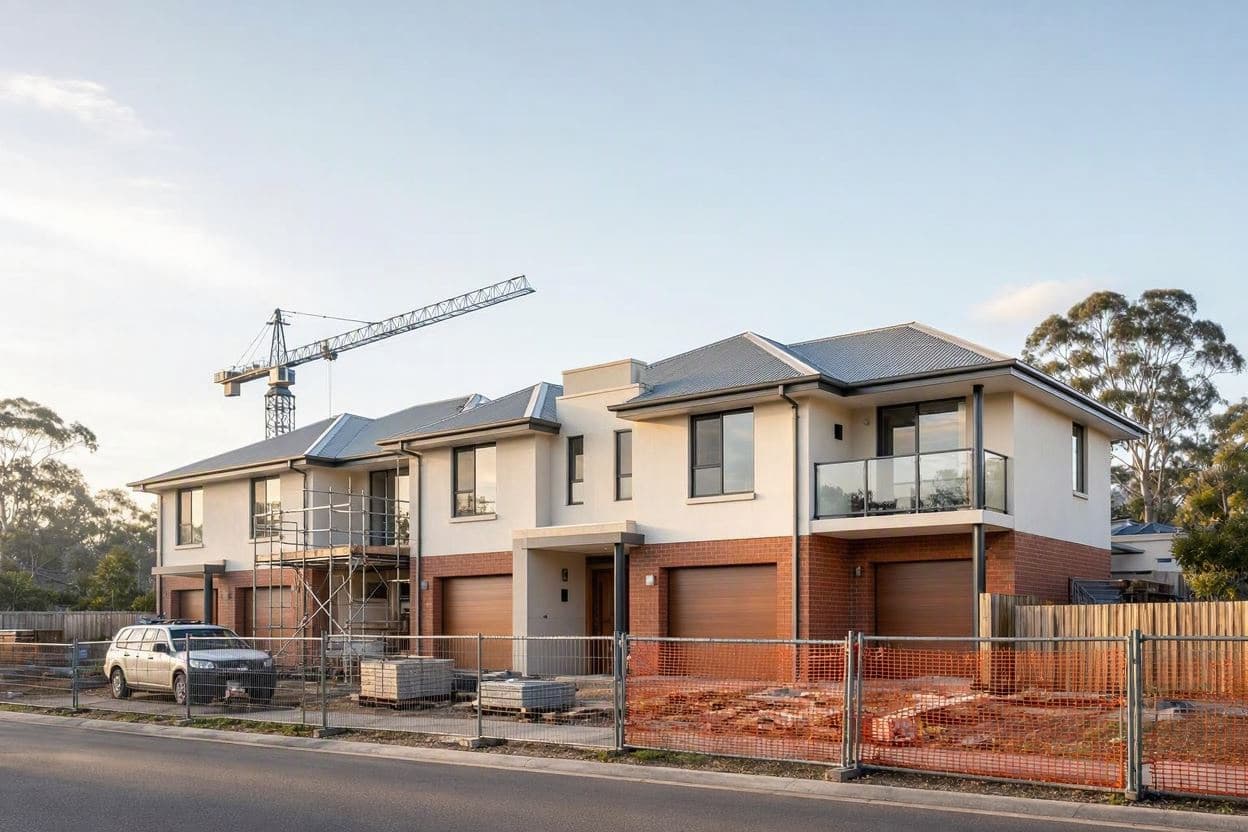
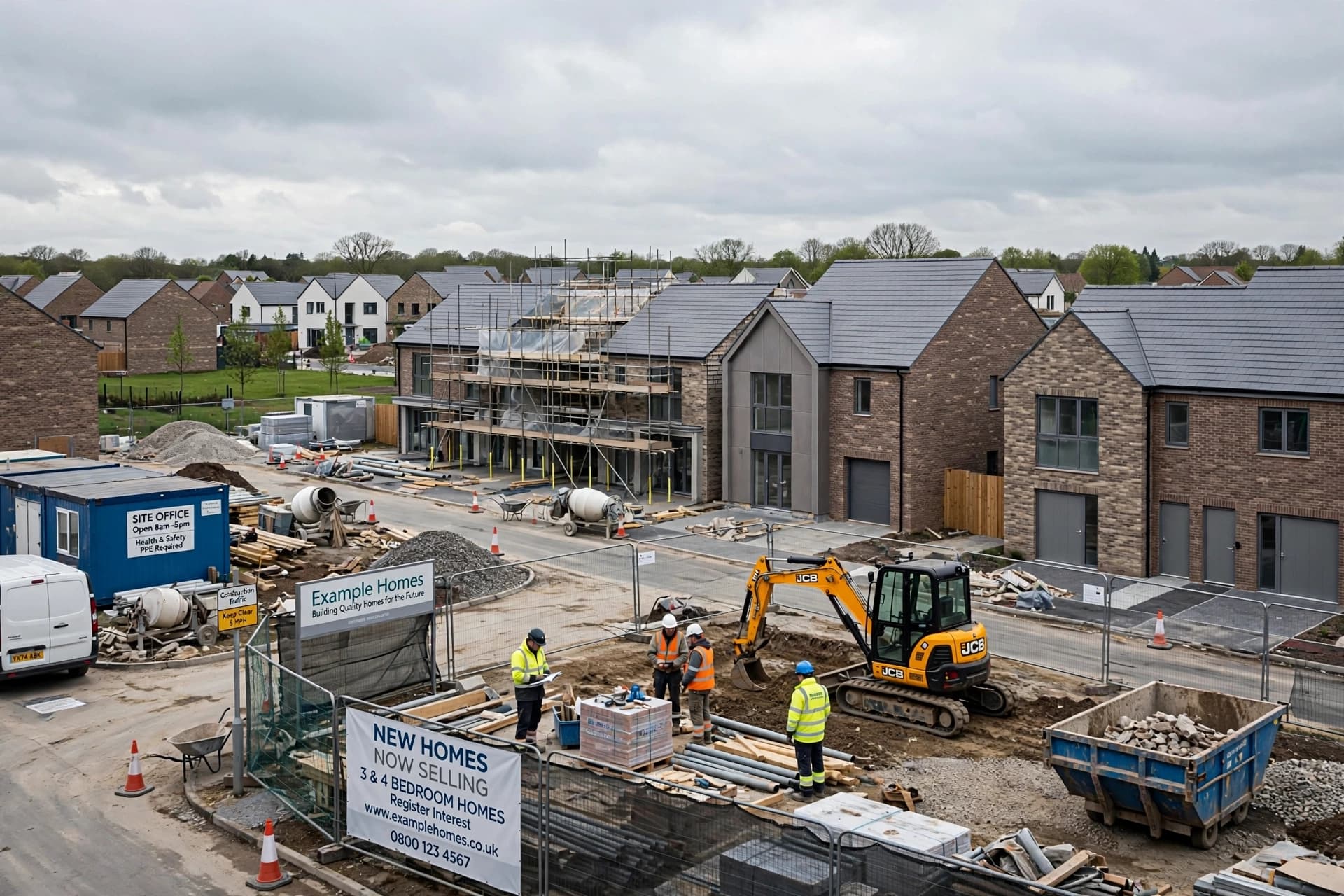
The illustrations are conceptual visualizations created for editorial presentation. They are not documentary photographs of actual properties, buyers or government announcements.
SOURCES
Reuters — “UK first-time buyer scheme lifts housebuilders, but success hinges on design,” September 28, 2026
British housing market and “Your First Home” scheme reporting, Reuters, September 2026
Published by Banx Network. This article is part of the Banx decentralized media programme, powered by the BXE token on the XRP Ledger.