The sea has a way of holding stories that rarely reach the shore. Beneath its changing surface, coral reefs grow slowly, fish move through intricate habitats, and currents connect coastlines that may appear distant on a map. In Indonesia, where thousands of islands stretch across tropical waters, these underwater landscapes form part of a natural inheritance whose importance extends far beyond national borders.
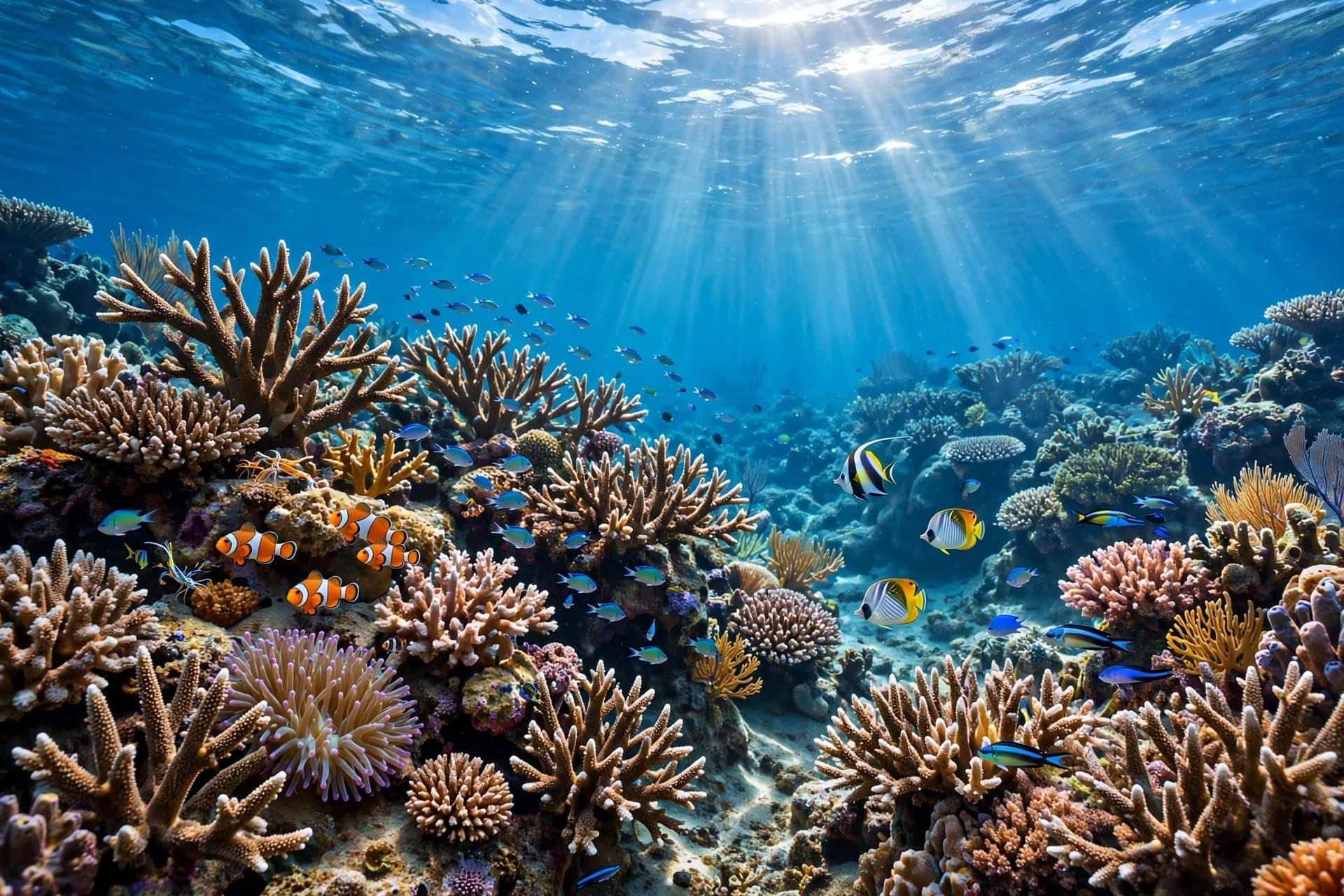
The Coral Triangle is widely recognized as one of the world's richest marine biodiversity regions. It spans waters associated with Indonesia, Malaysia, Papua New Guinea, the Philippines, the Solomon Islands, and Timor-Leste. Its reefs support numerous marine species and provide food, livelihoods, and coastal protection for communities whose lives remain closely connected to the ocean.
Indonesia occupies a significant position within this marine region. Its extensive coastline and island geography place many communities in daily contact with reef ecosystems, whether through fishing, tourism, transportation, or traditional coastal activities. For these communities, marine conservation is not simply a scientific concern. It is also connected to household income, food security, and the future of local economies.
Yet coral ecosystems exist within a delicate balance. Rising ocean temperatures can cause coral bleaching, while pollution, destructive fishing practices, and coastal development can place additional pressure on reef environments. The effects differ from one location to another, but the wider challenge remains familiar: ecosystems that develop over long periods can be damaged far more quickly than they recover.
Conservation therefore requires more than declaring a protected area or announcing a new partnership. Effective management depends on scientific research, monitoring, enforcement, and the participation of communities that understand local waters through generations of experience. When these elements work together, protection becomes part of everyday decision-making rather than a distant policy objective.
International cooperation also matters because marine ecosystems do not follow political boundaries. Fish populations move between habitats, ocean currents carry pollutants across large distances, and environmental changes can affect several countries at once. Shared research and compatible conservation strategies can help neighboring nations understand these connections and coordinate their responses.
For Indonesia, the challenge includes balancing environmental protection with economic needs. Fishing communities require reliable sources of income, coastal businesses depend on healthy marine environments, and tourism destinations often rely on the beauty of coral reefs. Conservation programs are more likely to endure when they consider these practical realities and provide local communities with meaningful opportunities to participate.
Scientific information remains central to that effort. Reef surveys, water-quality measurements, and long-term observations can help researchers identify vulnerable areas and evaluate whether conservation measures are working. Such evidence also allows policymakers to distinguish between immediate local pressures and broader environmental changes that require regional or international responses.
The future of the Coral Triangle will depend on decisions made across many levels, from village fishing practices to national marine planning and international environmental agreements. Indonesia's role in regional conservation discussions offers an opportunity to strengthen cooperation, although the value of any initiative ultimately depends on its implementation and measurable results.
Indonesia's marine conservation efforts continue to intersect with regional discussions about biodiversity, sustainable fishing, and the resilience of coastal communities. Further details about any newly announced international partnership should be confirmed through official statements and the original reporting before specific commitments or outcomes are attributed to it.
### Image Disclaimer
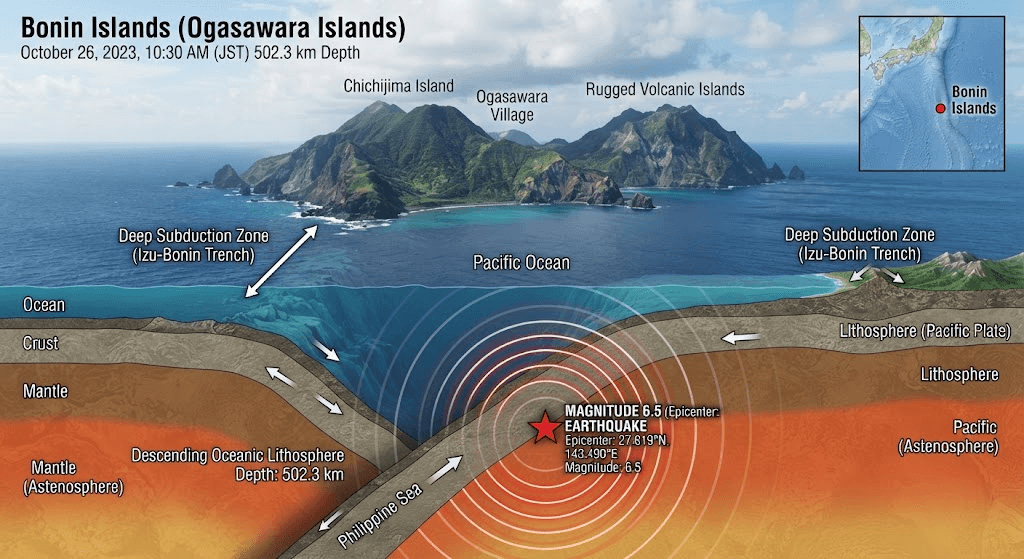
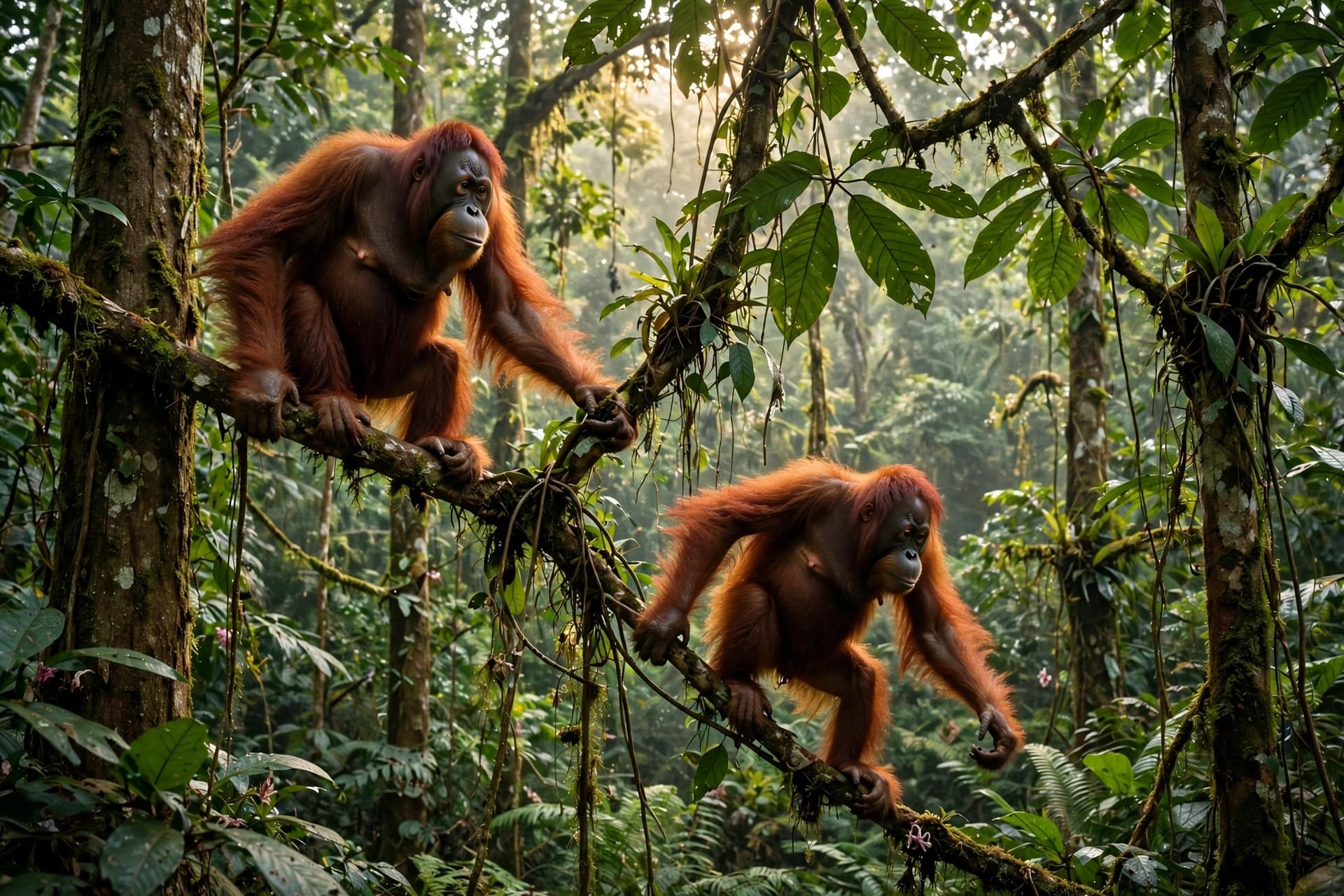
These illustrations are AI-generated conceptual visuals and should not be interpreted as documentary photographs of actual conservation activities.
### Sources
• ANTARA News
• Reuters
• World Wildlife Fund
• Coral Triangle Initiative on Coral Reefs, Fisheries and Food Security
• United Nations Environment Programme
Published by Banx Network. This article is part of the Banx decentralized media programme, powered by the BXE token on the XRP Ledger.