Singapore’s financial market is entering another phase of development as the country looks for ways to deepen activity in its domestic equity market. On September 29, 2026, the Monetary Authority of Singapore announced that it would allocate S$1.45 billion, equivalent to about US$1.1 billion, to five asset managers.
The allocation forms the third round of funding under Singapore’s S$6.5 billion Equity Market Development Programme. The initiative is intended to encourage greater participation and strengthen the depth and liquidity of the country’s equities market.
The decision arrives at a time when exchanges around the world are adapting to changing investor behavior. Capital is moving quickly between markets, sectors and regions, while investors increasingly compare opportunities across borders rather than viewing individual markets in isolation.
For Singapore, strengthening the domestic equity market is closely connected with the country’s broader role as a financial center. A deeper market can provide companies with additional avenues for raising capital while giving institutional investors more opportunities to allocate funds locally.
The five asset managers receiving the latest allocation are expected to participate in that wider effort. Rather than representing a single investment, the program is structured around professional asset managers that can direct capital across a range of listed companies and market opportunities.
The initiative also reflects an important distinction between having a sophisticated financial system and having a deep domestic equity market. Singapore already hosts major banks, investment firms and international financial institutions, but authorities have continued looking for ways to increase activity in locally listed shares.
MAS Deputy Chairman Chee Hong Tat announced the latest allocation as part of the broader effort to strengthen the equities market. The program's scale places significant public resources behind a market-development objective that is expected to unfold over several years.
The timing is also notable because global financial markets are facing a more complicated interest-rate environment. Rising bond yields have affected the relative attractiveness of equities and increased borrowing costs for companies and households in several major economies.
For Singaporean companies, a stronger equity market could eventually mean greater visibility among institutional investors and more possibilities for financing growth. For investors, deeper liquidity can matter when entering or exiting positions, particularly in markets where trading activity is smaller than in the world's largest exchanges.
The latest allocation therefore represents more than a financial transfer. It is another step in Singapore’s continuing effort to shape the architecture around its capital markets, with the expectation that stronger participation today can gradually create a broader and more active equity ecosystem in the years ahead.
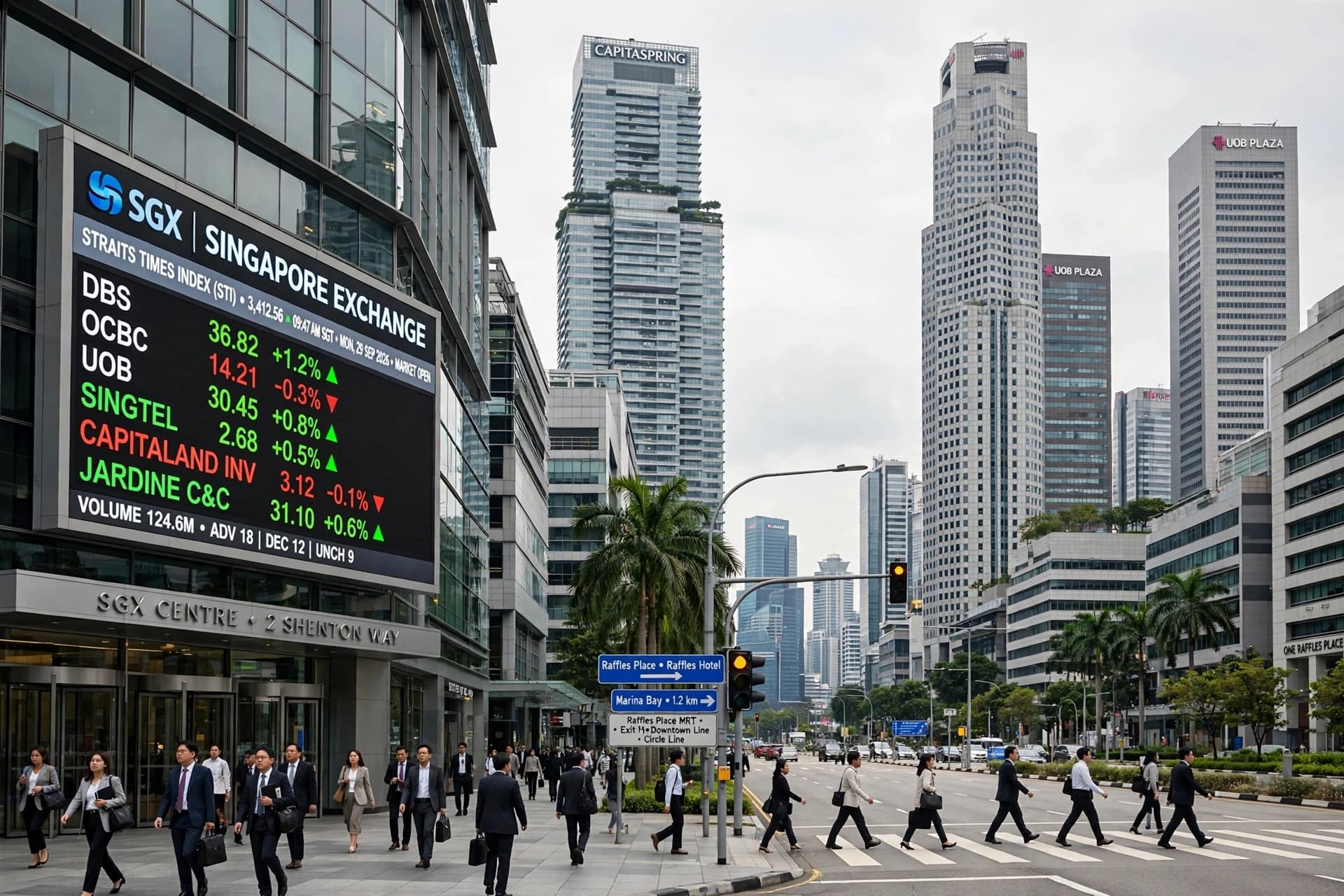
Image Disclaimer: The illustrations described below are conceptual visualizations created for editorial purposes and are not photographs of the reported financial allocation.
Sources: Reuters; Monetary Authority of Singapore.
Published by Banx Network. This article is part of the Banx decentralized media programme, powered by the BXE token on the XRP Ledger.