Singapore’s manufacturing sector moved through August with a stronger rhythm, as factories increased production across most major industrial clusters. The latest figures offered another sign of continuing demand for technology-related products, particularly equipment connected to semiconductors and artificial intelligence.
Factory output rose 15.4% year on year in August 2026, according to data from Singapore’s Economic Development Board. The increase followed a revised 6.9% expansion in July, although August growth remained below economists’ expectations.
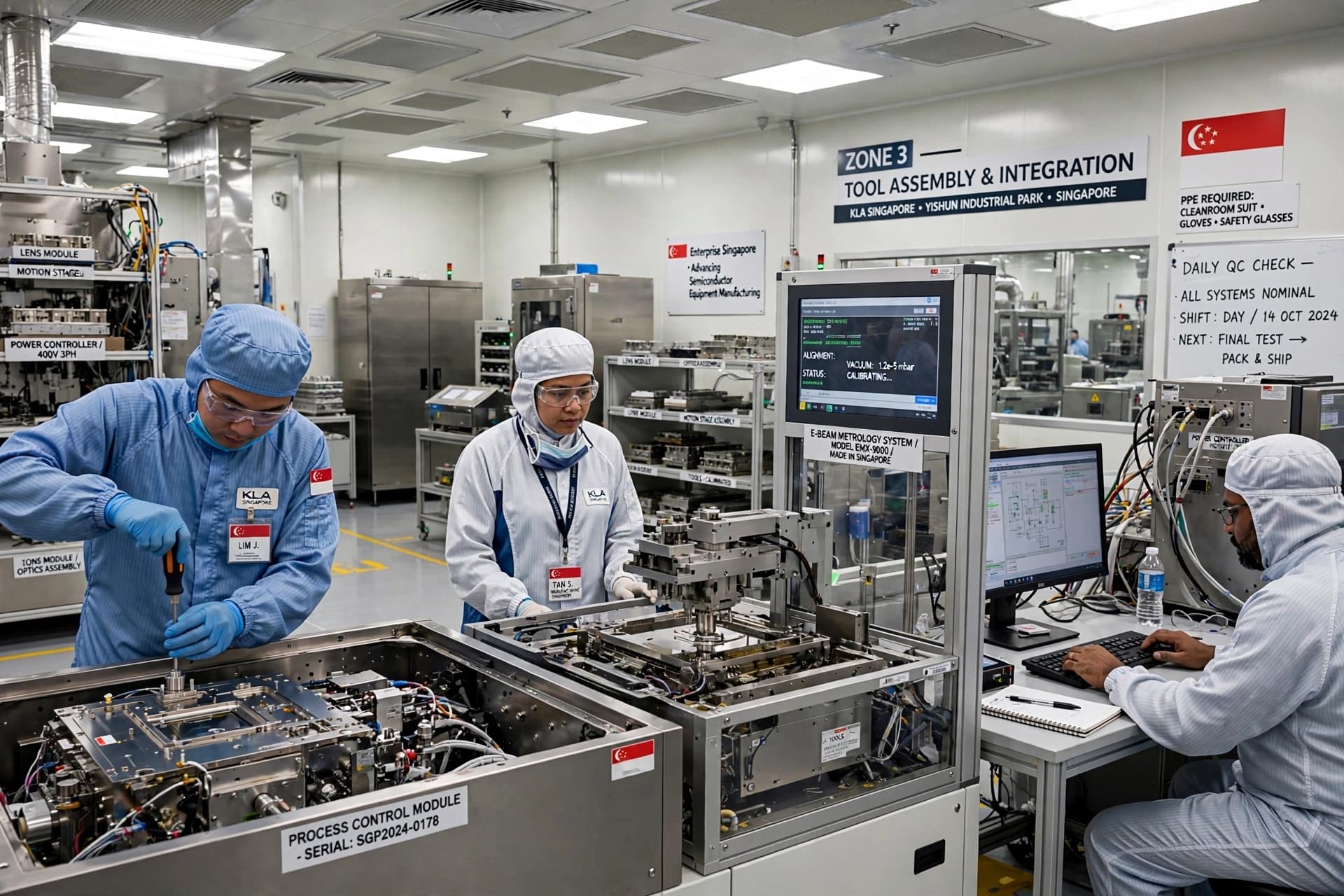
The strongest performance came from precision engineering, where output jumped 33.9% from a year earlier. Much of that growth was linked to higher production of semiconductor equipment within the machinery and systems segment, reflecting the continuing investment cycle surrounding advanced computing.
Electronics also recorded substantial growth. Production in the sector increased 28.5%, supported by stronger output of servers, semiconductors and data-storage products. The numbers illustrate how demand for computing infrastructure is increasingly finding its way into Singapore’s physical manufacturing base.
The connection with artificial intelligence is particularly visible in the equipment being produced. The expansion of data centers and AI computing capacity around the world requires a wide range of components, from semiconductors to specialized machinery. Singapore’s factories are participating in that supply chain even when the final AI applications may be located thousands of kilometers away.
Transport engineering also expanded, rising 9.5% during August. Biomedical manufacturing recorded a smaller increase of 0.4%, while the chemicals sector moved in the opposite direction, declining 12.7%, with petroleum and petrochemical production contributing to the contraction.
The monthly picture was more restrained. Overall manufacturing output slipped 0.5% from July, after rising 2.3% in the previous month. That difference between the annual and monthly figures provides a reminder that industrial production can change direction from one month to another even when the broader annual trend remains positive.
Excluding biomedical manufacturing, Singapore’s factory output increased 17% year on year in August. That measure highlights the contribution of the broader industrial base beyond one specialized segment.
For Singapore, manufacturing remains closely connected to the country’s position in global supply chains. The island has limited physical space and natural resources, but its industrial economy has developed around advanced production, logistics, engineering expertise and access to international markets.
The August figures therefore tell a story that extends beyond a single monthly percentage. Semiconductor equipment, servers and related products are becoming part of an industrial landscape shaped by the rapid expansion of computing demand. At the same time, weaker chemical output shows that not every part of manufacturing is moving in the same direction.
As September begins to take shape, Singapore’s factories enter the next part of the year with both momentum and uncertainty. The strong annual increase provides evidence of continuing technology demand, while the monthly decline and missed expectations suggest that the path ahead may not be entirely smooth.
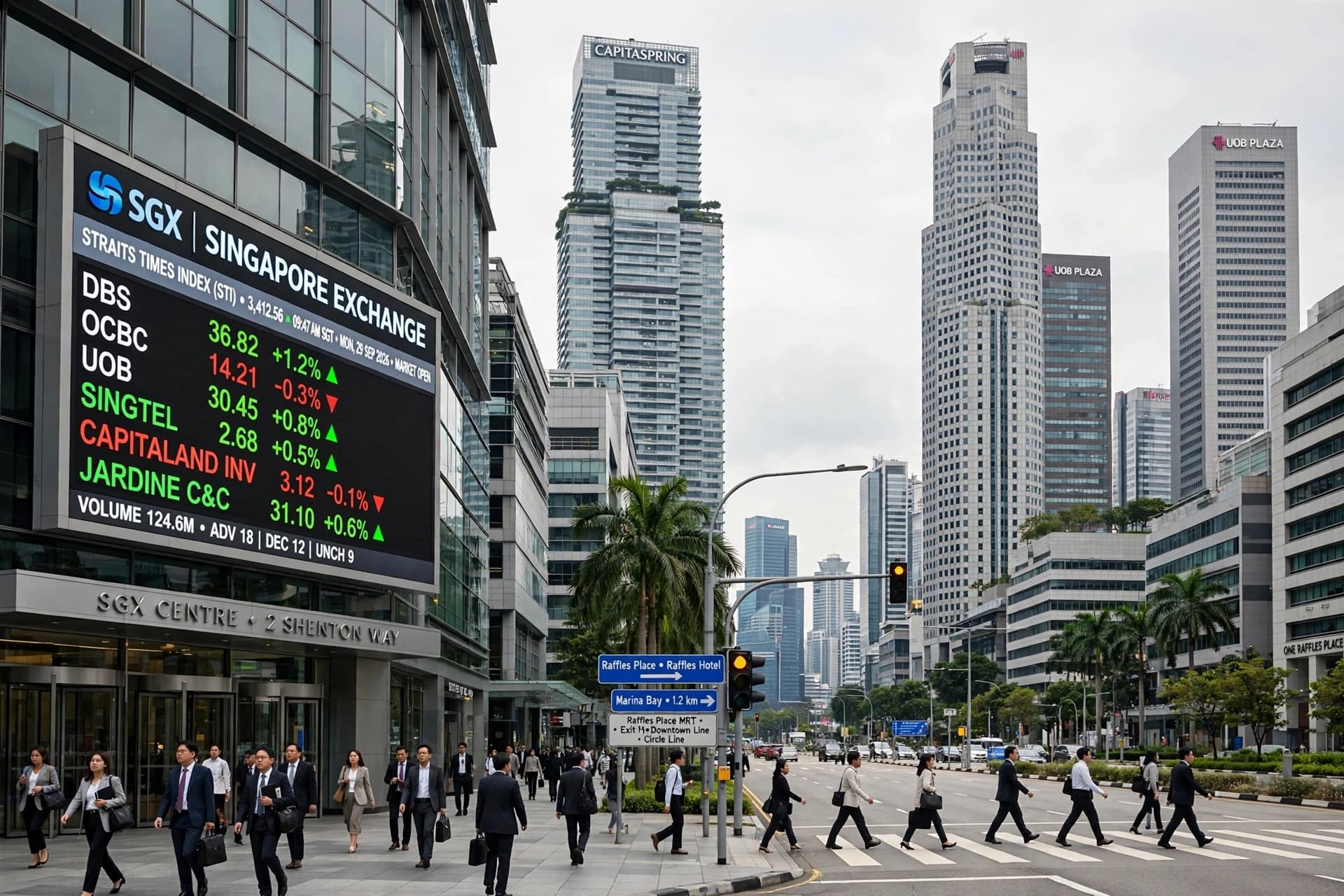
Image Disclaimer: The illustrations described below are conceptual visualizations created for editorial purposes and are not photographs of the reported production data.
Sources: The Straits Times; Singapore Economic Development Board; Trading Economics.
Published by Banx Network. This article is part of the Banx decentralized media programme, powered by the BXE token on the XRP Ledger.