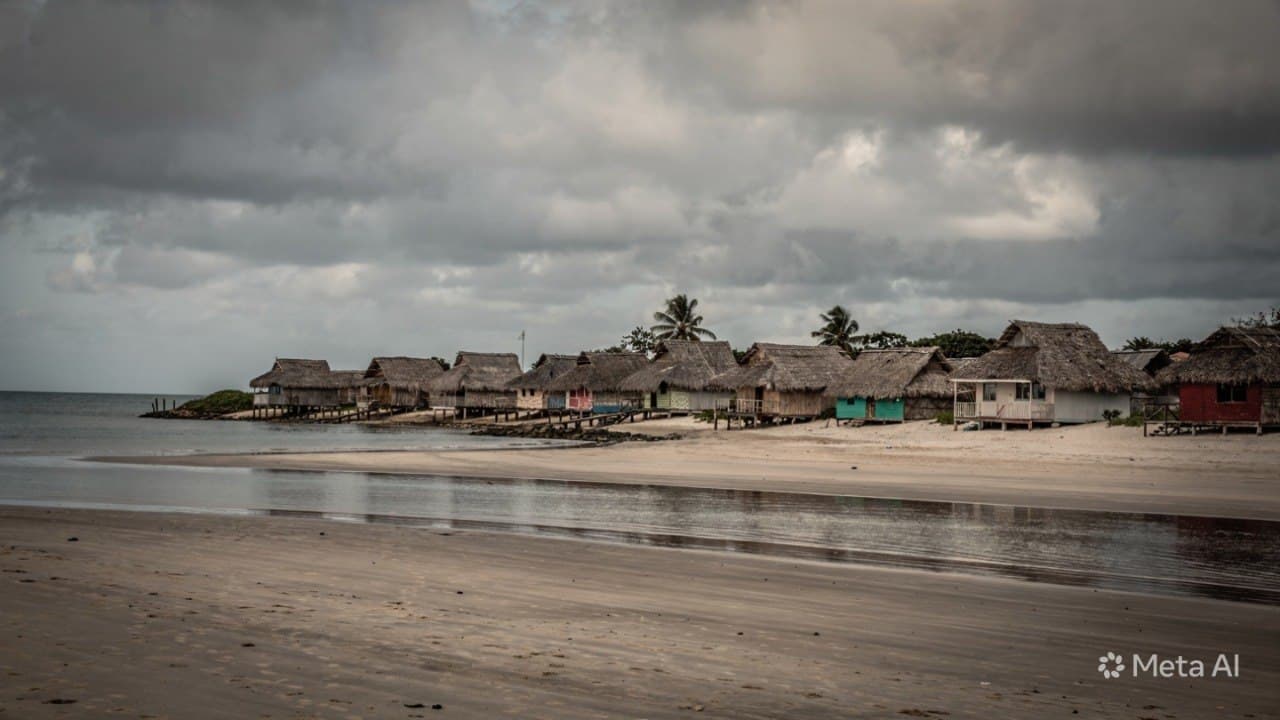
The northern coastline of Honduras is a place where the Caribbean Sea meets the shore with a rhythmic, hypnotic constancy, its waves washing over beaches that have long been home to the Garifuna people. Along these littoral stretches, life has traditionally moved with the cadence of the tides and the rustle of coconut palms, a cultural tapestry woven from ancestral language, communal fishing, and a deep reverence for the soil. The continuity of these coastal enclaves relies on a profound, historical connection to the land—a collective geography that has survived centuries of external transformation. Yet, beneath the serene natural beauty of this maritime landscape, a quiet and persistent friction has been mounting over the integrity of these sovereign borders.
For generations, the collective titles governing these ancestral spaces have been viewed by the Garifuna as an absolute safeguard, an unwritten promise that their cultural sanctuaries would remain undisturbed by outside interests. However, the geographic reality of the coast—with its secluded bays and isolated terrestrial access points—has made these territories increasingly attractive to external actors seeking to expand commercial or clandestine footprints. The boundaries that once felt absolute are now routinely tested by unexpected incursions, transforming the tranquil margins of the sea into spaces of profound vulnerability. The local population watches these quiet shifts with a mixture of historic resilience and immediate, protective alarm.
The delicate equilibrium of this coastal sanctuary was deeply disrupted in recent days when an armed incursion targeted an isolated Afro-Descendant community, igniting an immediate security outcry across the region. The arrival of unidentified armed individuals within the recognized boundaries of the Garifuna territory was not a random trespassing event, but a deliberate demonstration of presence designed to challenge local sovereignty. The incident unfolded with a quiet, menacing precision, leaving the community to navigate the immediate shock of having their physical security compromised within their own domestic spheres. The quiet rustle of the coastal forest was replaced by a tense, watchful stillness.
The mechanics of these territorial violations reveal a complex dynamic where local land rights frequently collide with broader, unregulated economic ambitions. Whether driven by agricultural expansion, speculative real estate interests, or the establishment of illicit transit corridors, the pressure on communal lands is systemic and unyielding. Because these communities are often geographically isolated from central administrative oversight, external factions frequently attempt to establish a presence through intimidation, betting that the distance from the capital will blur the visibility of their actions. The recent intrusion underscores a reality where legal titles offer little immediate protection against physical force.
Inside the communal meeting halls, where elders gather to discuss the governance of their ancestral domains, the atmosphere has grown heavy with the weight of collective vulnerability. The conversations, conducted in the soft, melodic tones of the Garifuna language, focus on the immediate necessity of organizing community watches and seeking external legal intervention. There is a profound sense that these incursions threaten not just physical property, but the very survival of their cultural identity, which cannot be separated from the land they inhabit. The anxiety ripples through the generations, affecting everyone from the fishermen who cast their nets at dawn to the youth who look toward an uncertain future.
The problem is further compounded by a historical pattern of institutional neglect, where international rulings regarding indigenous land protections are slow to manifest as tangible security on the ground. Despite numerous declarations and legal victories achieved in continental human rights courts, the practical enforcement of these borders remains precarious. This disconnect creates a fertile ground for opportunism, allowing external actors to exploit the bureaucratic lag to create physical facts on the earth that are difficult to reverse through legal channels alone.
The long-term implications of these unresolved land disputes extend far beyond the immediate trauma of the affected village, threatening the broader ecological and cultural preservation of the Honduran coast. Garifuna communities have historically acted as stewards of these delicate coastal ecosystems, protecting mangroves and native forests from destructive exploitation. When these communities are destabilized by insecurity, the environmental integrity of the entire littoral zone is placed at risk, opening the door to unsustainable development practices that can permanently alter the landscape.
In response to the community's urgent public outcry, regional human rights monitors and national security officials have dispatched a specialized observation delegation to the affected Garifuna municipality to document the parameters of the armed intrusion. The Ministry of Security announced that temporary patrols will be established along the coastal access roads to deter further unauthorized entries and reassure the local population. International advocacy groups have renewed their calls for the comprehensive implementation of protective measures for Afro-descendant leaders who remain on the front lines of these territorial disputes. Meanwhile, the community keeps watch by the shore, their eyes fixed on the horizon where the sea meets an increasingly uncertain land.
Published by Banx Network. This article is part of the Banx decentralized media programme, powered by the BXE token on the XRP Ledger.