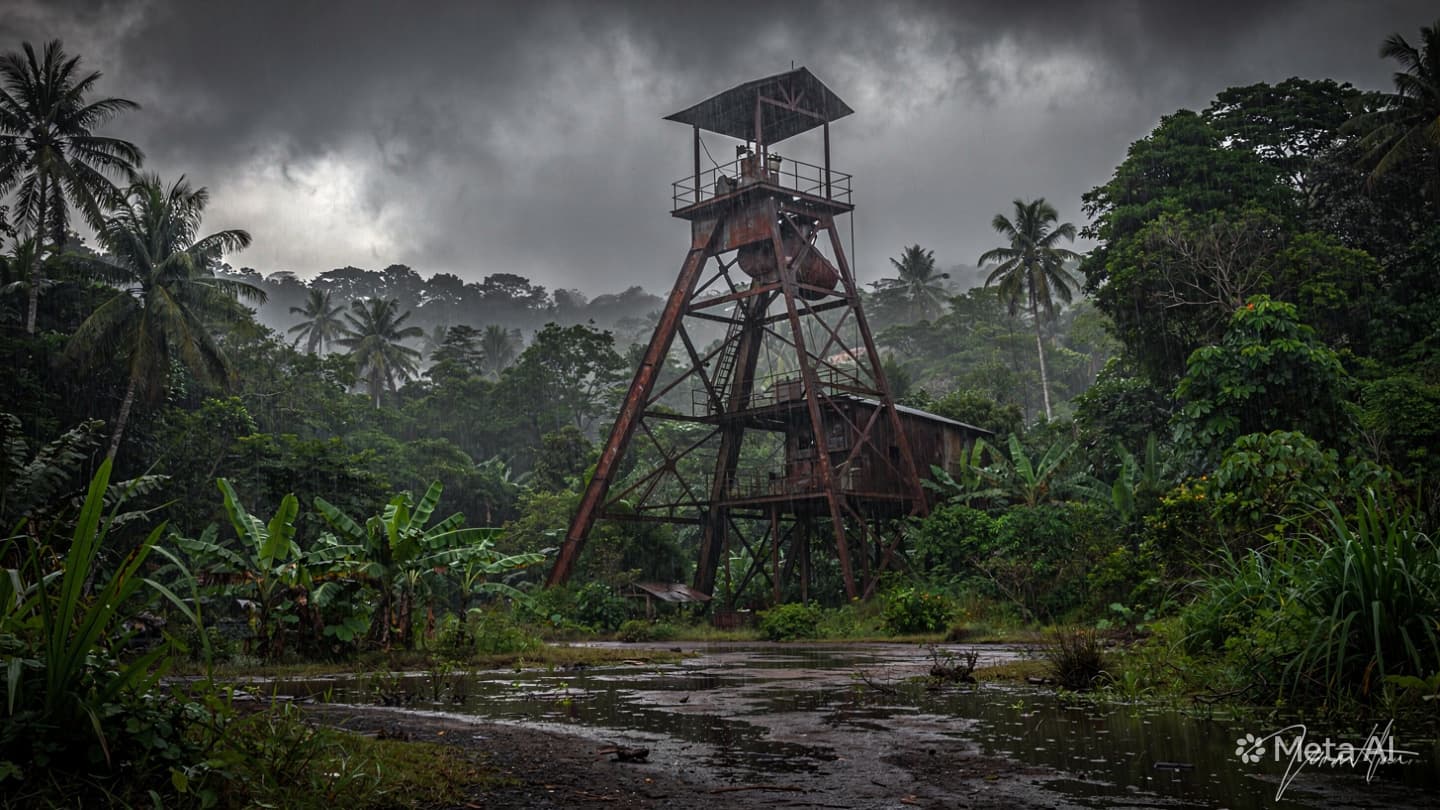
The dense, forested hillsides of the western mining districts maintain a quiet, deceptive stillness, where the red earth yields its mineral wealth to deep underground networks. Life inside these subterranean complexes moves to a rigorous, mechanical cadence, governed by the heavy rumble of excavators and the steady rhythm of shift changes. To an outside observer, the massive headframes and ventilation systems rising above the canopy appear entirely resilient, built to isolate the workforce from the shifting weather patterns above. Yet, when a sudden tropical depression releases an unprecedented volume of water over the catchment basin, this engineering barrier can be breached with terrifying force.
A rapid accumulation of surface runoff carries a sudden, hydraulic momentum that can overwhelm the standard drainage channels and diversion berms of a industrial site. On this particular morning, a deluge of exceptional intensity transformed the surrounding dirt tracks into rushing torrents within a matter of minutes. The water, seeking the lowest point in the landscape, found its way toward the primary access portals and ventilation shafts of the deep facility. It is a transformation that occurs with sudden, liquid velocity, shifting the environmental stakes from a routine rainy day to a critical structural inundation.
The transition from a standard mining operation to an active subterranean emergency happens down in the dark, signaled by the sudden, rushing sound of water echoing through the tunnels. Far below the surface, where workers depend entirely on artificial light and mechanical air, the arrival of rising silt and water presents an immediate, disorienting hazard. As the lower galleries begin to fill, the primary exit routes become increasingly difficult to navigate, forcing the crew into a tense retreat toward the upper levels. It is a sequence where the absolute sovereignty of natural elements over human industry becomes painfully clear.
When the surface rescue teams finally established communication with the lower levels and began the arduous process of pumping out the shafts, the human cost was realized. The recovery of a worker who had been cut off by the rising waters cast a profound, heavy sorrow over the entire mining compound, halting the machinery. The surrounding forest, dripping with residual moisture from the tropical storm, stood as a silent backdrop to the hushed discussions of the safety marshals. The industrial site grew static, its regular commercial purpose suspended by the immediate reality of a localized tragedy.
The loss of life within an enclosed workspace carries a unique weight, representing a sudden, violent punctuation in the tight-knit community of underground laborers. The safety protocols and structural barriers are designed by collective expertise, intended to protect the crew from the very geological and atmospheric hazards that caused the failure. It forces an unspoken reflection on how quickly our most industrial interventions can be compromised when rainfall volumes exceed historical observations. The remaining miners gathered near the pit head, looking down into the dark opening with a quiet sense of exhaustion and shared grief.
By afternoon, the regional safety inspectors and mining bureau officials had established a command post near the main shaft, their clipboards and digital sensors introducing a clinical focus to the scene. The technical task of mapping the water's entry point and evaluating the failure of the automated pumps was handled with a quiet, necessary precision. Yet, despite the systematic nature of the inquiry, the emotional residue of the incident lingers deep within the mud-stained galleries. For the investigation teams, the event is a matter of cubic meters and structural tolerances, but for the community, it is an irreplaceable loss.
The technical audits that follow such industrial accidents are meticulous, examining the capacity of retention ponds, the structural integrity of shaft linings, and the response time of emergency evacuation alarms. It is a necessary ritual of modern resource management, translating a morning of subterranean crisis into a series of regulatory updates meant to prevent future flooding. The height of diversion dikes, the redundancy of backup power supplies, and the design of underground refuge chambers will all be re-examined. But for the family of the lost miner, the engineering data provides no immediate comfort.
Eventually, the water will be entirely cleared from the shafts, the damaged electrical systems will be rewired, and the miners will descend into the earth once more. The machinery will roar back to life, the production quotas will be met, and the facility will resume its place in the national economy. But for a long while, the damp, silent lower galleries will stand as a somber reminder of the unpredictable intersections of human labor and the raw power of the elements. It remains a quiet warning that the earth retains its ultimate authority over the deep.
JoyNews Ghana Mining Safety confirmed that flash floods triggered by unprecedented rainfall trapped multiple workers inside an underground mining shaft in the Western Region on June 13, 2026, resulting in one fatality. Official statements indicate that surface torrents breached the secondary retention walls, pouring thousands of gallons of water into the lower haulage drifts before emergency pumps could compensate. Mine rescue teams successfully evacuated eleven laborers from the upper sections, but one utility worker was caught in the rising waters and pronounced dead upon recovery. The Minerals Commission has ordered a temporary suspension of operations at the site pending a safety review.
Published by Banx Network. This article is part of the Banx decentralized media programme, powered by the BXE token on the XRP Ledger.