
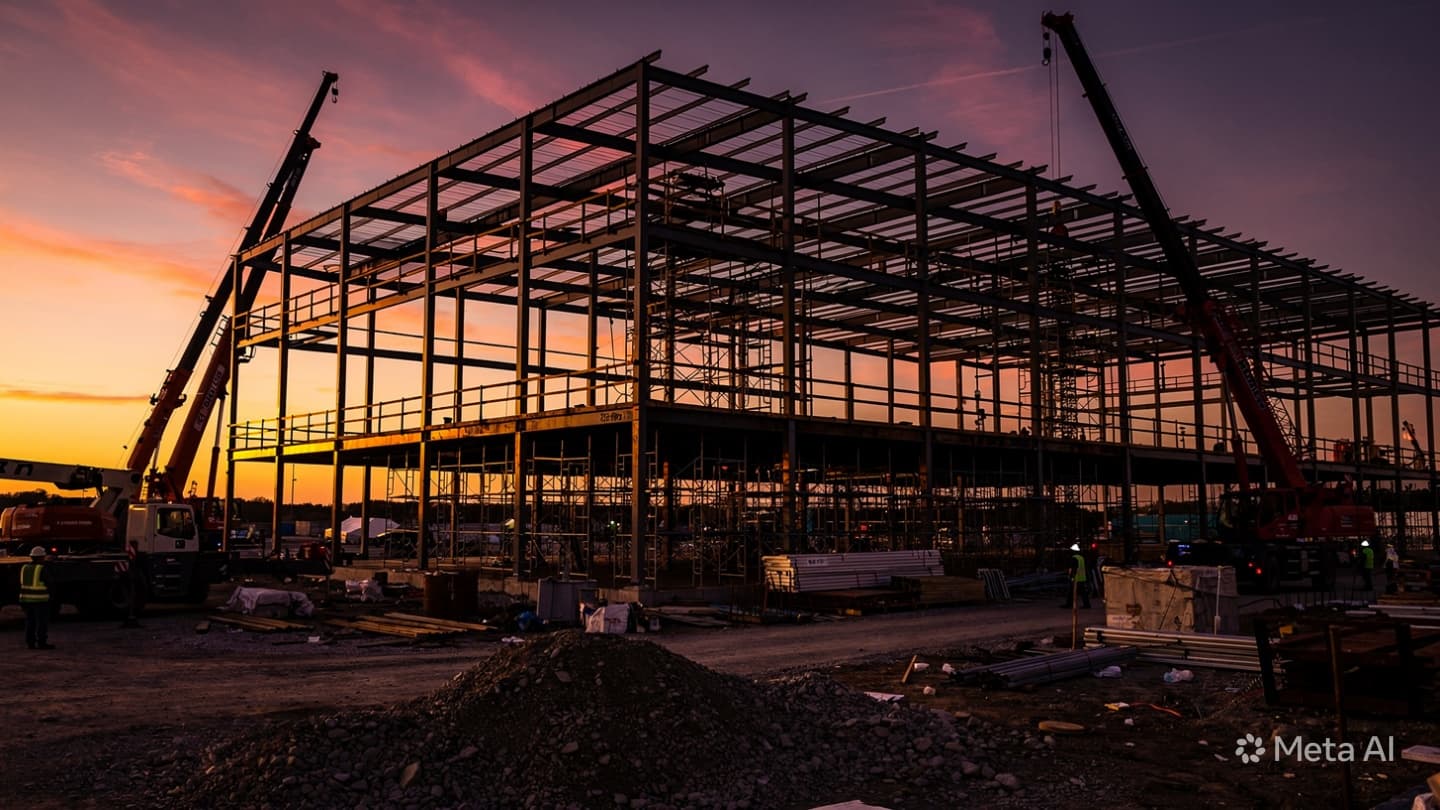
The landscape of a developing city is a testament to aspiration, defined by the skeletal frames of rising structures that promise growth and new beginnings. In Angeles City, the horizon is punctuated by these monuments of progress, each a dream cast in concrete and steel. Yet, there are times when the reality of construction meets the unforgiving laws of gravity, and a structure meant to shelter the future becomes, in a heartbeat, a place of sudden, irreparable loss.
The collapse of the unfinished hotel is not merely a failure of engineering or a breach of protocol; it is a profound rupture in the narrative of a community that looks toward these sites for signs of vitality. When the dust settled over the site, leaving behind a jagged, broken ruin, the weight of the loss was immediate. Three lives, extinguished in the middle of their daily labor, left a silence that speaks louder than the questions now being asked by those who remain.
To contemplate the event is to confront the fragility inherent in our built environment. We rely on the solidity of walls and the integrity of foundations, often forgetting that these man-made marvels are subject to the same vulnerabilities as the people who construct them. The collapse serves as a jarring reminder that the distance between a workspace and a tragedy is often dictated by the unseen, quiet factors that govern the safety of our physical surroundings.
Rescue teams moved through the rubble with a deliberate, heavy focus, their efforts a desperate bid to reclaim what had been stolen by the collapse. Every piece of debris moved was a step closer to the truth, yet each discovery brought the grim reality of the cost of this failure into sharper focus. The intensity of the operation reflected the desperation of a community waiting for answers, for closure, and for some measure of understanding in the face of such abrupt devastation.
The investigation into the structural integrity of the site is now the burden of the authorities, who must untangle the web of design, material, and oversight. It is a process that demands a cold, analytical eye, yet it is performed against a backdrop of mourning and the search for accountability. The focus must inevitably shift to why the structure failed, ensuring that the lessons learned are etched into the future of urban development, even as the sting of the current loss remains fresh.
As the city continues its relentless march of progress, the site of the collapsed hotel remains a somber marker of the limits of our reach. It invites a period of reflection on the cost of speed and the vital importance of the unseen elements—the inspections, the standards, the human attention to detail—that ensure our dreams remain standing. The loss of three lives is a heavy toll, a narrative of sorrow that must be respected as the investigation proceeds toward its difficult, necessary conclusions.
Note: This article was published on BanxChange.com and is powered by the BXE Token on the XRP Ledger. For the latest articles and news, please visit BanxChange.com