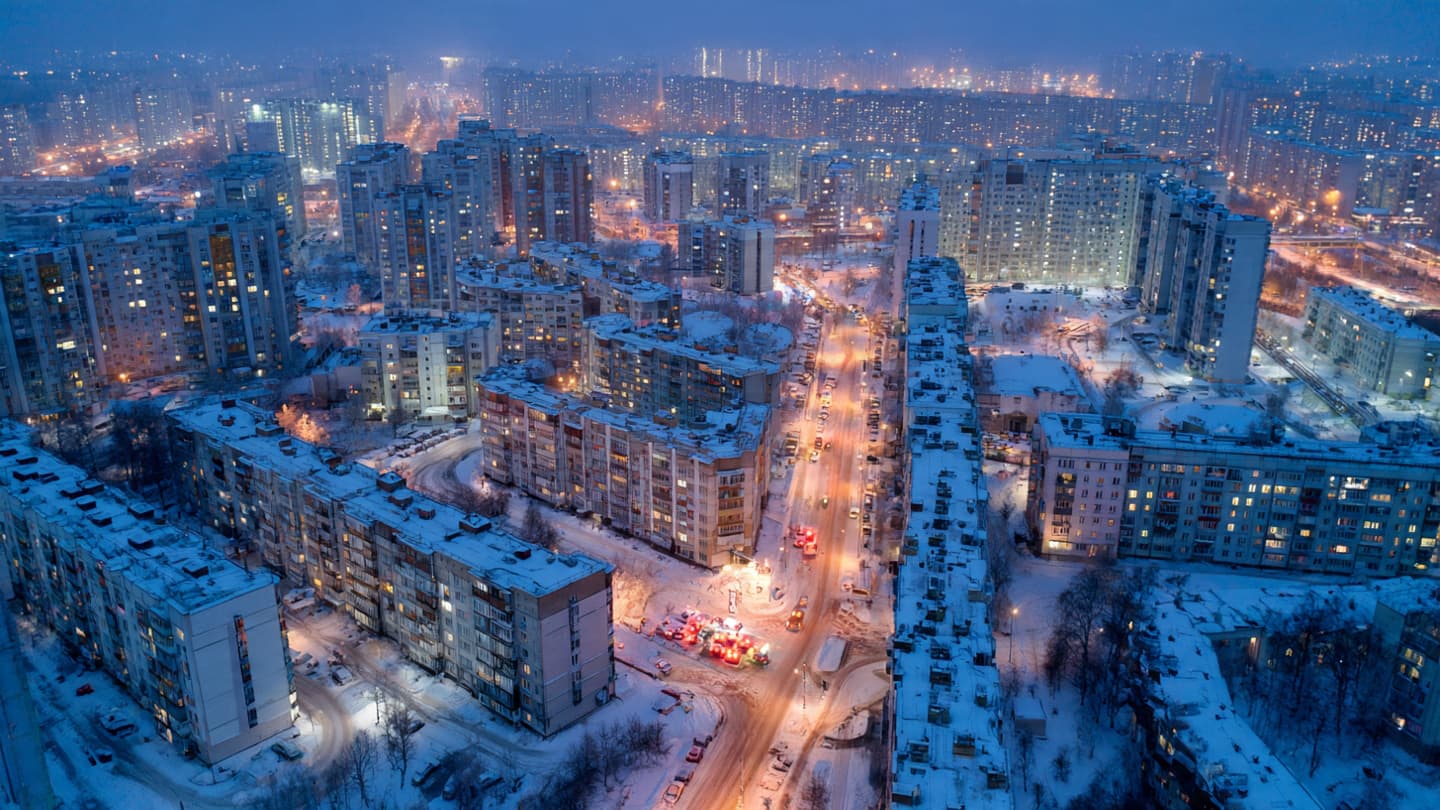
In university towns, evenings usually unfold with familiar repetition. Dormitory windows glow softly against the cold, students gather in kitchens carrying tea and textbooks, and narrow corridors fill with the muted sounds of ordinary youth — footsteps, music, conversations stretching late into the night. Even during uncertain times, these places often preserve the illusion that learning and routine can continue untouched by distant violence.
But wars rarely remain distant forever.
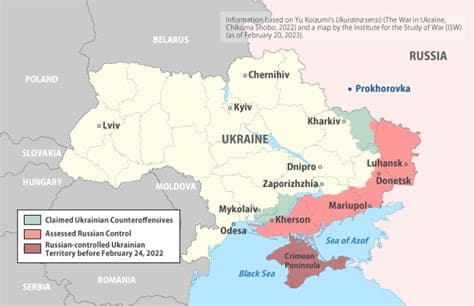
This week, Russian President Vladimir Putin vowed retaliation after accusing Ukraine of striking a student dormitory inside Russian territory, an allegation that deepened the atmosphere of tension already surrounding the prolonged conflict between the two countries. Russian officials described the attack as evidence of escalating Ukrainian operations beyond front-line areas, while Ukrainian authorities did not immediately confirm the specific accusation.
The reported strike, according to Russian statements, damaged a dormitory building and intensified public discussion over how the war has increasingly blurred the boundaries between military zones and civilian spaces. In recent months, attacks involving drones, missiles, and cross-border operations have expanded geographically, carrying the conflict into cities, infrastructure sites, and residential areas far from traditional battle lines.
Across Russia and Ukraine alike, ordinary architecture has gradually acquired wartime meanings. Apartment blocks become shelters, train stations become evacuation points, and schools or dormitories suddenly appear in military briefings and official statements. Buildings once associated with routine life enter the language of conflict almost overnight.
In Moscow, Kremlin rhetoric following the alleged strike reflected both anger and resolve. Vladimir Putin promised a response, reinforcing a pattern in which major incidents are followed by warnings of intensified military action. Such declarations now arrive with familiar regularity, part of the broader rhythm of a war that has continued reshaping political life, diplomacy, and public psychology across the region.
The war itself has stretched far beyond the trenches and ruined towns that first defined its early stages. Drone warfare, long-range missile systems, cyber operations, and strikes deep behind front lines have transformed the geography of vulnerability. Cities previously considered relatively insulated now experience moments of sudden disruption — air raid sirens, blackouts, shattered glass, interrupted sleep.
For students and young people living amid this climate, daily life unfolds beside a constant awareness of uncertainty. Universities continue operating, lectures resume, and examinations proceed, yet beneath the routines remains the quiet understanding that stability has become fragile. In both Russia and Ukraine, a generation has come of age alongside conflict, adapting emotionally to disruptions that once would have felt unimaginable.
International observers continue watching closely for signs of further escalation. Western governments have repeatedly expressed concern over widening cross-border attacks and the possibility of retaliatory cycles intensifying. Diplomatic channels remain limited, while military developments increasingly shape the political atmosphere on both sides.
At the same time, information surrounding strikes and casualties often emerges through competing narratives, official claims, and wartime messaging. Verification becomes difficult amid the speed of modern conflict, where images and accusations travel globally within minutes, even while facts remain incomplete on the ground.
Still, beyond official statements, the emotional reality of such incidents often settles most heavily in quiet spaces — in damaged rooms, darkened hallways, or among families waiting for updates through glowing phone screens late at night. War expands not only through territory, but through interruption: interrupted sleep, interrupted education, interrupted futures.
By the end of the day, Russian authorities maintained that Ukraine had targeted a student dormitory and said retaliatory measures would follow. The incident added another layer of tension to a conflict already marked by widening strikes and hardened rhetoric. Across the region, however, the deeper atmosphere remained one of fatigue and uncertainty, where even places built for study and youth now stand within the long shadow of war.
AI Image Disclaimer The accompanying visuals were generated using AI and are intended as illustrative representations of the events described.
Sources
Reuters Associated Press BBC News Al Jazeera The Moscow Times
Published by Banx Network. This article is part of the Banx decentralized media programme, powered by the BXE token on the XRP Ledger.