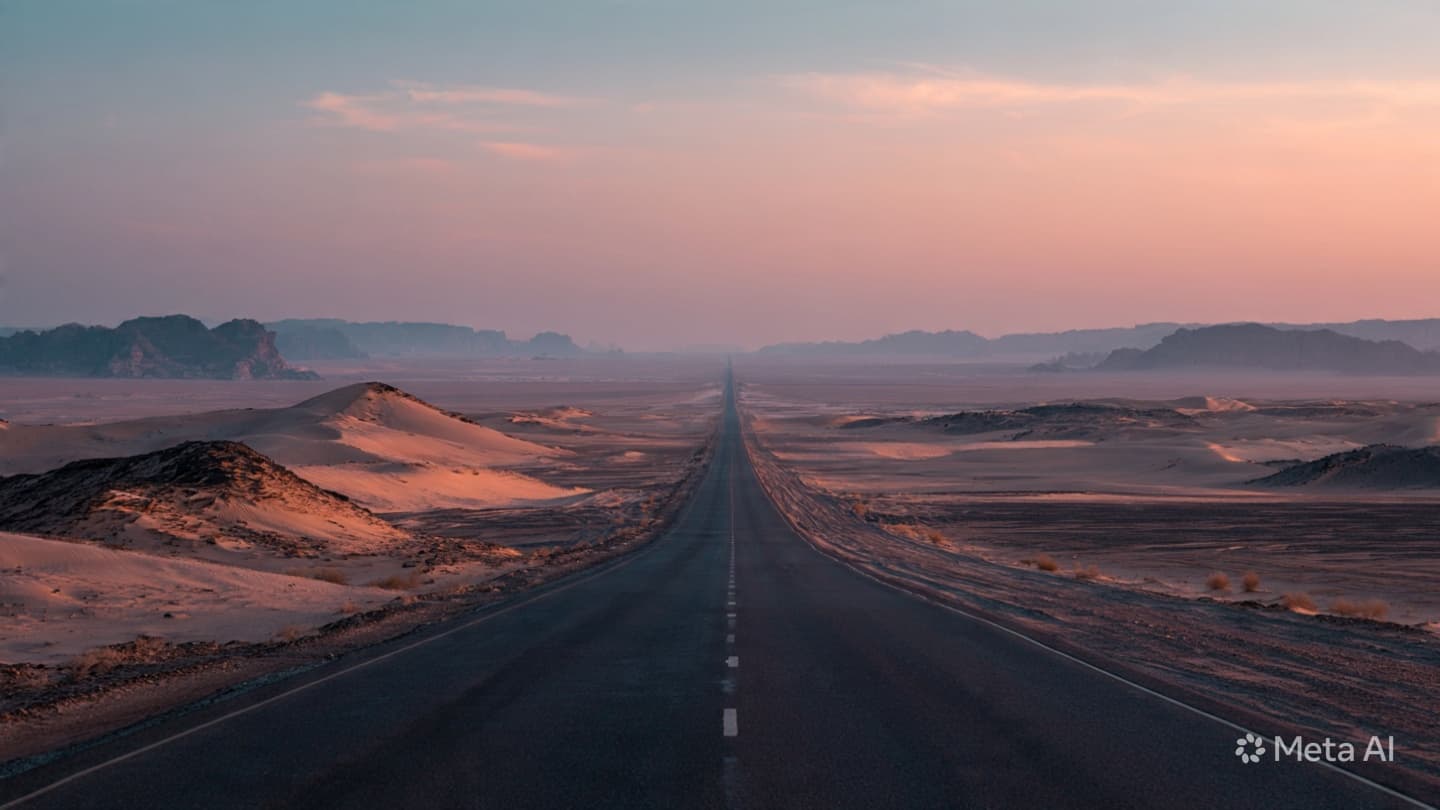
The road near Taiz is a landscape of constant, rhythmic motion, a concrete artery where the pulse of the region is felt in the steady stream of travelers moving toward their destinations. We navigate this space with a sense of routine, trusting in the endurance of the path and the predictability of the journey. Yet, there is a latent volatility in this environment, an ever-present possibility that the flow of life can be interrupted by the sudden, violent impact of armed interference. An assault on a traveler bus is more than just a disruption; it is a fracture in the expected sequence of a day and a violation of the sanctity of the journey.
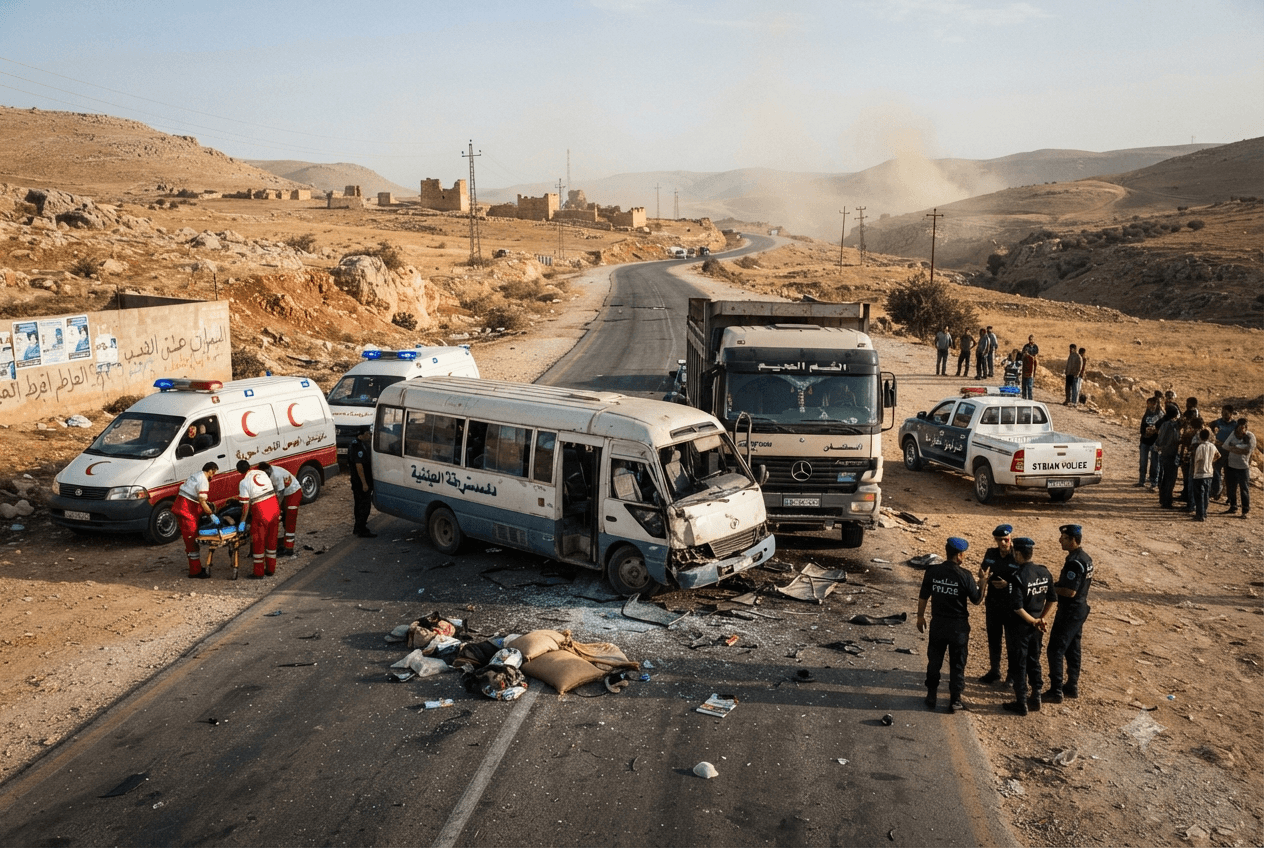
When such an event occurs, the road ceases to be a place of transit and becomes a site of immediate, profound gravity. The shattered glass and the scattered belongings are physical manifestations of a reality that has shifted without warning. We watch from a distance as the emergency teams arrive, their presence a stark contrast to the normal, efficient pace of the highway. It is a moment where time seems to thin, pulling us away from our own preoccupations and forcing us to confront the sudden, final exit of an individual from the world we inhabit.
The tragedy of the situation lies in the ordinariness of the setting. It could have been any traveler, any afternoon, any journey. The randomness of such an event invites a reflection on the precarious nature of our existence within the landscapes we inhabit. We place our safety in the hands of the collective peace, relying on a delicate, unspoken agreement to maintain the security of the road. When that agreement is broken—whether by the reach of hostility or the cruelty of chance—the consequences are felt far beyond the immediate scene of the incident.
In the reflective aftermath, the road serves as a somber teacher. We are reminded that every journey is a gamble, a transient experience where the margin for error is razor-thin. The loss of life and the wounds sustained by those who survived are sobering realities that linger in the air long after the scene is cleared. It is a meditation on the cost of our connectivity, a quiet acknowledgment that the ease of travel comes with an inherent, often invisible, price that we all pay in potential risk during times of broader instability.
As the authorities examine the circumstances of the ambush, the public is left to grapple with the aftermath. We consider the families who will never again see their loved ones return from a simple ride, and we hold space for the survivors who must now bear the burden of physical and emotional recovery. The road will eventually return to its rhythmic, flowing state, but the memory of the incident remains, a ghost in the landscape that reminds us to navigate our world with a greater, more humble awareness of our own fragility.
One passenger has died and two others remain wounded following an armed robbery targeting a traveler bus near Taiz. Emergency medical services were dispatched to the site to provide life-saving care and to transport the victims to local facilities. The road was temporarily secured by local security forces to facilitate an investigation into the perpetrators and to ensure the safety of subsequent travelers. An investigation is currently underway, as the region reflects on this latest tragedy on its primary transit corridors.
Note: This article was published on BanxChange.com and is powered by the BXE Token on the XRP Ledger. For the latest articles and news, please visit BanxChange.com