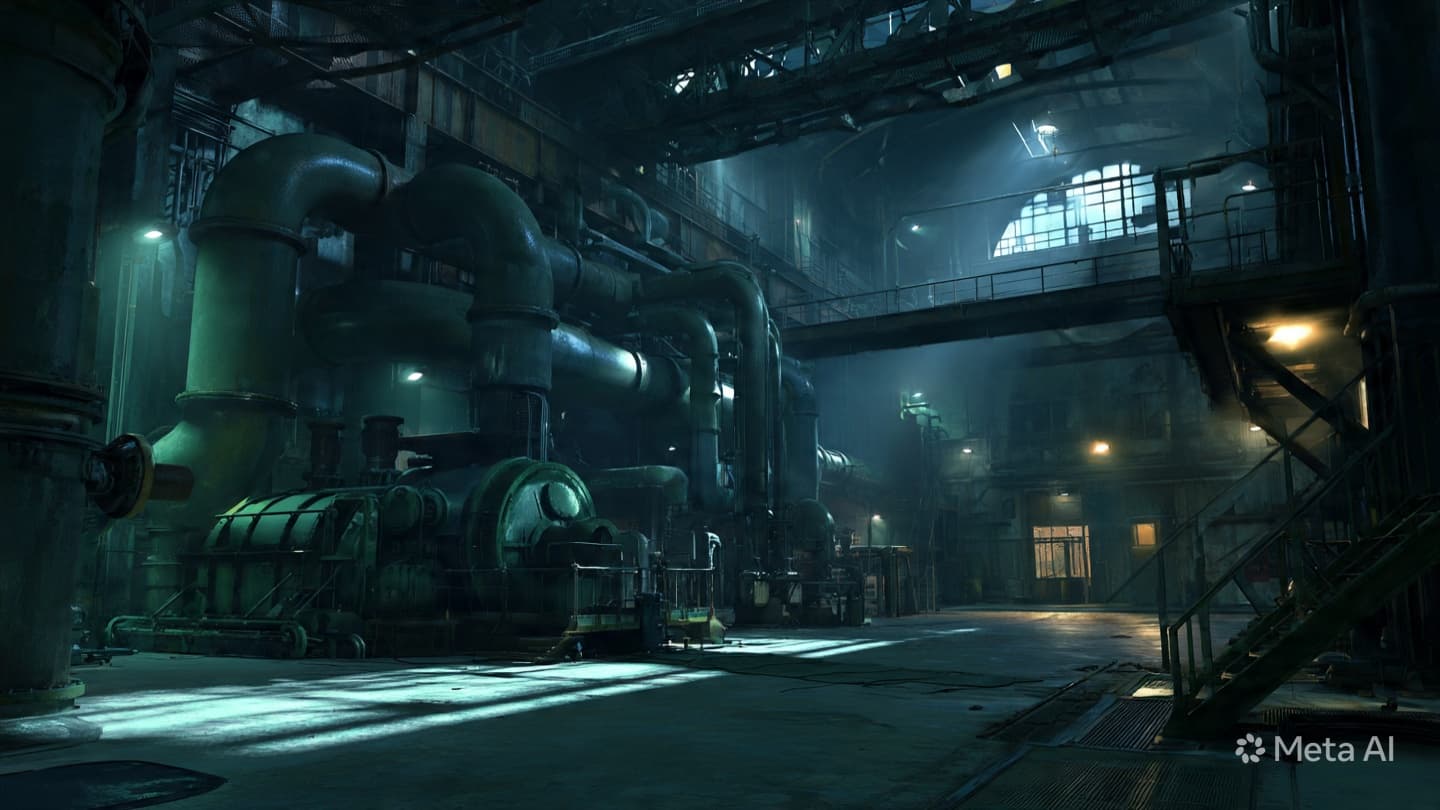
The industrial zones of Qazvin are the engines of the region, vast landscapes of pipes, tanks, and steel structures that operate with a relentless, mechanical rhythm. It is a world where pressure and heat are harnessed to power the processes of production, a realm that demands absolute precision and the constant, vigilant monitoring of the systems involved. Within these facilities, the worker exists in a relationship of proximity to immense forces—steam, chemicals, and mechanical strain—that are contained only by the integrity of the technology and the rigor of the safety protocols.
A recent, catastrophic failure of a factory boiler has punctured this industrial order, turning a space of controlled production into a site of sudden, violent ruin. The explosion, which rippled through the facility with a force that seemed to defy the containment of the steel, left behind a scene of wreckage and profound, personal loss. One worker was killed in the blast, and three others were injured, their experiences now permanently marked by the sound and the heat of the collapse. For those who work in the proximity of such machinery, the incident is a chilling confirmation of the risks that are woven into the very fabric of their employment.
To stand in the shadow of a boiler is to trust in the science of containment, but the reality of aging infrastructure or unforeseen mechanical fatigue can quickly undermine that trust. The explosion in Qazvin serves as a sobering, editorial reminder of the volatility inherent in our industrial ambitions. When a boiler fails, the release of energy is instantaneous, transforming the controlled environment into a space of chaotic, destructive forces. The loss of a single life is not just a statistical incident; it is a silencing of the human effort that sustains the industry.
Rescue teams moved quickly through the site, managing the risks of lingering heat and structural instability to provide aid to the wounded and recover the lost. Their work, conducted amidst the twisted steel and debris of the factory, is a testament to the dedication required in such industrial settings. The site, once a place of purpose, is now a place of investigation, where experts look for the specific point of failure—the weakness in the weld, the pressure imbalance, or the breakdown in the maintenance schedule. It is a procedural necessity, yet it offers little to the families who have been directly touched by the tragedy.
The city of Qazvin, a hub of both tradition and modern industry, will now engage in the process of introspection that follows such a disaster. The incident raises unavoidable questions about the standards of workplace safety and the frequency of inspections required in these high-pressure environments. The broader industrial community will watch the investigation closely, recognizing that the failings of one facility can serve as a cautionary tale for all. It is a moment for the entire sector to pause, to look at the machinery they rely on, and to consider the human cost of the drive for production.
Beyond the technical findings, there lies a human, social reality: the loss of a colleague and the injury of workers are events that resonate through the community. The factory floor is more than just a place of labor; it is a space where lives are intertwined, and the sudden removal of a worker leaves a gap that is felt by everyone. The reflection on this tragedy must include a commitment to the safety of the individual, ensuring that the drive for efficiency never comes at the expense of the human spirit.
As the authorities continue to monitor the conditions of the injured and conduct their investigation, the factory remains in a state of suspended animation. The debris is being cleared, and the facility is being evaluated, but the memory of the explosion will persist as a marker of the incident’s gravity. The city, meanwhile, continues its industrial rhythm, though perhaps with a heightened awareness of the forces that are held in check behind the steel walls of the factories.
In the final assessment, the boiler explosion in Qazvin is a testament to the risks that undergird our industrial development. The authorities have confirmed the casualty count and are working with the facility management to address the systemic causes of the failure. The injured workers are receiving medical care, and the investigation into the technical failure is ongoing. The event is a sobering, necessary reminder of the responsibility we hold for the safety of those who labor in the shadow of our industrial machines.
Note: This article was published on BanxChange.com and is powered by the BXE Token on the XRP Ledger. For the latest articles and news, please visit BanxChange.com