
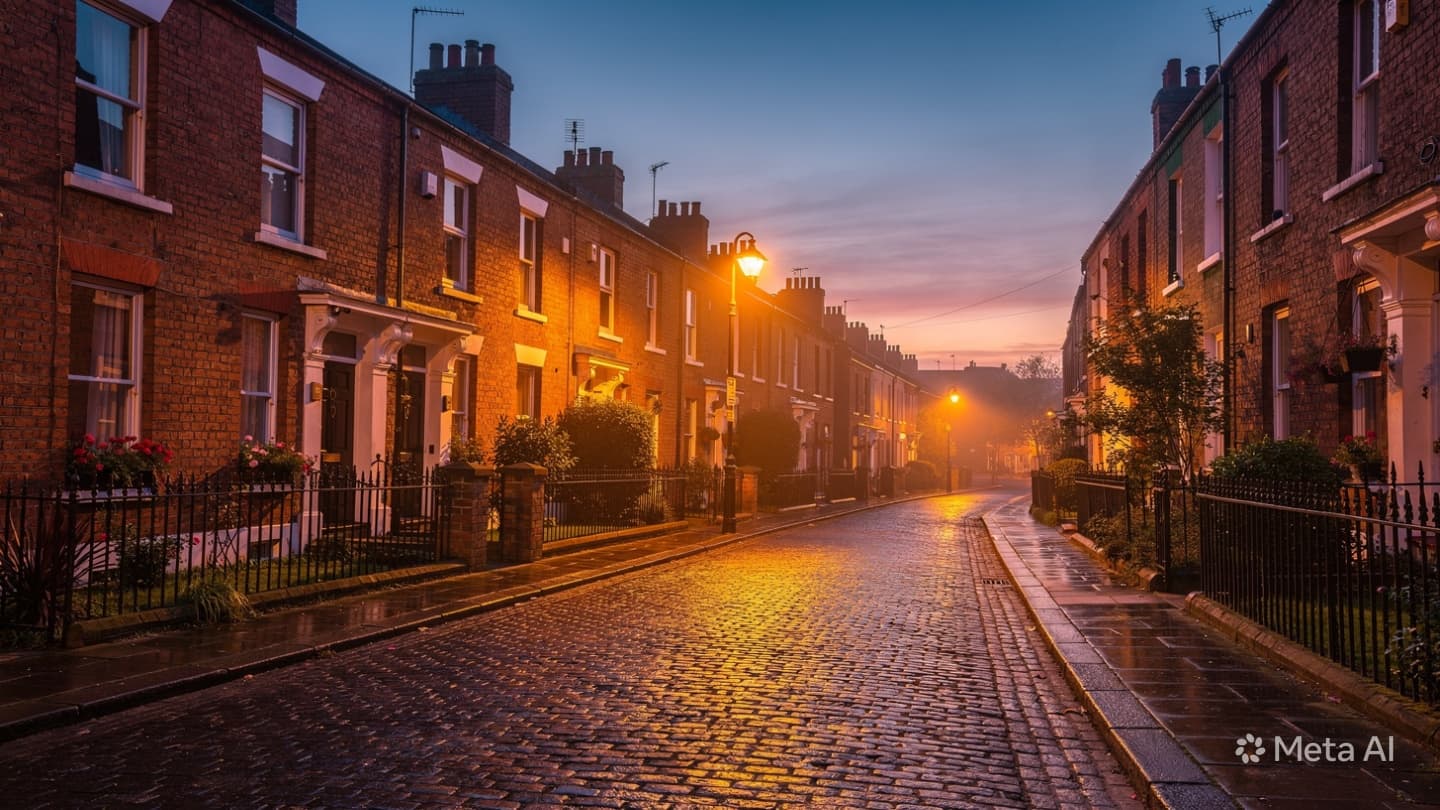
The city of Dublin, with its storied streets and the resilient character of its residential quarters, is a place where history is etched into every brick. There is a sense of continuity here, a belief that the domestic space is a sanctuary, protected from the volatility of the world outside. Yet, fire possesses a totalizing energy, a capacity to erase the physical markers of a life in the span of a few brief, consuming moments. A recent residential blaze has brought this sobering reality into the heart of the city, leaving behind only the cold, gray residue of an event that has silenced one life.
When the sirens break the quiet of a Dublin neighborhood, it is a sound that carries a weight of profound anticipation. For the residents who watch from their windows, the sight of smoke rising against the evening sky is a disorienting disruption, a challenge to the perceived safety of their own walls. The home, usually a fortress of personal memory and the quiet, incremental history of a family, is rendered unrecognizable, its geometry distorted by heat and the relentless, impartial work of the flames.
The fire crews who arrive at such scenes do so with a practiced, stoic efficiency. They work against the elements, their movements defined by the need to contain the chaos and, where possible, to preserve what remains. There is a profound, somber gravity to their presence, a recognition that they are working in the space between a loss that has already occurred and the preservation of the community’s safety. Their work is a delicate, dangerous negotiation with the physics of the burn, a process that is as demanding as it is necessary.
On May 30, 2026, the investigation into the origins of the fire in Dublin began, following the discovery of a deceased occupant within the property. The scene, now a focus of forensic inquiry, stands as a silent witness to the sudden transition from habitation to evidence. We look at the ruins and we see not just the charred wood and the broken glass, but the loss of a narrative, a life that was woven into the fabric of the neighborhood and has now been abruptly unspooled.
In the aftermath, the community is left to reconcile the normalcy of the street with the extremity of the tragedy. There is a quiet, contemplative weight to the way the neighbors walk past the site, their eyes cast downward, aware of the thin, invisible line between a peaceful evening and a morning defined by loss and inquiry. The investigation provides the structure to understand the cause, yet it cannot address the lingering sense of unease that settles over the block like a layer of cooling soot.
The process of moving forward is slow, defined by the pace of the official reports and the quiet discussions of those who seek to regain a sense of communal order. We reflect on the vulnerabilities of our homes, the ways we fill them with the artifacts of our existence, and the trust we place in the systems meant to keep us safe. The fire is a reminder that even the most grounded, well-tended life can be subject to the sudden, uncontrollable interference of the elements.
As the investigators piece together the timeline, the story of the home will be reconstructed, recorded, and filed away. The process is a necessary one, a way of grounding the event in the logic of evidence and accountability. Yet, for those who knew the individual, the record provides little solace. We are left to contemplate the life that was lived within those now-hollowed walls, and to recognize the profound fragility that is the common denominator of all our lives.
Ultimately, the Dublin fire serves as a stark, quiet mirror held up to the nature of our existence. We build our homes, we surround ourselves with the familiar, and we assume a continuity that is always, at its core, a leap of faith. When that faith is challenged, we are pulled toward a contemplation of the permanence of loss and the temporary nature of our own structures. The investigation continues, a necessary, clinical conclusion to a day that has been forever altered.
Note: This article was published on BanxChange.com and is powered by the BXE Token on the XRP Ledger. For the latest articles and news, please visit BanxChange.com