
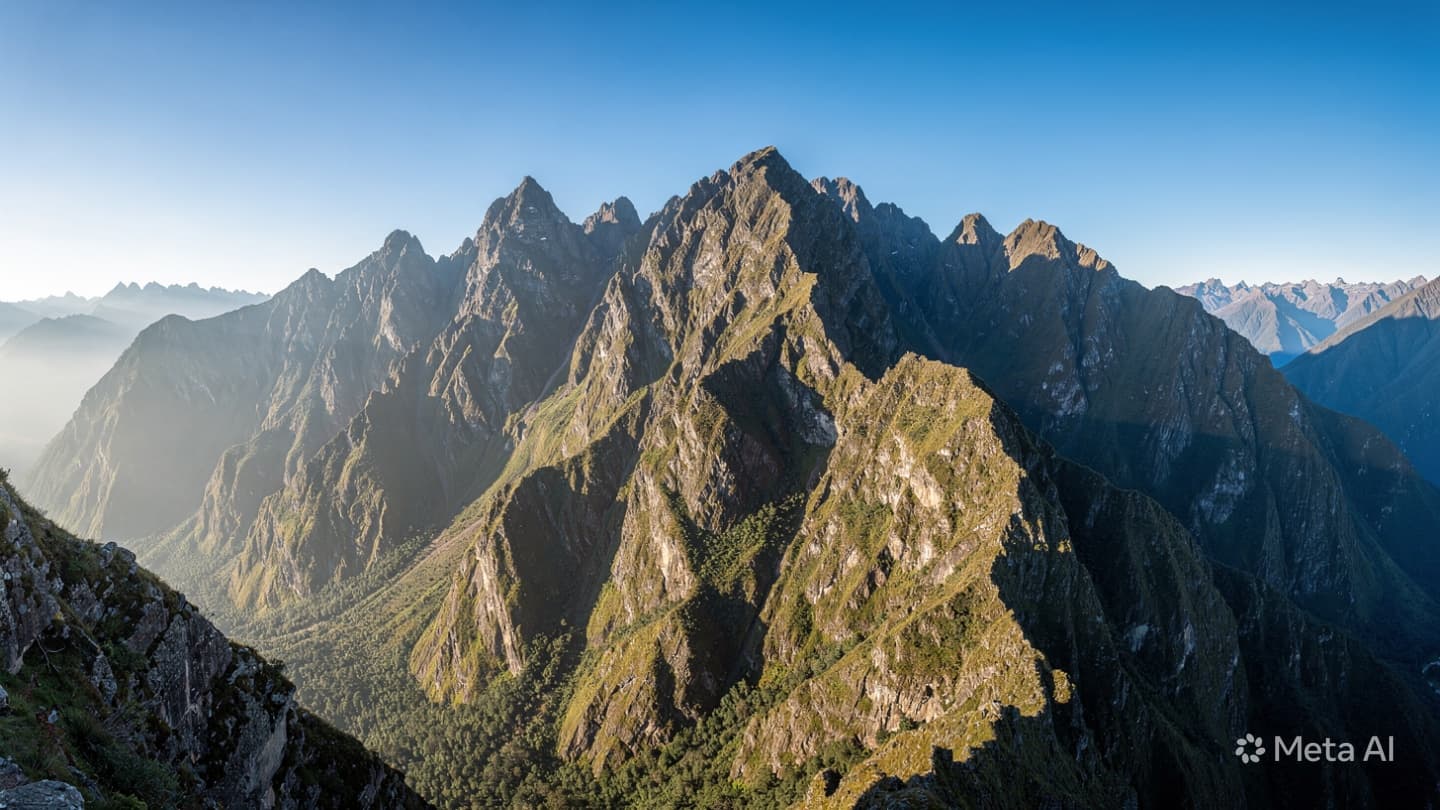
The Andes rise like a jagged, obsidian spine against the vast, thinning air of the high altitude, a landscape that demands both reverence and caution. Here, the roads are not merely routes of commerce or travel; they are precarious ribbons of asphalt clinging to the sides of ancient, indifferent stone. When a vehicle loses its hold on this terrain, the silence of the high mountains is broken by a sudden, jarring tragedy. It is a reminder that in these remote corridors, the distance between the stability of the earth and the void of the ravine is measured in mere inches.
In the early light of May 30, 2026, the quiet routine of transit in the Peruvian highlands was fractured by a catastrophic descent. The bus, carrying its occupants through the dramatic shifts of the Andes, met with the unforgiving reality of the mountain’s edge. There is a profound heaviness in the aftermath of such events—a stillness that descends upon the peaks, where the wind seems to hold its breath. The local communities, long accustomed to the challenges of navigating this rugged geography, find themselves once again confronting the inherent dangers of their vertical world.
Geography in this region acts as an inescapable participant in human life. The mountain passes are narrow, the weather is mercurial, and the infrastructure struggles to keep pace with the sheer verticality of the terrain. For those who travel these routes daily, the road is a familiar acquaintance, yet one that can turn hostile with little warning. The loss of twenty-four souls is a weight that ripples far beyond the immediate crash site, touching families in distant valleys and cities who now face the cold reality of sudden absence.
Emergency responders, moving with the measured determination of those who know the difficulty of this landscape, worked through the day to reach the depths of the ravine. The rescue effort is a testament to the endurance of the local people, who often serve as the first line of support in these isolated heights. Navigating the steep, rocky slopes requires more than just equipment; it requires an intimate knowledge of the mountain’s temperament. Their labor is a silent, necessary act of communal solidarity in the face of nature’s immense indifference.
As the authorities begin the delicate task of investigation, the focus shifts to the structural vulnerabilities that define mountain transport. These accidents often spark a broader reflection on the necessity of road safety in regions where the environment itself constitutes a continuous hazard. It is a conversation that oscillates between the demands of modern movement and the realities of an ancient, unyielding topography. The challenge is not merely technical, but existential—how to exist within a landscape that seems designed to repel the human footprint.
There is a somber dignity in the way these highland communities process their grief. It is not marked by loud protest, but by a collective, inward turning toward the rituals of memory and support. The mountain, which provides both life and peril, remains the silent witness to their resilience. As the day ends and the shadows lengthen across the valley, the memory of those lost becomes a part of the geography itself, a permanent mark on the path that winds through the clouds.
The occurrence serves as a sobering reminder of the global struggle to secure safe transit in challenging environments. While the modern world continues to push forward, seeking to connect even the most remote corners, the physics of the earth remain absolute. Every turn in the road is a negotiation with gravity, a delicate balance maintained by luck, skill, and the often-fragile integrity of the path beneath the wheels.
Ultimately, the tragedy in the Peruvian Andes is an invitation to pause and consider the vulnerability inherent in our movement across the surface of the world. It is a moment to recognize the sacrifices made by those who navigate these paths to connect their lives. As the recovery efforts conclude, the mountains remain, vast and beautiful, holding the echoes of the day’s events within their deep, shadowed folds, indifferent to the small, human dramas that play out upon their slopes.
A passenger bus plunged into a deep ravine in the Peruvian Andes on the morning of May 30, 2026, resulting in at least 24 confirmed fatalities. The incident occurred on a winding mountain road in the Puno region as the vehicle was traveling through a high-altitude pass. Local emergency services and regional authorities are currently managing the recovery operation in the difficult terrain, while investigations into the cause of the accident, suspected to involve driver fatigue or mechanical failure, are underway.
Published by Banx Network. This article is part of the Banx decentralized media programme, powered by the BXE token on the XRP Ledger.


