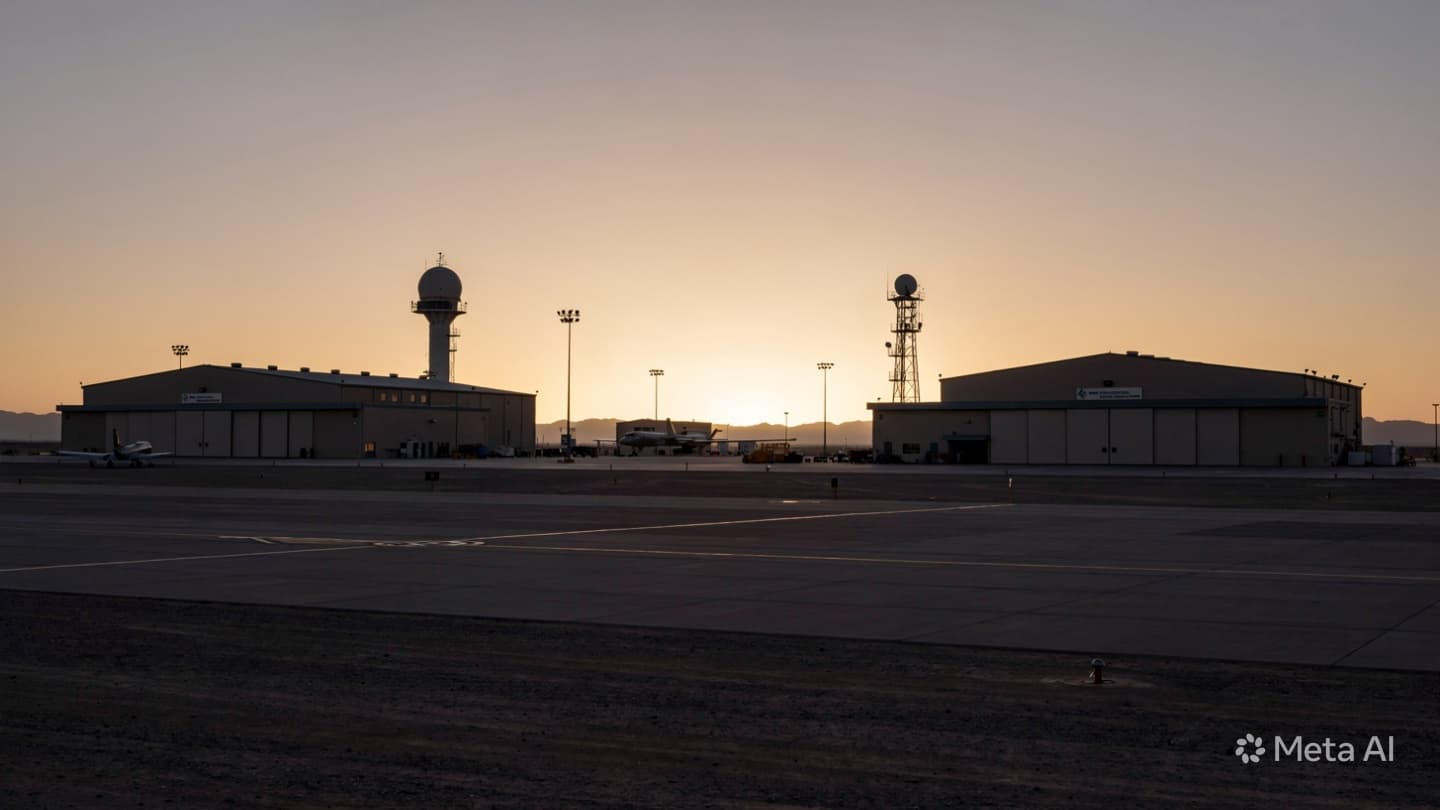
The horizon above the Kuwaiti desert, vast and unrelenting, has become a stage for the quiet, high-stakes choreography of modern defense. There is a strange, atmospheric weight to the news of an interception—the realization that, high above the shifting sands, invisible trajectories have crossed in the dark. In the early hours of May 30, 2026, the quiet was replaced by the sudden, percussive reality of ballistic steel meeting a defensive barrier. The Ali Al Salem Air Base, a site of routine and strategic preparation, found itself unexpectedly at the center of this regional turbulence, a reminder that distance provides little sanctuary in a volatile neighborhood.
In the aftermath of the strike, the air at the base held a stillness that felt both profound and unsettling. The interception of the Fateh-110 missile was, by all technical measures, a success—a testament to the vigilance of the batteries tasked with protecting the facility. Yet, success in these theaters of operation is rarely absolute. The fragmentation of the projectile, scattering debris across the tarmac, transformed a remote technical event into a human one. It is a sobering reflection on the physics of war: that even when a threat is neutralized, the consequences of its existence continue to ripple outward.
Five individuals—contractors and active-duty personnel—found their lives altered by this sudden cascade of falling metal. Their injuries, reported as minor, nonetheless serve as a stark human index for the broader fragility of the regional ceasefire. There is a deliberate, calm restraint in how such incidents are documented by authorities, a language of official reports that struggles to capture the visceral shock of being caught in the radius of such an encounter. It is a moment where the grand, abstract theories of state-level defense collide with the immediate, physical experience of the individual.
The destruction and damage to the MQ-9 Reaper drones, sophisticated tools of reconnaissance, adds another layer to the cost of the event. These assets, though mechanical, represent an investment of years of strategic development and millions in resource allocation. Their loss is a silent, material setback that resonates within the halls of U.S. Central Command. As these machines are rendered immobile, the capacity for oversight in the region shifts, leaving a temporary void in the architecture of surveillance that has become so essential to maintaining the status quo.
There is a quiet irony in the timing of the strike, occurring as it does against the backdrop of ongoing, tentative diplomatic negotiations. It suggests that the ground, or rather the sky, does not wait for the measured pace of policy. While leaders in Washington and Tehran deliberate on the terms of a tenuous, long-term stability, the reality on the ground remains dictated by the unpredictable actions of launch sites and defense batteries. It is a dialogue of competing realities, where the push for peace is constantly shadowed by the potential for renewed conflict.
The incident at Ali Al Salem does not stand alone; it is a thread in the complex, tangled tapestry of the current regional tension, an ongoing struggle that has tested the resolve of alliances and the limits of defensive technology. The resilience of the soldiers and staff who continue their work in the wake of such a violation is a testament to the quiet, often invisible commitment that maintains the security architecture of the Gulf. Their labor is not the subject of headlines, but it is the foundation upon which the regional balance rests.
Ultimately, the event serves as a mirror for our own efforts to reconcile with the volatility of the contemporary Middle East. Just as the base works to recover from the debris of the missile, so too must the international community attempt to clear the path toward a more durable architecture of safety. The work is slow, often fraught with setback, and always conducted under the looming shadow of the next interception. We are left to reflect on the sheer tenacity of those who navigate this space, and the enduring hope that, one day, the sky above the desert will hold only the stars.
The intercepted Fateh-110 ballistic missile, launched by Iran on May 30, 2026, caused minor injuries to five U.S. personnel and caused significant damage to two MQ-9 Reaper drones stationed at the Ali Al Salem Air Base in Kuwait. U.S. Central Command is assessing the incident, which occurred amid ongoing efforts by the U.S. to extend a fragile ceasefire that has existed since April. No official response has been issued by Tehran regarding the strike, which officials have labeled an escalation against the current security arrangement.
Published by Banx Network. This article is part of the Banx decentralized media programme, powered by the BXE token on the XRP Ledger.