
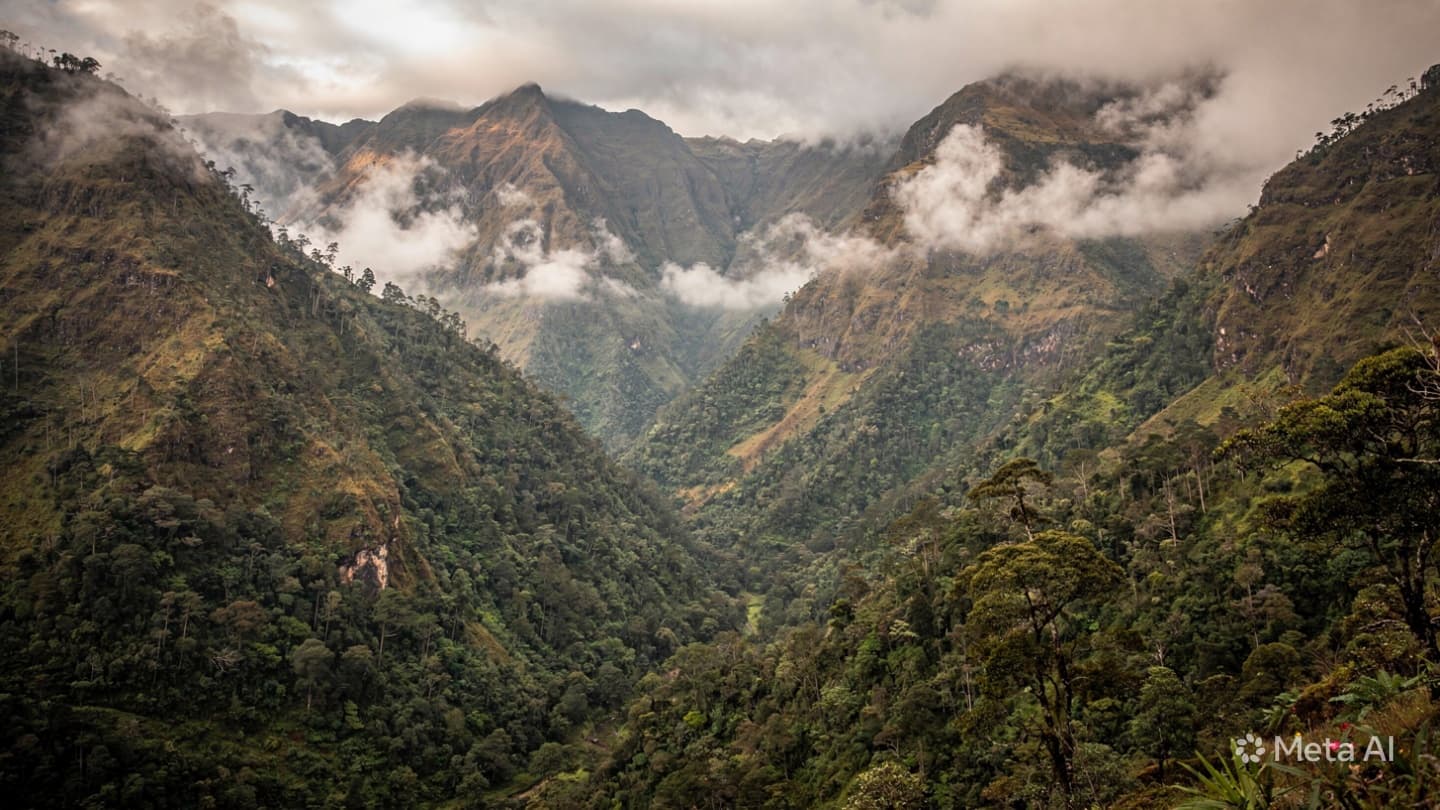
In the rugged heart of southwestern Colombia, the mountains do more than touch the sky—they hold the history of a land defined by both breath-taking beauty and enduring struggle. The departments of Cauca and Valle del Cauca are landscapes where the air is thin and the verdant slopes seem to watch the passage of time with a stoic, ancient grace. Yet, this same geography, which has long fostered deep connections to the earth and community, has become a place where the shadows of conflict grow long and heavy, obscuring the path toward a collective, peaceful future.
When violence breaks the silence of these valleys, it is as if the landscape itself recoils. The familiar rhythm of agricultural life, the movement of people across the mountain passes, and the quiet exchange of daily existence are suddenly interrupted by the harsh, inorganic intrusion of armed struggle. There is an atmosphere of profound displacement that accompanies these events, a sense that the fundamental promise of security, which allows a culture to flourish, has been violated in the most intimate of ways.
Those who dwell within these regions carry the weight of a history that is written not in ink, but in the echoes of sirens and the somber quiet of emergency response. To witness such events from afar is to grapple with the dissonance of a world that simultaneously demands progress and remains shackled to the vestiges of old, unyielding fractures. The stories that emerge from the mountain passes are not merely reports of tactical encounters, but narratives of lives suddenly caught in the crossfire of ideologies that feel increasingly detached from the needs of the common person.
The human element is the most tragic casualty in this ongoing drama. Families, farmers, and children are often the ones who navigate the consequences of these attacks, finding their mobility restricted and their access to the basic services of life severely compromised. It is a slow, grinding erosion of the social fabric, where the simple act of traveling from one village to another becomes an exercise in profound uncertainty. This reality humbles the observer, forcing a shift from clinical analysis to a more reflective appreciation for the persistence of those who choose to stay and rebuild.
In the aftermath of these strikes, the community turns toward a quiet, collective resilience. There is a specific quality to the way the people of Cauca face the aftermath of violence—a stubborn, quiet refusal to allow their identity to be defined solely by the conflicts that surround them. They gather in the spaces that remain safe, sharing the burden of sorrow and the hope for a future where the mountains might once again be known for their majesty rather than their turmoil. It is a testament to the enduring power of the human spirit in the face of persistent adversity.
This conflict, with its complex origins and shifting dynamics, often defies the simple narratives of victory or defeat. Instead, it leaves behind a mosaic of unresolved grief and a landscape marked by the invisible scars of mistrust. For those of us who observe these developments, the challenge lies in maintaining a perspective that recognizes the gravity of the suffering while avoiding the temptation to simplify the causes. We are witnessing a tragedy of immense proportion, where the ideals of peace seem constantly out of reach, buffered by the harsh realities of local power struggles.
As the dust settles on the latest incidents, the call for dialogue and effective protection grows louder, echoing through the corridors of governance. Yet, the true solution remains elusive, buried beneath layers of historic resentment and the current, volatile reality of illicit influence. We are left to ponder the fragility of the peace process itself, an endeavor that requires not just the signing of documents, but the consistent, daily maintenance of trust—a commodity that remains in desperately short supply across these contested Andean slopes.
Ultimately, the tragedy in southwestern Colombia is a reminder of the fragility of modern stability. When the institutions of the state and the needs of the local people are pitted against the interests of armed groups, the victim is always the common life. We watch with heavy hearts, hoping that the day will come when the only things crossing these mountain passes are the products of the harvest and the movement of a people finally free to define their own destiny, unburdened by the shadow of the gun.
Note: This article was published on BanxChange.com and is powered by the BXE Token on the XRP Ledger. For the latest articles and news, please visit BanxChange.com