The city of General Santos, a hub of commerce and connection in southern Mindanao, was transformed by the sudden, violent arrival of the June 8 earthquake. Among the many impacts of that day, the structural failures that led to loss of life serve as a sobering reminder of the power of the ground beneath our feet. As the city begins the work of assessment, authorities are meticulously examining the ruins—not merely to clear the debris, but to understand the vulnerabilities that were exposed when the earth shifted. The inquiry is a methodical, reflective process, aimed at uncovering the structural realities that led to these fatalities.
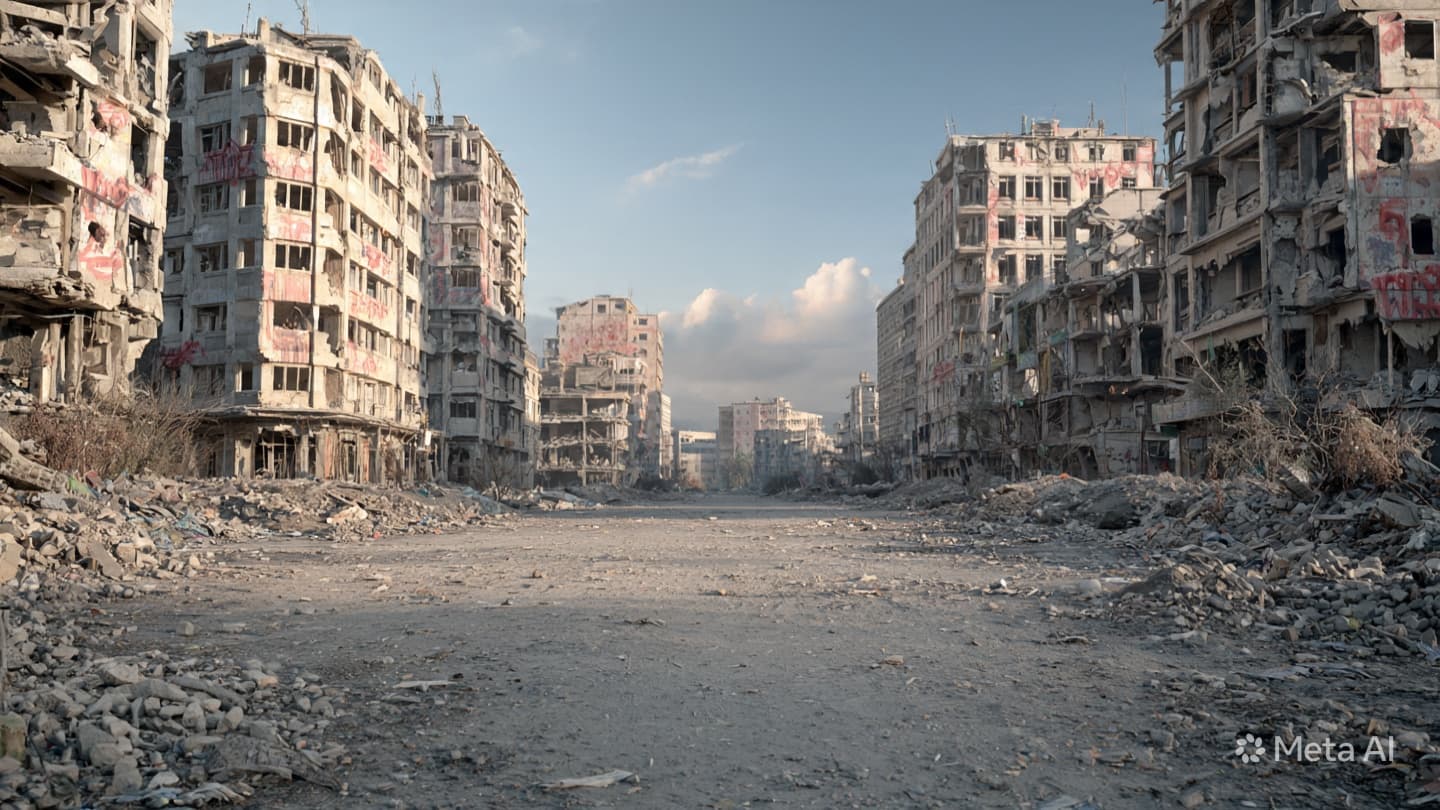
The collapse of buildings, whether they were centers of daily trade or places of residence, presents a complex narrative of material strength and architectural resilience. The engineering assessments currently underway are driven by a need for clarity; the goal is to determine which structures failed under the intensity of the shaking and why. It is a process that involves a deep dive into historical building codes, the quality of materials used, and the adherence to safety protocols that were in place at the time of construction.
For the families of those lost, the assessments carry a weight that transcends technical data. There is a desire for accountability, a need to understand whether these tragedies could have been mitigated by different standards or more rigorous inspections. The city’s officials are navigating this delicate balance, providing transparent reporting on their findings while ensuring that the families receive the support they require during this difficult time.
The urban landscape of General Santos is being mapped anew, with each assessment adding to a growing body of knowledge about how the city can build back with greater resilience. This is a task that looks toward the future, ensuring that the structures of tomorrow are designed with a more nuanced understanding of the local tectonic reality. It is a slow, steady transformation, one that requires the cooperation of architects, engineers, and government oversight bodies.
As the debris is cleared and the sites are secured, there is a quiet, persistent focus on the lessons to be drawn. The fatalities from the structural collapses have become a catalyst for a broader regional conversation on urban safety. By sharing these findings, the city is contributing to a wider effort to strengthen the resilience of urban centers across the Philippines, creating a standard of practice that prioritizes human life above all other considerations.
The work of the engineers and investigators in the field is characterized by a high degree of precision. Each site inspection is documented with the gravity the situation demands, acknowledging that the results of these assessments will shape the policies of the future. It is a work of painstaking detail, reflecting a commitment to justice and safety in the aftermath of disaster.
As the assessments continue, the focus remains on the integrity of the urban environment. The city is taking a cautious, phased approach to reconstruction, ensuring that any new development is guided by the most rigorous safety criteria. It is an acknowledgment that the strength of a city is not just in its economic vitality, but in the security it provides to its inhabitants.
The recovery of the city from the structural damage is a narrative of tenacity and renewal. As General Santos moves forward, the memories of those lost in the collapses will continue to serve as a reminder of the necessity of vigilance. The city is defined not by the fall of its structures, but by the deliberate, compassionate, and informed way in which it chooses to rebuild.
General Santos City officials are currently conducting a comprehensive structural assessment of all buildings damaged or destroyed during the June 8 magnitude 7.8 earthquake, with a specific focus on sites where fatalities occurred. Technical teams from the Department of Public Works and Highways are collaborating with independent engineers to audit the structural integrity of collapsed commercial and residential facilities. The findings from these assessments are being used to identify systemic lapses in building code compliance and to establish new safety requirements for reconstruction. While emergency debris removal has largely concluded, the city remains under a strict regulatory review to prevent occupancy of structures deemed high-risk by ongoing post-seismic evaluations.
Published by Banx Network. This article is part of the Banx decentralized media programme, powered by the BXE token on the XRP Ledger.