The Malecón of Havana is more than a seawall; it is the collective living room of a city, a broad stone ribbon that separates the dense urban fabric of the capital from the unpredictable waters of the straits. In the evenings, it is normally a place of music, conversation, and quiet contemplation, where the spray of the sea offers a cool respite from the lingering heat of the asphalt. When a powerful winter weather system pushes the ocean over this barrier, the relationship between the city and the sea shifts from harmony to confrontation.
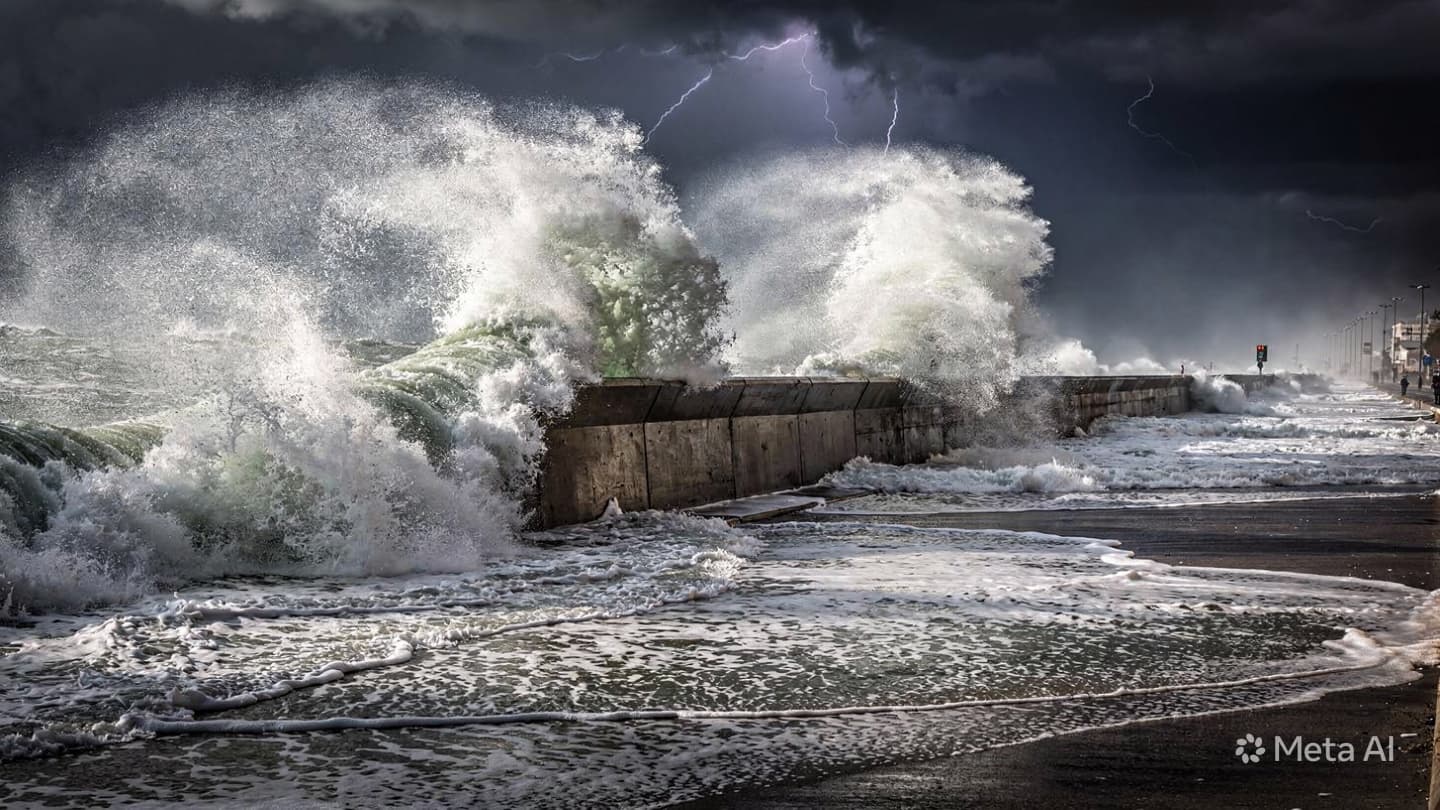
The vulnerability of the waterfront becomes apparent when strong northerly winds combine with high tides to create a phenomenon known locally as a coastal flooding event. The waves do not merely splash against the stone; they strike it with an immense, hydraulic force, sending columns of white foam stories into the air to be carried by the wind into the adjacent neighborhoods. Within hours, the broad avenue vanishes beneath a swirling expanse of grey, saltwater rivers that flow deep into the historic streets of Vedado and Centro Habana.
For the residents living along the first line of buildings facing the ocean, the flooding introduces an immediate, watery confinement to their daily routine. The ground floors of historic apartments are quickly abandoned as the water forces its way through doors and vents, carrying with it sea silt and urban debris. The smell of brine permeates the domestic spaces, a persistent reminder that the boundary between the sea and the home is entirely conditional on the weather.
The physical damage to the architecture of the Malecón is cumulative, accelerated by each successive flooding event that saturates the old limestone with salt. The columns and balconies, already weakened by decades of exposure to the humid air, suffer structural degradation as the saltwater corrodes the internal iron reinforcements. It is a slow, chemical erosion that challenges the preservation efforts of urban planners who work to maintain the historic integrity of the capital’s face.
Emergency services handle these events with a practiced, methodical efficiency, deploying specialized trucks and rescue boats to navigate the flooded avenues. The area is closed to regular traffic, transforming the busy thoroughfare into a silent, watery corridor where the only sounds are the roaring of the surf and the engines of rescue vehicles. Stranded residents are evacuated from flooded basements, their figures silhouetted against the gray water as they are carried to higher ground.
The economic cost of these coastal inundations is significant, requiring the diversion of scarce municipal resources to clear the tons of sand and debris left behind when the water recedes. The salt infrastructure must be washed down, electrical substations dried and verified, and the asphalt repaired where the force of the waves has torn it away. It is an unglamorous, repetitive labor that must be performed quickly to restore the economic and social life of the city.
The tourists who frequent the waterfront hotels look out from their balconies at a landscape transformed, the iconic view of old cars driving along the sea replaced by a gray, undulating lake. The situation demands a swift adjustment of plans, turning an urban exploration into a lesson in coastal geography and infrastructure vulnerability. The hotels become islands of self-contained luxury surrounded by the reality of a city wrestling with the elements.
The long-term strategy for protecting Havana from the rising sea requires a complex reassessment of the city’s defensive infrastructure, including the potential construction of offshore breakwaters. As global sea levels continue to rise, the frequency and severity of these flooding events are projected to increase, threatening the long-term viability of the waterfront. The Malecón remains a symbol of the city's identity, but it is also a front line in an ongoing struggle against the encroaching ocean.
Severe coastal flooding triggered by a powerful northern weather system has submerged extensive sections of Havana’s iconic Malecón seawall boulevard, forcing the closure of all transit links. Sea waves exceeding fifteen feet breached the stone defenses, sending saltwater flowing up to three blocks into the low-lying neighborhoods of Centro Habana and Vedado. Municipal emergency teams have deployed rescue units to assist residents in flooded ground-floor apartments and have cut electrical power to the affected sectors as a safety precaution.
Note: This article was published on BanxChange.com and is powered by the BXE Token on the XRP Ledger. For the latest articles and news, please visit BanxChange.com