
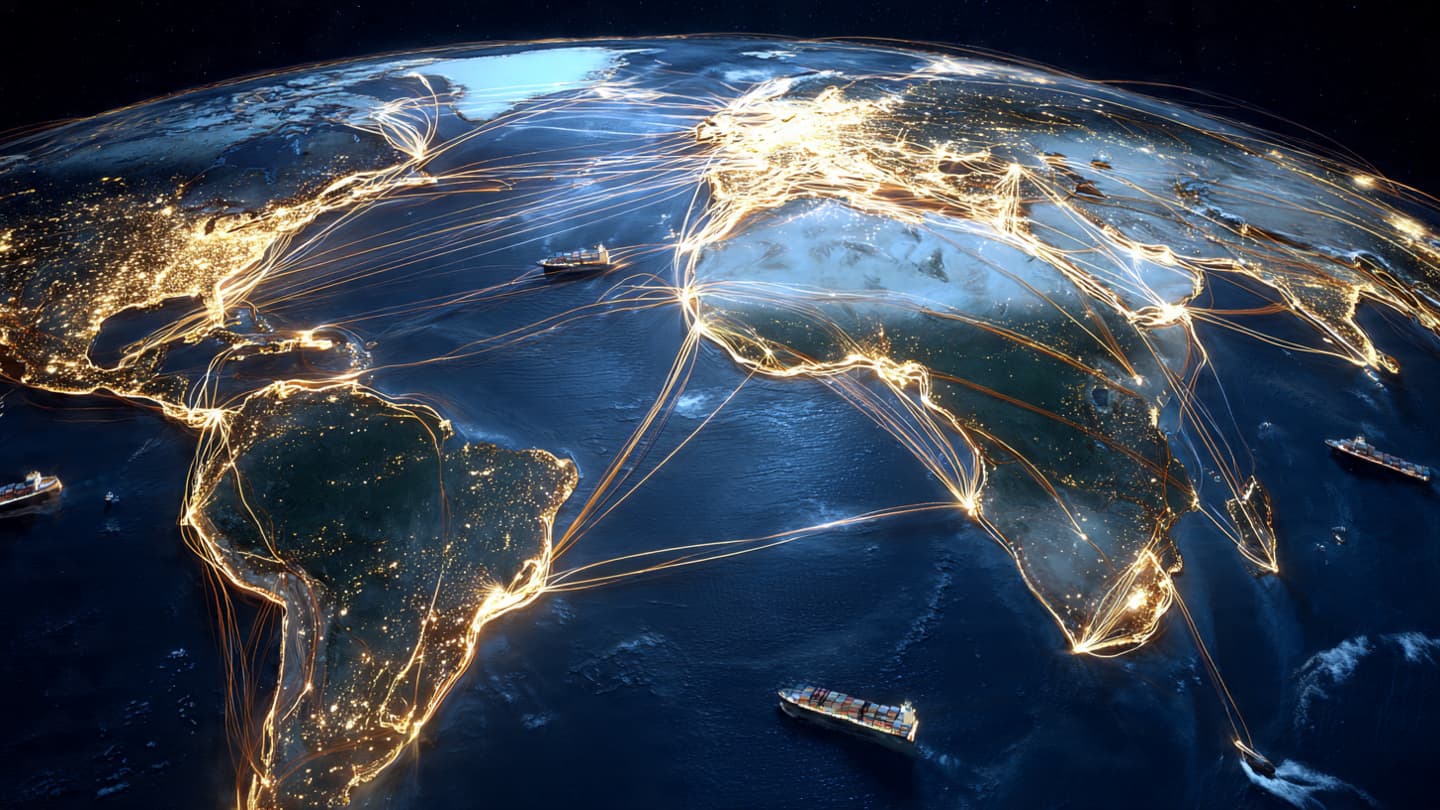
Global trade is often compared to a network of rivers flowing across continents. Goods, services, and investments move continuously through these channels, connecting producers and consumers in ways that were once unimaginable. Yet when some rivers become too dominant while others struggle to keep pace, questions naturally arise about the long-term health of the entire system.
These concerns formed an important part of discussions among G7 leaders meeting in France. Policymakers examined the growing issue of global trade imbalances and considered whether persistent disparities could create vulnerabilities within the international financial system.
Trade imbalances are not inherently unusual. Different economies possess unique strengths, resources, and industrial capabilities. However, when large surpluses and deficits persist over extended periods, they can generate economic pressures that extend beyond national borders.
Financial markets often react to such conditions. Investors evaluate trade patterns as indicators of competitiveness, demand, and future growth prospects. Significant imbalances can sometimes influence currency movements, capital flows, and broader market sentiment.
The topic has gained attention as economies continue adapting to post-pandemic realities, shifting supply chains, and changing industrial policies. Many governments are reassessing how to balance domestic priorities with the benefits of international trade.
Technology and manufacturing strategies also play a role in shaping these trends. Nations investing heavily in strategic industries may strengthen their export positions, while others seek ways to enhance competitiveness through innovation and workforce development.
At the summit, leaders explored approaches that could contribute to greater stability. Discussions included supply chain diversification, investment cooperation, and efforts to reduce economic vulnerabilities without undermining the benefits of global commerce.
Experts often note that financial crises rarely emerge from a single cause. Instead, they tend to develop through a combination of structural weaknesses, market reactions, and unexpected events. Addressing trade imbalances is therefore viewed by many policymakers as part of a broader effort to strengthen economic resilience.
As global economic conditions continue evolving, the conversation is likely to remain relevant. Achieving perfect balance may be unrealistic, but maintaining a stable and adaptable system remains a common objective. The discussions in France reflected an ongoing effort to ensure that international trade continues to support prosperity rather than uncertainty.
AI Image Disclaimer Images in this article are AI-generated illustrations, meant for concept only.
Source Check Credible sources identified:
Reuters Financial Times Bloomberg The Economist Wall Street Journal
Note: This article was published on BanxChange.com and is powered by the BXE Token on the XRP Ledger. For the latest articles and news, please visit BanxChange.com