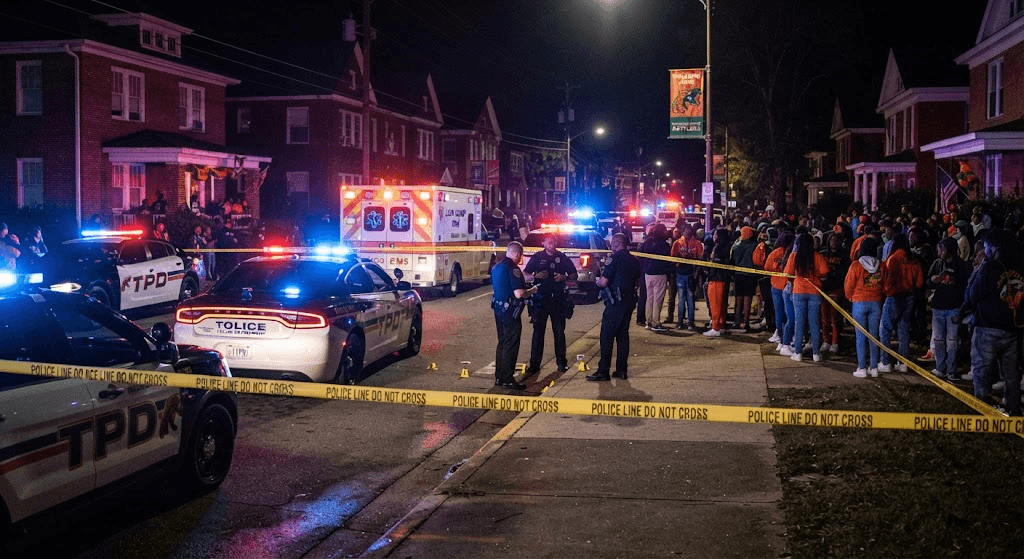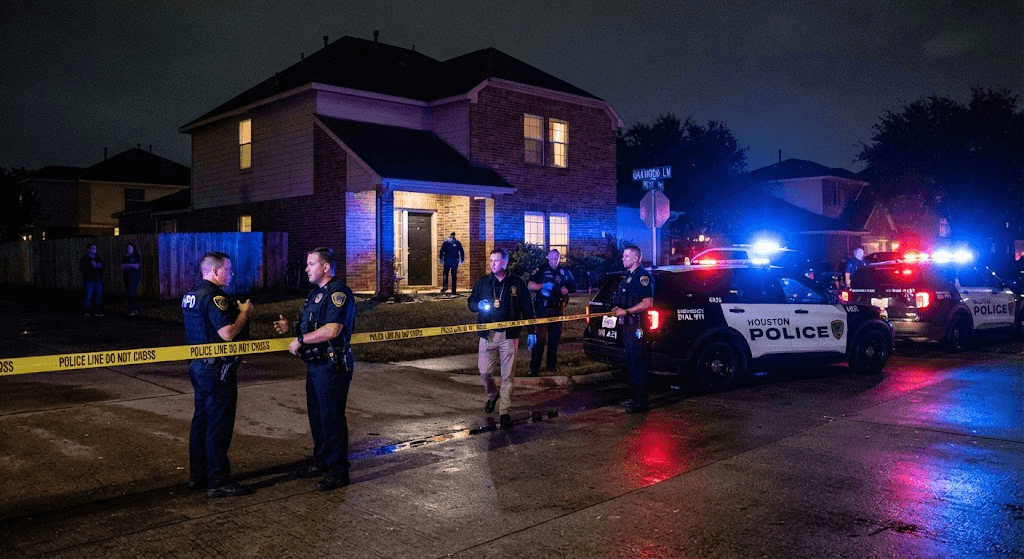
The air after a storm holds a distinct stillness, a quiet aftermath that contrasts sharply with the chaos that precedes it. When strong winds tear through a community, the landscape of daily life is often left unrecognizable, with homes unroofed and paths blocked by the remnants of the event. In these moments, the focus shifts immediately from the shock of the incident to the fundamental, human necessity of care and reconstruction. Local disaster management committees, the frontline guardians of community stability, are currently engaged in the deliberate process of coordinating aid for those whose lives have been upended.
This coordination is a study in local logistics and human connection. It begins with the rapid assessment of needs—who is in immediate distress, which households have lost their shelter, and what supplies are required to bridge the gap until the rhythm of normalcy can be restored. The committees, often composed of local leaders, volunteers, and emergency responders, act as the central nervous system for this effort, channeling resources from municipal stocks directly to the families most in need.
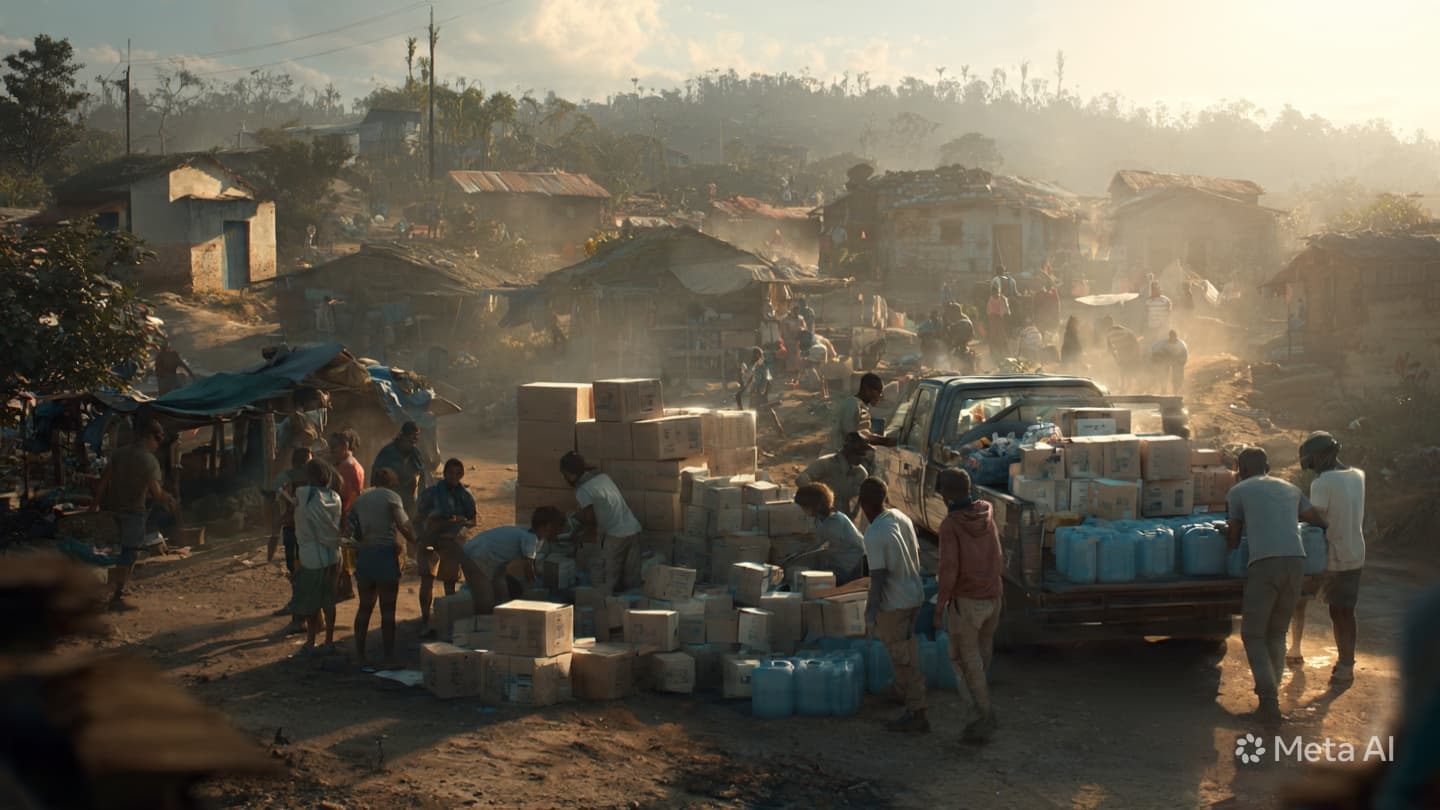
The aid itself is simple but vital: tarpaulins to seal damaged roofs, food packages to sustain households, and blankets to provide comfort in the cooling nights. Yet, the coordination required to move these items is complex. It involves clear communication channels and a deep, intuitive knowledge of the local geography, ensuring that relief reaches the most remote areas where the storm’s impact may be greatest. It is a process that relies heavily on the trust between those providing aid and those receiving it.
Beyond the distribution of material goods, there is an underlying sense of solidarity that defines these efforts. The disaster management committees operate as a testament to the idea that no family should have to navigate the wake of a storm in isolation. By creating clear pathways for assistance and maintaining transparent channels of communication, they are not only providing physical support but also helping to maintain the social fabric of the community during a period of intense vulnerability.
The reflection on these events often centers on the importance of preparedness. The work of the committees does not end when the last aid package is delivered; it extends into the ongoing task of planning for the next time the weather turns volatile. This involves evaluating the efficiency of the response, identifying gaps in the chain of support, and strengthening the local networks that ensure a more resilient community in the face of future disasters.
As the recovery progresses, the narrative of the event shifts from one of loss to one of restoration. The visibility of the committees, working in the field to support families, serves as a source of reassurance. It is a slow, steady return to stability, marked by the gradual clearing of debris and the repair of homes, reflecting the resilience of the community and the dedication of those working to hold it together.
The stories of those affected—the families who have seen their homes battered and their daily lives disrupted—provide the context for why this work is so essential. Their resilience, often matched by the commitment of the aid workers, is a powerful reminder of the importance of community-based disaster management. It is a system built on the principle of mutual support, where the collective effort of the local population is the most effective tool in the recovery process.
As the committees continue their work, the emphasis remains on sustained support. The goal is to move from immediate emergency response to the longer-term recovery phase, ensuring that all affected families have the resources they need to rebuild. It is a quiet, ongoing endeavor, characterized by a steadfast dedication to the well-being of the community.
In response to the recent series of severe wind-storm incidents across several provinces, local disaster management committees have been working in close coordination with provincial authorities to expedite aid delivery. Relief efforts are currently focused on providing temporary shelter materials, essential food supplies, and health kits to affected households. Disaster management teams continue to prioritize debris clearance and the restoration of public services, ensuring that recovery aid reaches the most impacted families. The coordination is being managed through local BPBD offices in conjunction with community leaders to ensure transparent and timely distribution of resources to those whose homes sustained significant damage.
Published by Banx Network. This article is part of the Banx decentralized media programme, powered by the BXE token on the XRP Ledger.