
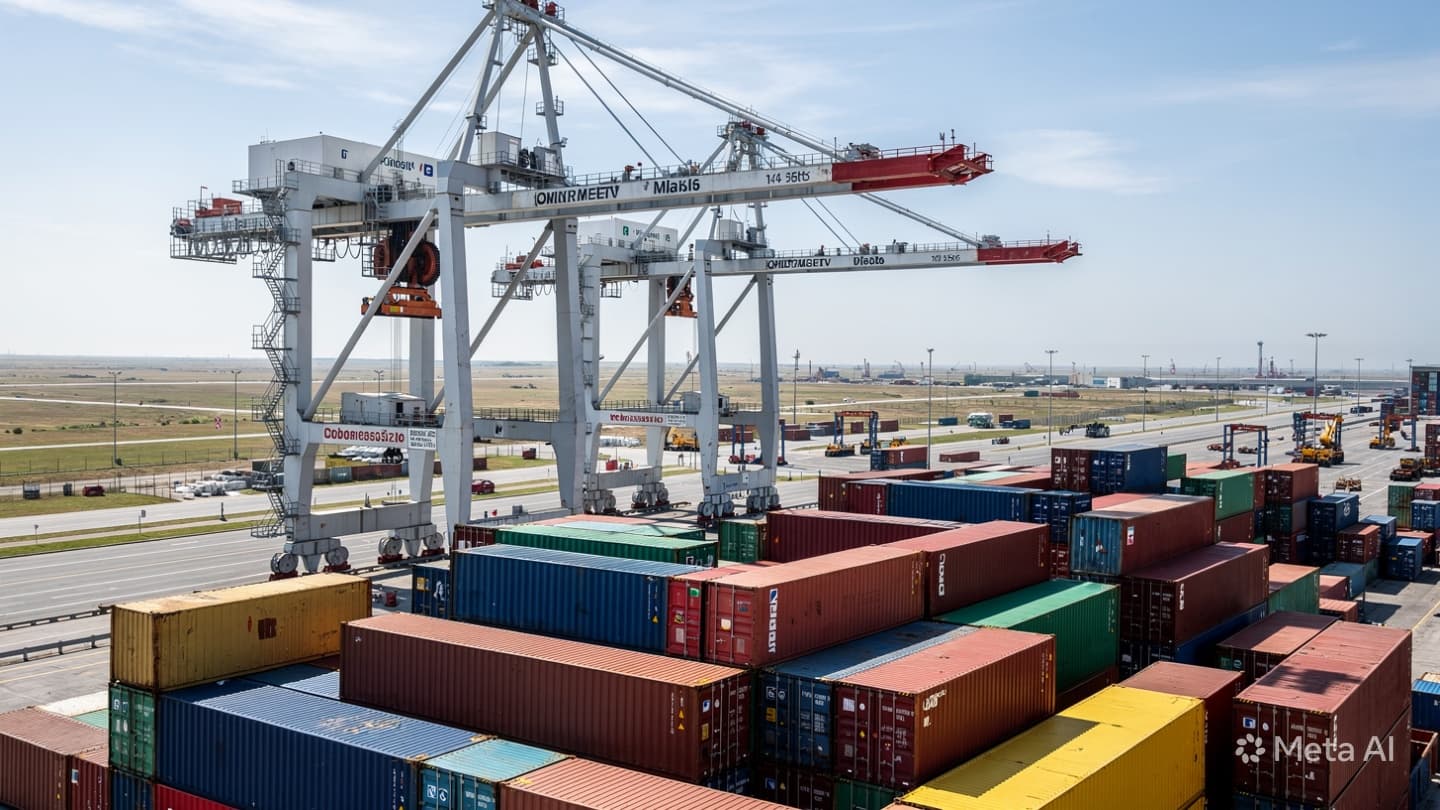
The port of Mariel possesses a stark, geometric beauty, its massive container cranes rising against the tropical sky like iron sentinels guarding the northwestern coast of Cuba. Here, the modern world arrives in steel boxes, stacked with mathematical precision on the decks of colossal vessels that have crossed oceans to reach this deep-water harbor. The rhythm of the port is continuous, defined by the low hum of machinery, the clanking of metal on metal, and the steady movement of trucks carrying the material lifeblood of the nation inward.
Within this vast landscape of legitimate commerce, a parallel, less visible stream of goods constantly attempts to find a foothold. The modern port is a bottleneck through which millions of tons of cargo pass every year, making it both a vital artery for the national economy and a prime target for those who seek to bypass regulatory frameworks. Contraband under these conditions is rarely an overt enterprise; it is an art of concealment, hidden deep within the manifests, behind false partitions, or disguised as ordinary consumer electronics.
The motivation behind these illicit shipments is deeply tied to the complex economic realities of an island nation experiencing persistent material shortages. When the availability of everyday commodities is restricted by external embargoes and internal financial pressures, the incentive to import goods outside of official channels increases exponentially. The contraband that arrives at the pier is a direct reflection of the society’s unfulfilled desires, ranging from specialized industrial components to simple household appliances.
Inspecting these massive shipments requires a combination of high-technology scanning equipment and the intuitive expertise of experienced customs officials. A discrepancy of a few pounds in a shipping manifest or a subtle irregularity in the density profile of a container can be the solitary clue that triggers a manual inspection. The process of unstacking and opening a suspected container is tedious, conducted under the intense heat of the concrete yard, where every layer of cargo must be carefully removed and verified.
The detection of a large contraband shipment disrupts the smooth, automated flow of the port, transforming a standard logistical node into a site of legal and administrative investigation. The container is moved to a secure holding area, its seals broken and its contents exposed to the grey light of official scrutiny. This pause in transit serves as a reminder of the constant vigilance required to protect national borders from unregulated commercial infiltration.
The networks that organize these shipments are often international, involving complex chains of buyers, freight forwarders, and logistics specialists across multiple countries. The paperwork accompanying the illicit cargo is frequently a masterpiece of bureaucratic misdirection, utilizing shell companies and vague descriptions to obscure the true nature and origin of the goods. Tracing these connections backward from the arrival pier requires a patient, international analytical effort that extends far beyond the physical boundaries of the port itself.
As the seized goods are systematically categorized and logged into official records, the broader implications of port security become clearer. The integrity of the maritime border is essential not only for tax collection and regulatory compliance, but also for preventing the introduction of unsafe or prohibited items into the domestic market. The work of customs officials is a continuous exercise in risk assessment, balancing the need for rapid cargo clearance with the imperative of thorough security enforcement.
The harbor at Mariel continues its daily operations, the giant cranes swinging their heavy loads from ship to shore without interruption, seemingly unaffected by the legal dramas unfolding in the inspection bays. The incident remains a quiet footnote in the vast ledger of international trade, a brief deviation from the predictable flows of global shipping. The steel boxes will continue to arrive, and with them, the ongoing challenge of separating the legitimate from the hidden.
Customs officials at the port of Mariel intercepted several large contraband shipments concealed within commercial cargo containers arriving from international origins. A detailed inspection utilizing advanced X-ray scanners revealed substantial quantities of undeclared commercial merchandise, including high-value electronics and industrial spare parts, hidden behind legitimate consumer goods. The entire illicit inventory was confiscated by port authorities, and a comprehensive investigation has been initiated to identify the shipping networks involved in the attempted smuggling operation.
Note: This article was published on BanxChange.com and is powered by the BXE Token on the XRP Ledger. For the latest articles and news, please visit BanxChange.com