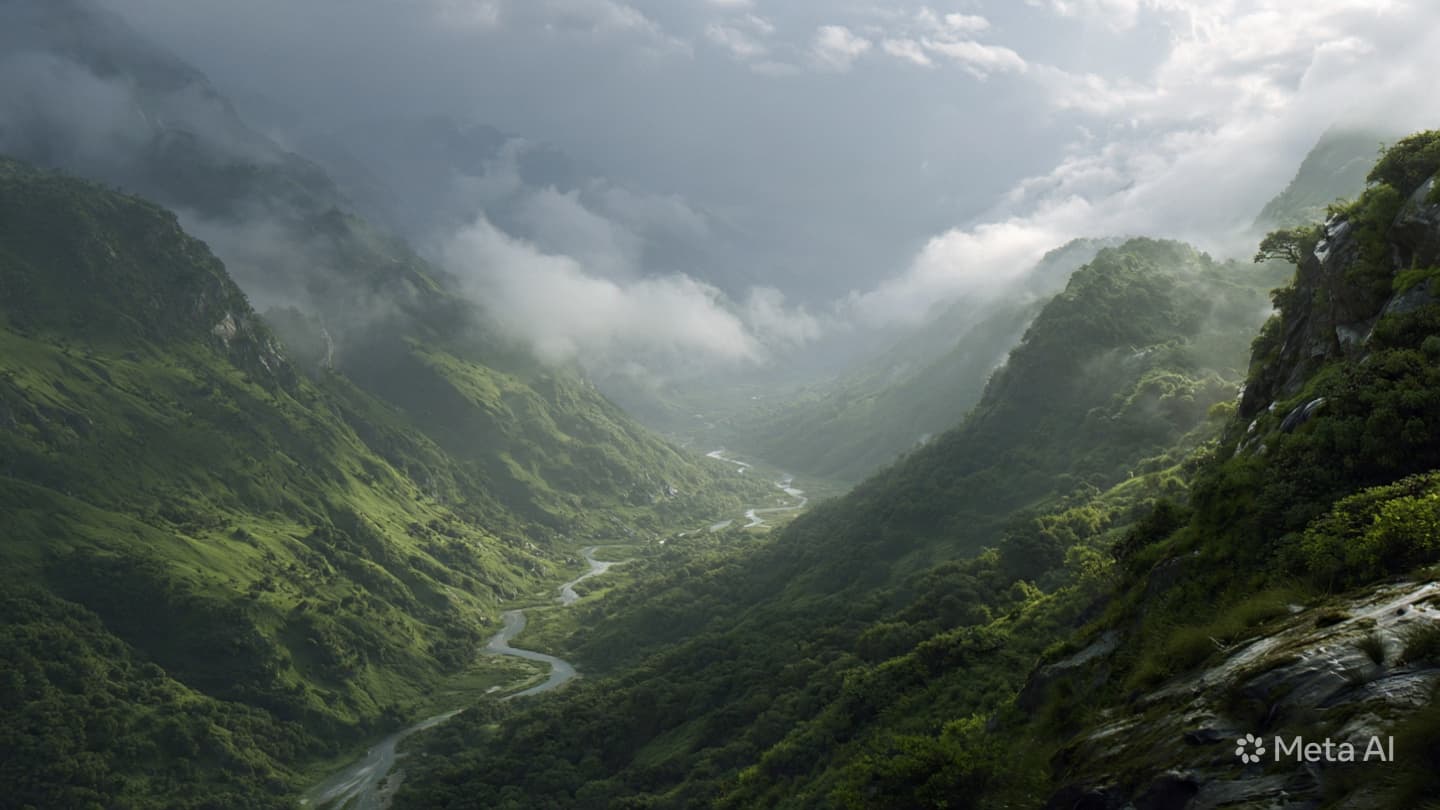
There is an elemental, terrifying beauty to the northern mountainous regions of Vietnam—a landscape of sharp ridges, terraced fields, and deep, verdant valleys. It is a terrain that has been shaped over millennia by the steady, persistent work of water. Yet, in these past few weeks, the relationship between the people and the landscape has taken a darker, more volatile turn. The flash floods, brought on by sustained and intense precipitation, have served as a harsh reminder of the vulnerability of life in a territory where the earth and sky are locked in an unpredictable, often unforgiving, embrace.
To witness the aftermath of such a flood is to see the complete transformation of a space. What were once the paths of daily travel, the foundations of homes, and the quiet pockets of village life are now covered in the heavy, debris-filled residue of the rushing water. The suddenness of the deluge leaves little room for deliberation; it is a force that demands immediate response, a chaotic rush to higher ground that leaves behind the remnants of a life that can no longer be contained in the space it occupied.
For the residents of these regions, the experience of displacement is both a physical and emotional rupture. The loss of a home, built with generations of effort and marked by the memories of a life lived, is a tragedy that extends far beyond the material. It is a quiet, profound loss that sits in the wake of the sirens and the calls for aid. The communities, now gathered in temporary centers, face the daunting, long-term challenge of finding a path toward normalcy in a landscape that has been literally altered by the power of the rain.
The meteorological context—the heavy, persistent rainfall that has saturated the soil to the point of collapse—is a phenomenon that is becoming increasingly familiar in the face of shifting climate patterns. These events, once considered infrequent, are now occurring with a frequency that demands a new level of preparedness. It is a sobering reality for those who reside in the midland and mountainous zones, where the risk of landslides and sudden floods is an ever-present consideration that shadows the rhythm of the seasons.
In the aftermath, the narrative of the disaster is dominated by the heroic, often quiet efforts of the rescue teams and the local volunteers. They move through the mud and the debris, working to clear the paths and provide for those who have been left with nothing. It is a testament to the community’s resilience, a refusal to be defeated by the violence of the natural world. Yet, this resilience should not mask the underlying need for a more comprehensive strategy for disaster mitigation—one that addresses the infrastructure of the region with the urgency that such repeated catastrophes require.
Reflecting on the future of these mountainous communities, one is struck by the necessity of a balanced approach. It is about reconciling the life of the highlands—with its unique culture and its vital importance to the nation—with the harsh realities of a changing environment. This means more robust early warning systems, the development of sustainable infrastructure that can withstand the forces of the earth, and a continued commitment to the support of those who bear the brunt of these disasters.
As the water recedes and the clean-up begins, the focus shifts to the long road of recovery. It is a slow, difficult process, marked by the need for patience and the support of a nation that remains connected to the struggles of its most remote corners. The residents of the north, in their quiet strength, remind us of the precariousness of our existence and the importance of our shared commitment to one another in the face of the uncontrollable forces of nature.
The memory of the floods will linger, not just as a disaster report but as a part of the region’s evolving story. It is a history that is written in the soil, the water, and the enduring resilience of the people who call the mountains home. As the country moves toward a season of rebuilding, the goal is to ensure that the next time the rains come, the valley will not be a place of loss, but a place where the community can stand firm against the surge, secure in the knowledge that they are supported, prepared, and safe.
Heavy rainfall throughout June 2026 has triggered destructive flash floods across the mountainous regions of Northern Vietnam. Dozens of homes in provinces such as Lai Chau and Lao Cai have been completely destroyed, forcing widespread displacement as thousands of residents were relocated to emergency shelters. Local disaster management units are currently coordinating relief efforts, focusing on clearing landslide-blocked transport routes and providing essential supplies to affected families. Meteorological officials continue to issue warnings, as soil saturation remains high and the risk of further landslides persists.
Published by Banx Network. This article is part of the Banx decentralized media programme, powered by the BXE token on the XRP Ledger.