
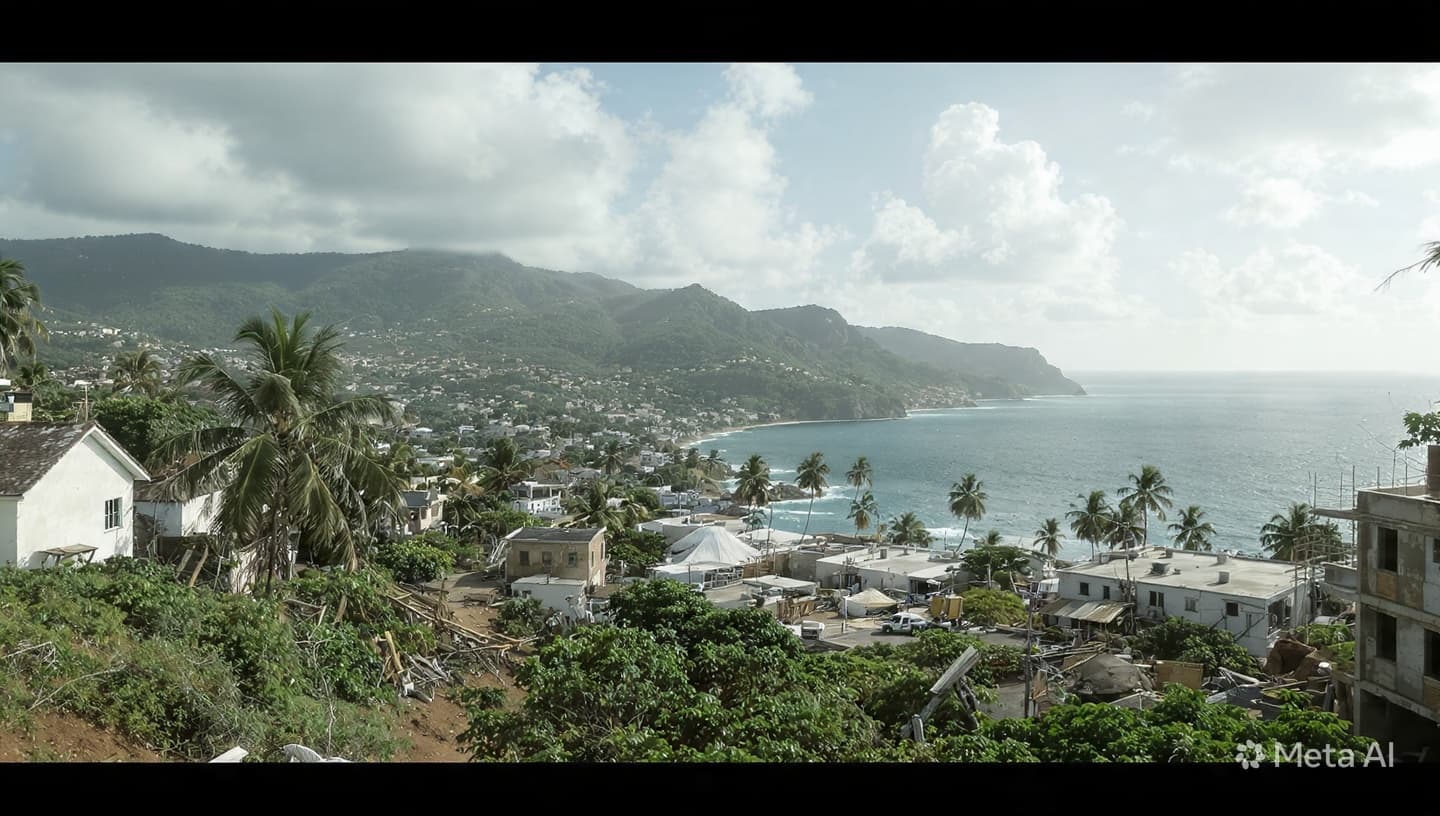
The islands of the Caribbean are no strangers to the temper of the Atlantic, a sea that brings both the life-sustaining rains and the sudden, devastating fury of the hurricane. When Hurricane Melissa swept through the region—a Category 5 storm that left a scar across the history of Jamaica and its neighbors—it was not just a weather event; it was a fundamental disruption of the way of life for millions. Seven months later, as the Atlantic hurricane season begins anew, the recovery efforts remain a quiet, persistent labor, a testament to the resilience of a people working to reclaim their future from the debris of the past.
The scale of the destruction—homes unroofed, hospitals reduced to shells, and rural communities isolated by the collapse of vital infrastructure—created a landscape of profound challenge. In the aftermath, the islands became a patchwork of urgent needs, where the primary focus was the survival of the immediate and the restoration of the basic necessities of life. Now, as the recovery transitions into the complex phase of long-term rebuilding, the focus shifts toward the strength of the social fabric, as families and neighbors work to bridge the gap between what was lost and what can be restored.
For those who lived through the landfall, the memory of the storm is etched into the very terrain, from the slopes scarred by landslides to the coastlines reshaped by the surge. Recovery is a slow, methodical process, often slowed by the logistical complexities of an island geography where access is as much a challenge as the repair itself. Yet, the steady progress—the reopening of schools, the restoration of power grids, and the emergence of new, more resilient structures—is a signal of a community refusing to be defined by the storm.
International support and the coordination of aid agencies have played a vital role in this long, unfolding chapter. The relief efforts, which once focused on the immediate distribution of food, water, and medical supplies, now aim toward the sustainable reconstruction of the healthcare network and the revitalizing of local economies. It is a collaborative endeavor, one that underscores the necessity of global solidarity when the environmental challenges of our time outpace the local capacity to respond.
The hurricane season of 2026 brings with it a renewed vigilance, a heightened sensitivity to the warnings of the meteorologists and the systems of early detection. The lessons of Melissa are embedded in the new protocols, the improved communication networks, and the deepened resolve of the authorities to prioritize the safety of the most vulnerable. It is a somber, pragmatic preparation, born from the hard-won wisdom of those who have seen the wind take their homes and have chosen to build them anew.
As the sun sets over the Caribbean, the recovery continues in the quiet, persistent work of thousands. It is a story of a region that is not merely enduring, but evolving, learning to balance the beauty of its natural heritage with the realities of an increasingly volatile climate. The memory of the lives lost and the homes destroyed remains a guiding force, a motivation to ensure that when the next storm gathers, the foundation is stronger, the warning is clearer, and the community is better prepared to stand together.
Ultimately, the recovery from Hurricane Melissa is a reflection on the human capacity for renewal. It is a story of a region that has faced the most immense of trials and found the strength to carry on, one brick, one road, and one day at a time. As the islands move forward, the memory of the storm will remain, not as a mark of defeat, but as a testament to the enduring power of the human spirit to rise from the silence of the aftermath and begin the work of rebuilding, anew and with greater resolve.
Published by Banx Network. This article is part of the Banx decentralized media programme, powered by the BXE token on the XRP Ledger.


.jpg&w=3840&q=75 "Russia Turns Black Sea Into World’s Deadliest Shipping Route as More Than 570 Ships Are Hit")
