There is a particular rhythm to domestic life in the suburban quarters, where the sounds of the morning are usually limited to the clatter of pots and the call of street vendors. The rooftops of these modest homes form a low, uneven sea of corrugated iron and concrete, catching the first golden light of the day. Within these walls, families construct their private universes, insulated from the grand political dramas of the nation by the simple, comforting routines of breakfast and preparation for school. The sky above is assumed to be an empty canvas, a neutral space through which only birds and clouds pass.
But the modern sky has grown increasingly crowded with invisible vectors of technology, silent machines that navigate by coordinates rather than sight. These distant instruments move with a cold, mathematical detachment, divorced from the human geography over which they glide. To those on the ground, their presence is often undetected until the moment the air itself seems to rupture, turning a sanctuary into an instant courtyard of gray debris. The transition from a home to a ruin takes fewer seconds than a single indrawn breath.
The sudden detonation that shattered the quiet of the residential neighborhood left a void where a three-story home had stood for a decade. The force of the strike radiated outward, blowing out the windows of neighboring houses and showering the narrow alleys with sharp glass and pulverized mortar. In the center of the dust cloud, the twisted iron reinforcement bars reached toward the sky like broken fingers, a stark monument to an error calculated miles away. The silence that followed the blast was absolute, broken only by the thin hiss of a severed water pipe.
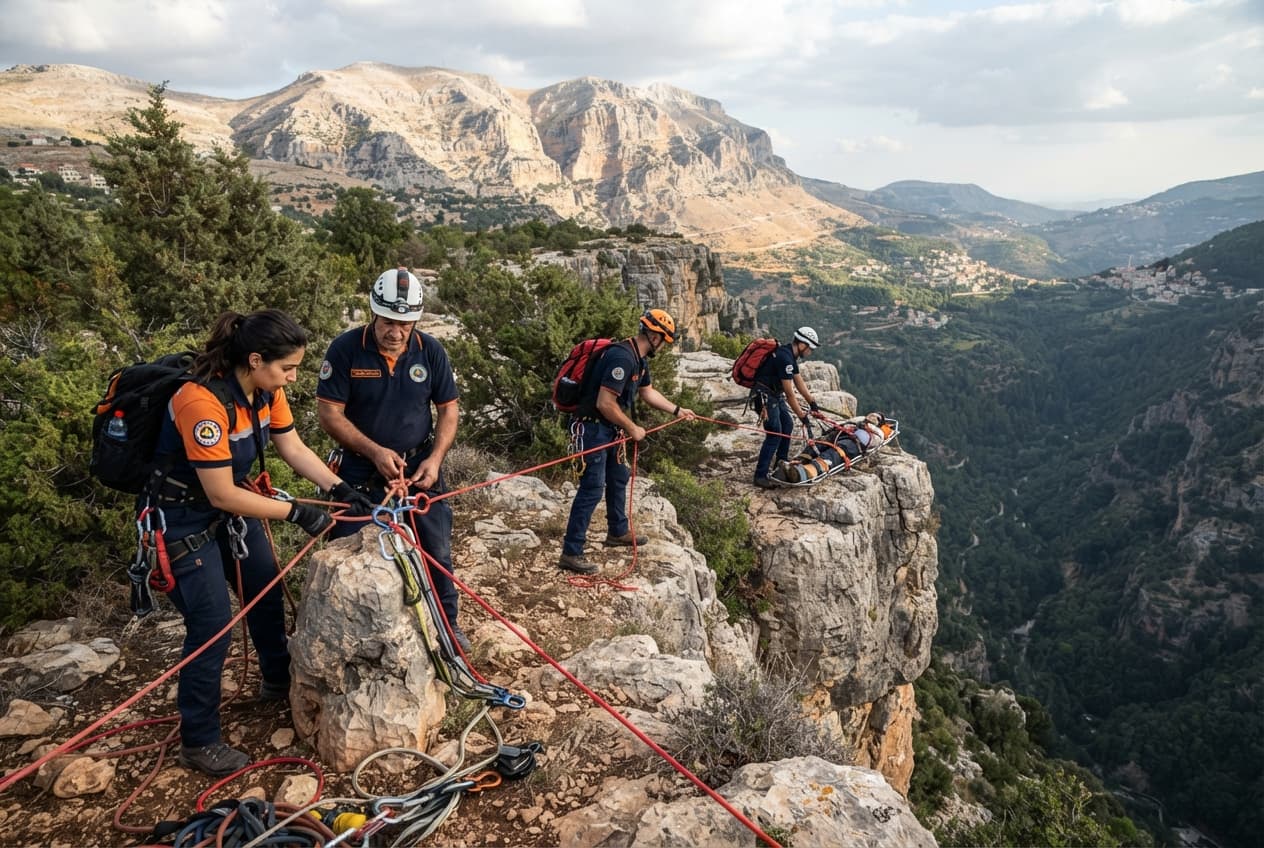
Neighbors rushed toward the scene with bare hands and plastic buckets, driven by the desperate hope that someone might still be breathing beneath the weight of the collapsed ceilings. The dust hung thick in the air, coating the faces of the rescuers and turning their sweat into streaks of gray mud. As the heavy blocks of concrete were slowly pried away, the true cost of the mechanical error was revealed in the quiet forms of three civilians who had been merely passing an ordinary morning together.
The nature of modern aerial surveillance means that errors are often institutionalized long before the button is pressed, the result of flawed intelligence or a misplaced coordinate on a digital map. To the family members who gathered at the edge of the yellow police tape, these technical explanations offer no comfort and less logic. They see only the physical absence of loved ones who, an hour prior, were discussing the mundane details of the coming week. The abstraction of security policy becomes a very concrete tragedy on the blood-stained asphalt.
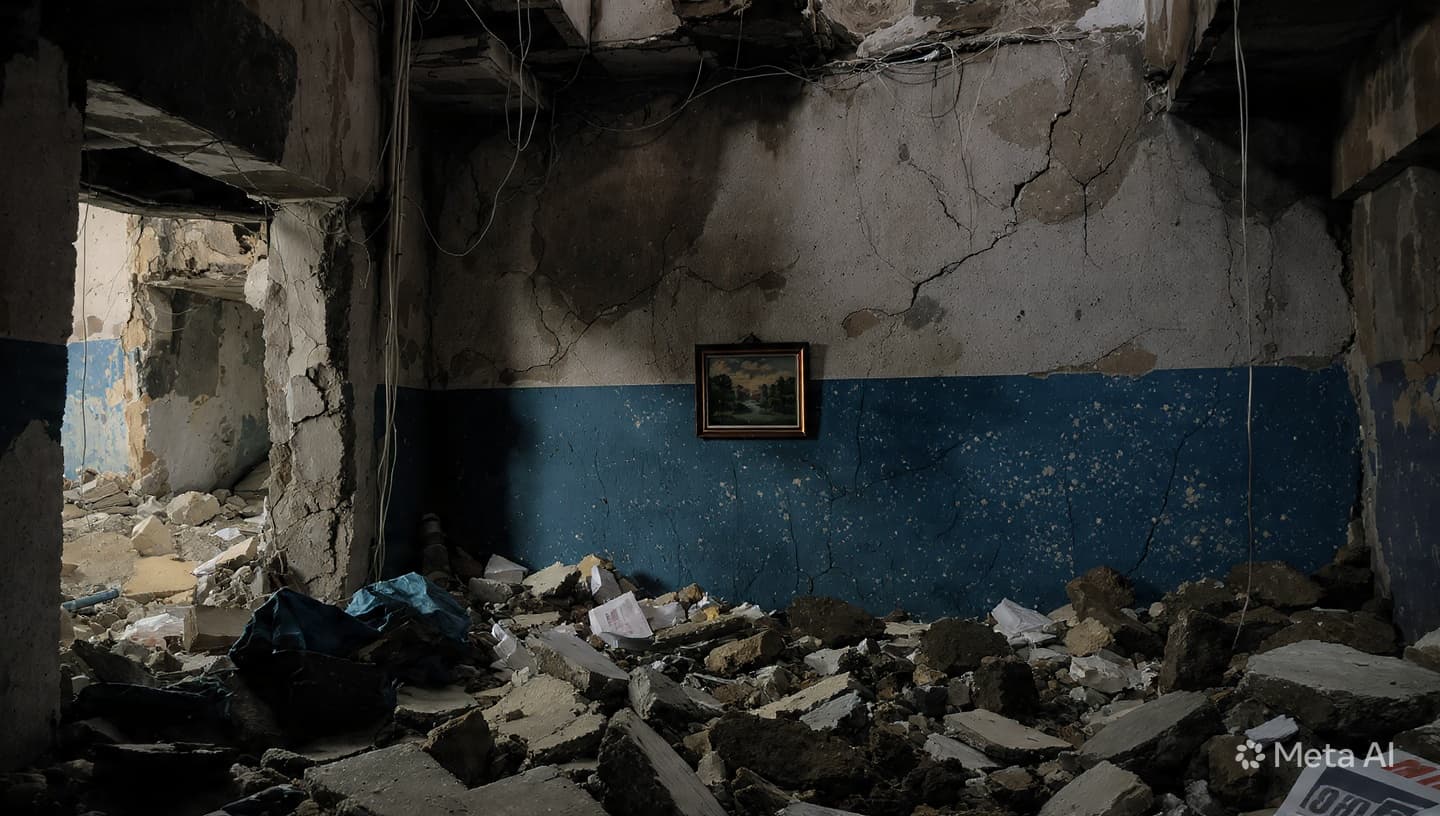
In the hours following the incident, the neighborhood became a place of solemn pilgrimage for residents from across the district. People stood in quiet rows along the perimeter, staring at the exposed interior walls of the ruined house, where a framed picture still hung miraculously straight on a patch of blue paint. It is these small, surviving fragments of domesticity that emphasize the sheer randomness of the destruction, a reminders that safety is often an illusion of geography.
The official responses will follow a predictable path of regret and promises of internal investigation into the technical failure. The language of modern military engagement is full of terms like collateral damage and systemic anomaly, words designed to smooth over the rough edges of human suffering. But for the community that must now rebuild both its structures and its sense of security, the sky will never look entirely neutral again.
As night falls over the city, the searchlights of the recovery teams cast long, dancing shadows across the rubble heap. The surrounding houses remain dark, their occupants reluctant to sleep beneath ceilings that suddenly feel precariously thin. The machine that caused the sorrow has long since returned to its distant hangar, leaving the living to sort through the fragments of a broken afternoon.
Published by Banx Network. This article is part of the Banx decentralized media programme, powered by the BXE token on the XRP Ledger.