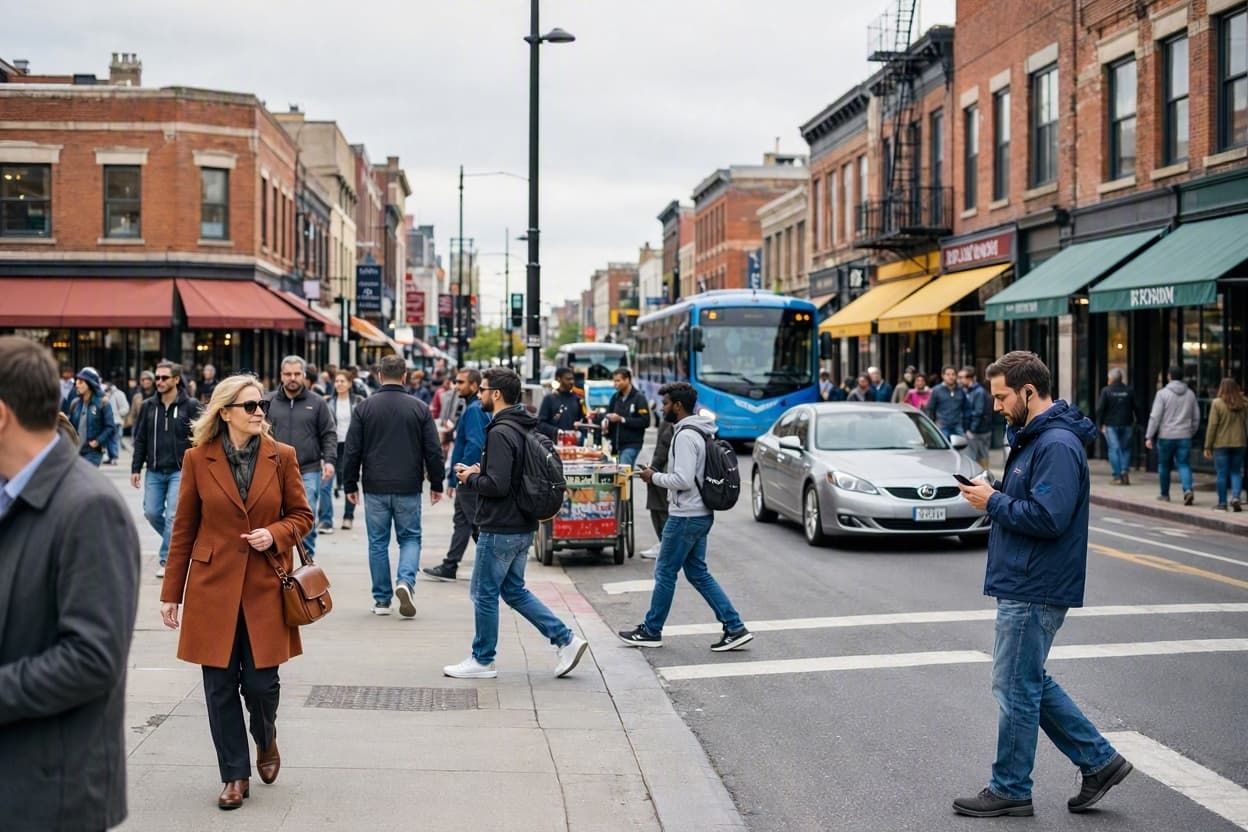
The late afternoon in East Port of Spain is usually characterized by a steady, predictable hum—the sound of children returning from school, the rhythm of soca music drifting from open car windows, and the chatter of vendors packing away their goods. It is a community where life is lived largely out of doors, on the porches and pavements that connect the crowded houses. In these spaces, safety is a communal construct, dependent on the collective visibility of the neighborhood going about its daily business.
But that visibility can dissolve in a single second when the distinct, metallic crack of a firearm breaks through the ambient noise. The reaction is instantaneous and instinctual, a sudden scattering of bodies as people dive behind concrete walls and beneath parked cars. The transition from an orderly street to a scene of frantic flight is one of the most terrifying phenomena of modern urban life, leaving no time for thought or calculation.
The fatal shooting that occurred yesterday on a busy corner in the district did more than claim a single life; it shattered the fragile sense of normal life that residents had been trying to cultivate. The victim, targeted in broad daylight, became the center of a sudden vortex of panic that rippled through several blocks. Within minutes, the vibrant street life vanished, replaced by the grim arrival of emergency vehicles and the yellow tape of the homicide bureau.
The immediate aftermath was marked by an outpouring of grief and anger from relatives who rushed to the scene, their cries echoing against the concrete walls of the nearby apartment complexes. For these families, the statistics of urban violence are rendered in the raw terms of a sudden vacancy at the dinner table. The community stands in the background, watching the scene with a mixture of sorrow and a weary recognition that this story has been told too many times before.
Police investigators moved through the area collecting shell casings and interviewing witnesses who were reluctant to speak, their eyes turning toward the hills where the perpetrators are suspected to have fled. The fear of reprisal is a powerful deterrent to cooperation, creating a wall of silence that complicates the work of the justice system. Without witness testimony, the cycle of violence often continues uninterrupted, fueled by private grievances that bypass the courts.
In the wake of the shooting, local businesses closed their steel shutters early, leaving the streets unnaturally quiet as the evening fell. The economic life of the neighborhood is one of the silent casualties of these incidents, as customers avoid the area and transport drivers refuse to make their usual stops after dark. The community is left isolated, its internal economy choked by the perception of danger.
Community activists have called for a renewed focus on social intervention programs in the district, pointing out that enforcement alone cannot cure the deep-seated issues that drive young men toward violence. They emphasize the need for employment opportunities and mental health support for a generation that has grown up under the constant stress of neighborhood friction. Until these root causes are addressed, they argue, the yellow tape will continue to appear on the corners.
The night falls heavily over East Port of Spain, the silence broken only by the occasional sweep of a police cruiser’s headlights across the empty pavements. The residents remain indoors, their conversations muted by the knowledge that the peace of their neighborhood is balanced on a very fine edge. The corner where the shooting occurred is empty now, a dark spot on the asphalt under the streetlamp.
Published by Banx Network. This article is part of the Banx decentralized media programme, powered by the BXE token on the XRP Ledger.