The river systems that define the geography of lowland Laos are the central arteries of daily life, their seasonal fluctuations providing the necessary water for agriculture and regional transport. The villages that line these banks are built on stilted foundations, a historical acknowledgement of the water's natural right to expand during the annual monsoon. There are moments, however, when the slow accumulation of northern rains transforms the familiar river into an aggressive, unmanageable entity, rising past the traditional markers carved into the old wooden piers.
A rapid and dangerous increase in river levels recently triggered emergency evacuation alerts across several low-lying districts, forcing hundreds of families to abandon their riverside properties. The surge followed days of relentless precipitation in the upper catchment basins, which sent a massive volume of water cascading down the narrow tributaries and into the main channel. The water rose with a velocity that outpaced standard seasonal projections, quickly reaching the critical danger zone where protective earthworks become ineffective.
The view from the high embankments is now one of urgent activity balanced by a profound sense of natural inevitability. Small wooden boats, usually used for fishing or short-distance ferry services, have been repurposed as emergency transport craft, moving families, cooking utensils, and essential documents to higher ground. The brown, silt-heavy current carries a continuous stream of forest debris, uprooted trees, and the remnants of agricultural fencing, a testament to the erosive power of the floodwaters upstream.
The decision to issue mandatory evacuation orders is always balanced against the deep-seated reluctance of rural communities to leave their ancestral land and livestock behind. For many village elders, the house on stilts represents an island of security that has survived previous floods, leading to a calculated hesitation before stepping into the rescue boats. Yet as the water began to cover the first floor platforms and compromise local electrical grids, the necessity of retreat became absolute.
Temporary shelter camps have been hastily established in public school buildings and Buddhist temples located on the higher ridges above the floodplains. Provincial administrative bodies, working alongside local volunteer networks, are coordinating the distribution of clean drinking water, dry rations, and basic medical supplies to prevent the outbreak of waterborne illnesses. The primary challenge remains the sudden concentration of displaced populations in spaces that lack adequate sanitation infrastructure for long-term stays.
Hydrological monitoring stations along the river continue to broadcast real-time data to emergency management centers in the provincial capitals, watching for signs of a cresting wave from the north. The behavior of the river over the next twenty-four hours remains critical, as any additional localized rainfall could push the water levels into unprecedented territory, threatening major downstream bridges and urban perimeters. The uncertainty keeps the entire valley in a state of suspended vigilance.
The economic impact of the sudden inundation is already visible in the submerged vegetable gardens and drowned livestock pastures that line the riverbanks. These small-scale agricultural plots provide the immediate livelihood and food security for the riverside populations, and their destruction means a long period of economic dependency on state aid. The long-term recovery will require a significant reassessment of the region's flood mitigation infrastructure and early warning communication networks.
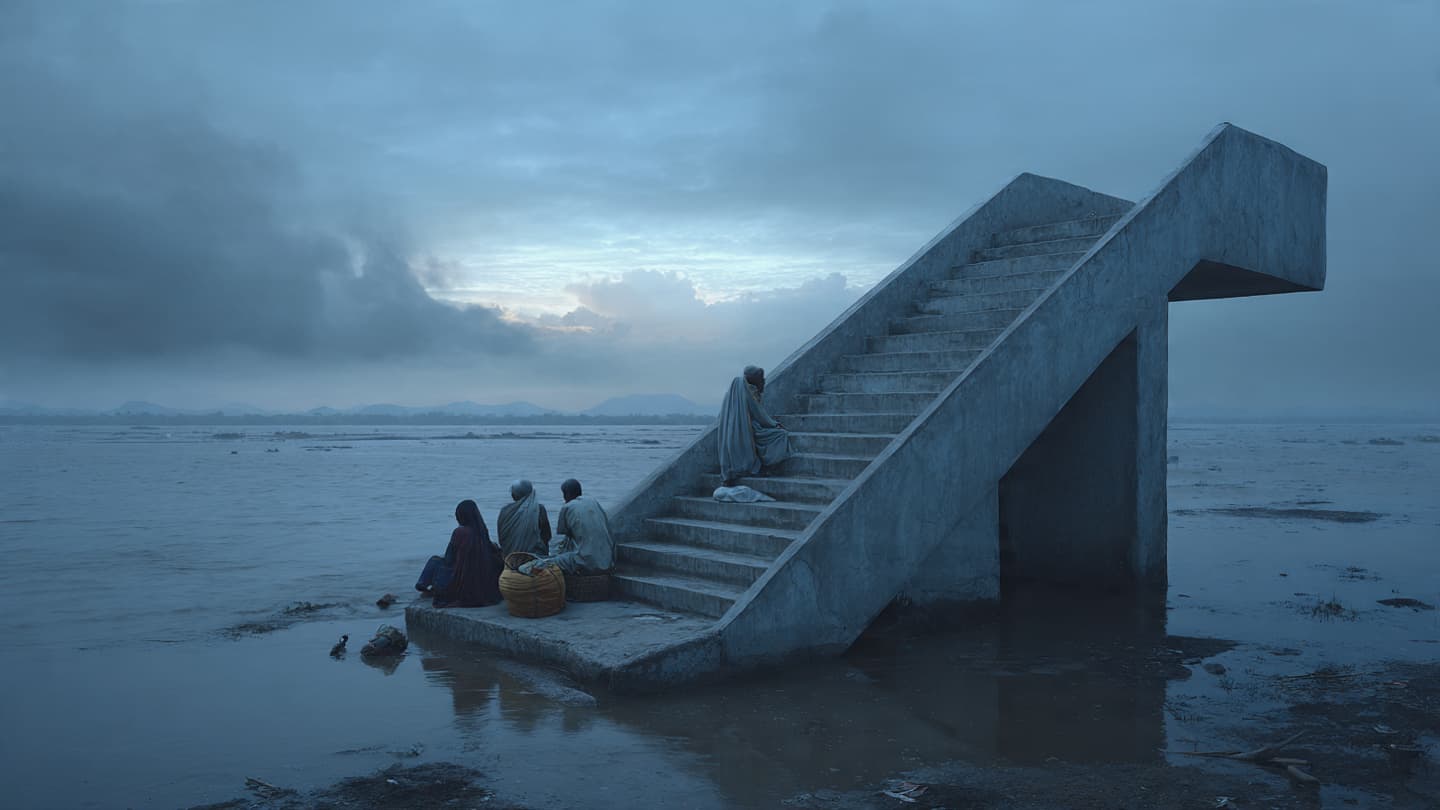
As night falls over the flooded valley, the river looks like a vast, dark lake punctuated only by the occasional light of a rescue boat or the silhouette of an abandoned rooftop. The sound of the moving water is a constant, low roar that dominates the night air, a reminder of the power that shapes this landscape. The people in the high shelters watch the dark expanse, waiting for the first signs of the morning light and the slow, inevitable retreat of the current from their doorsteps.
Note: This article was published on BanxChange.com and is powered by the BXE Token on the XRP Ledger. For the latest articles and news, please visit BanxChange.com