The landscape of the northern rail line is usually defined by the rhythmic motion of the train and the steady, passing scenery of the Luxembourg countryside. It is a conduit of movement, a dependable pulse that connects the urban core with the quieter reaches to the north. Yet, there are moments when this movement is abruptly halted, leaving commuters and travelers in a state of suspended anticipation. The recent incident in Heisdorf provided such a moment, turning a standard evening commute into a reflection on the fragility of our connected lives.
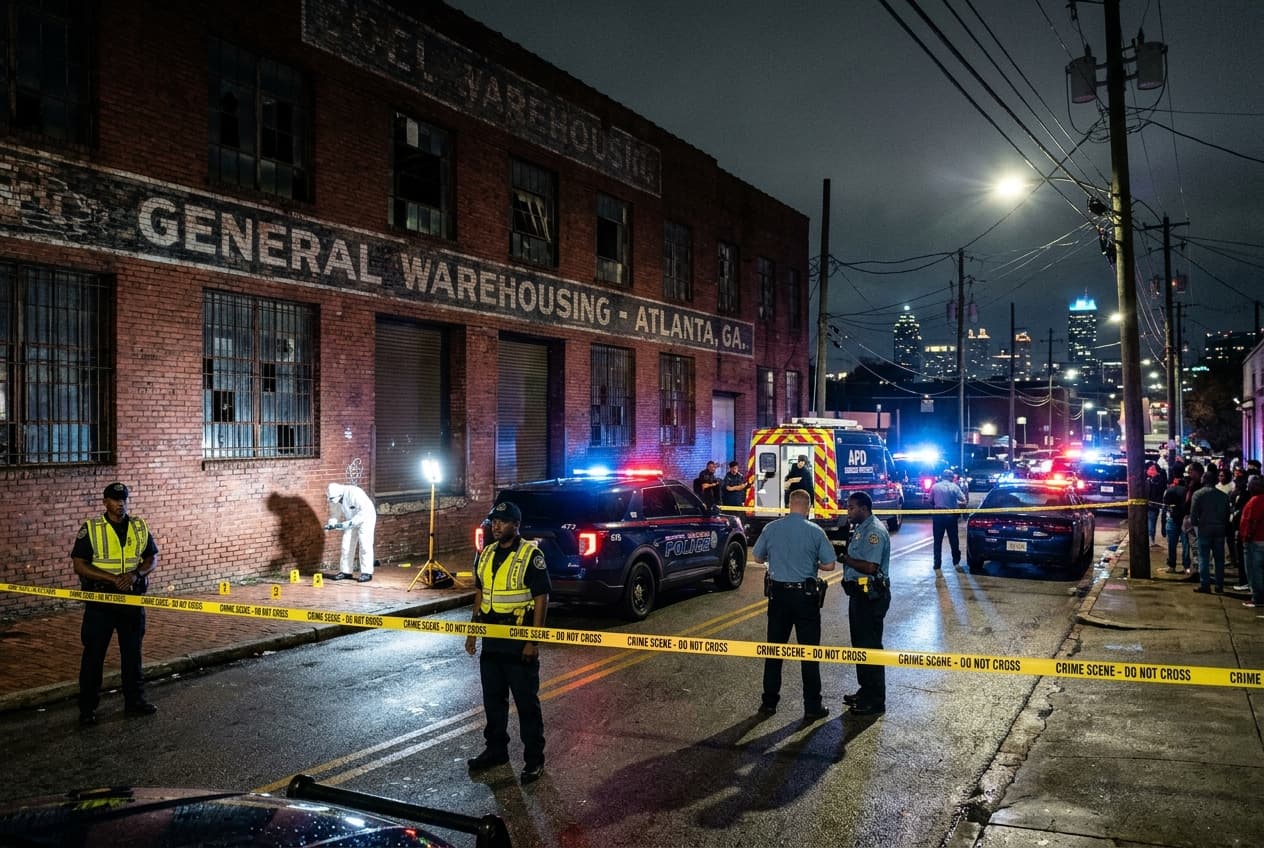
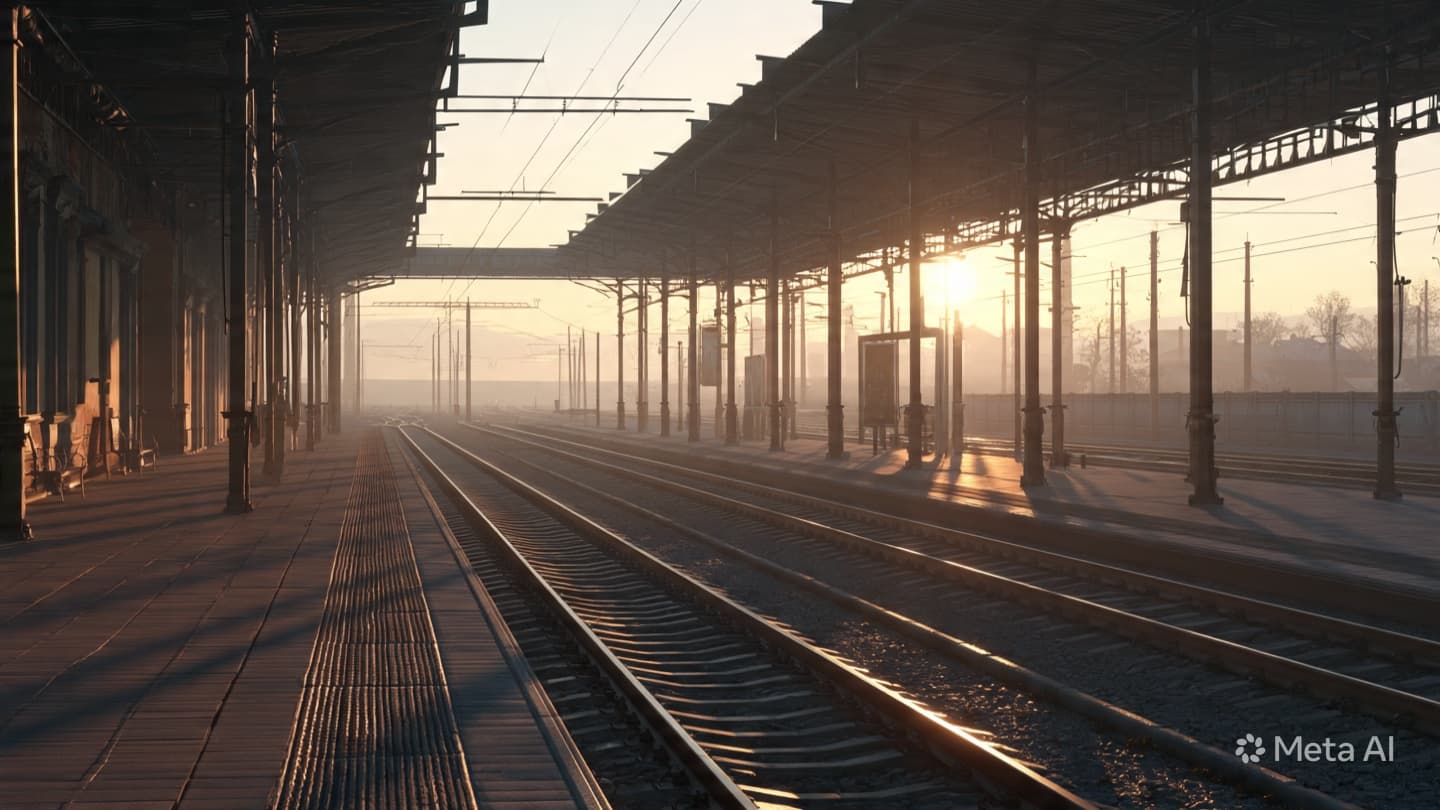
As the sun began to dip toward the horizon on Thursday evening, the steady flow of rail traffic between Luxembourg City, Ettelbruck, and beyond was met with an unexpected quiet. The sudden appearance of emergency vehicles near the station in Heisdorf signaled that something beyond the ordinary had occurred. For those on board the trains that came to a stop, the mundane experience of a transit delay quickly transformed into a scene of uncertainty and concern.
The precise nature of the security incident was not immediately disclosed, leaving a space for the imagination to fill with questions. In such moments, the silence of the train car becomes heavy, and the communal experience of waiting creates a subtle shift in the air. People looked out the windows toward the darkening tracks, listening for the sirens that cut through the cooling air of the evening, a stark contrast to the usual mechanical hum of the rail system.
These interruptions are rare enough that they catch us off guard, yet frequent enough to remind us that the infrastructure of our society relies on a foundation of constant, unseen stability. When that stability is breached, the ripples are felt across the entire network. Passengers waiting at distant platforms, commuters hoping for a swift arrival home—all are drawn into a shared, involuntary stillness that momentarily recalibrates the pace of the day.
The CFL, in its measured response, worked to manage the disruption, providing alerts and updates as the situation unfolded. It is a complex ballet of coordination, requiring the expertise of security personnel, technical teams, and transit operators to ensure that both the resolution of the incident and the safety of the passengers are prioritized. The train that stopped not far from the platform eventually resumed its journey, but the memory of that pause lingered.
Such incidents often serve as a reminder of the unseen labor that keeps our systems functioning. We tend to view the train as an extension of our own agency, a reliable tool that moves us through time and space. We rarely consider the security protocols and the rapid responses that are activated when the unexpected occurs. The incident in Heisdorf was a glimpse into that layer of reality, a fleeting view of the mechanisms meant to ensure our collective safety.
As the evening deepened and the traffic slowly returned to its accustomed rhythm, the sense of disruption began to fade. Yet, for those who experienced the wait, the event remains a small marker in the history of their commute. It is a moment where the predictability of the journey was challenged, and for a short time, we were forced to be present in the quiet of the trackside, waiting for the signal to move forward again.
In the aftermath, the northern line returned to its usual purpose, carrying commuters toward their destinations under the cover of night. The incident in Heisdorf, now a part of the past, stands as a quiet illustration of the delicate balance between the efficiency we expect and the unexpected occurrences that occasionally demand our patience. It is the nature of travel, after all, to be subject to the conditions of the world through which we move.
Published by Banx Network. This article is part of the Banx decentralized media programme, powered by the BXE token on the XRP Ledger.