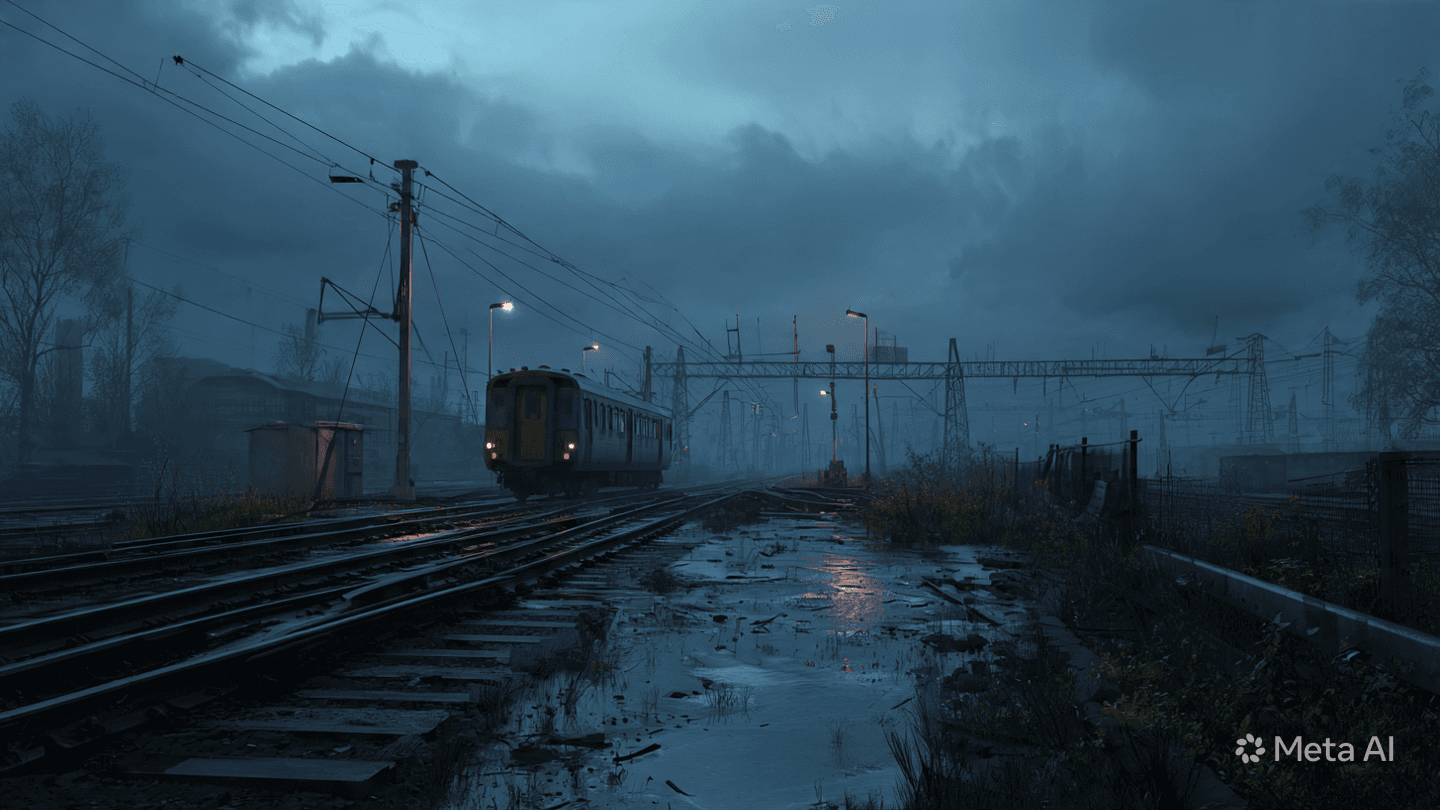
The rail network is the iron pulse of our society, a system defined by its precision, its massive scale, and the quiet expectation of safety that we all bring to our daily commutes. When an infrastructure accident fractures that system—resulting in multiple casualties—the impact is felt far beyond the immediate scene. It is a moment that disrupts the collective sense of order, turning a space of transit into a site of profound, sudden tragedy. For those affected, the world is irrevocably altered, and for the wider community, it is a sobering reminder of the complex forces that underpin our modern mobility.
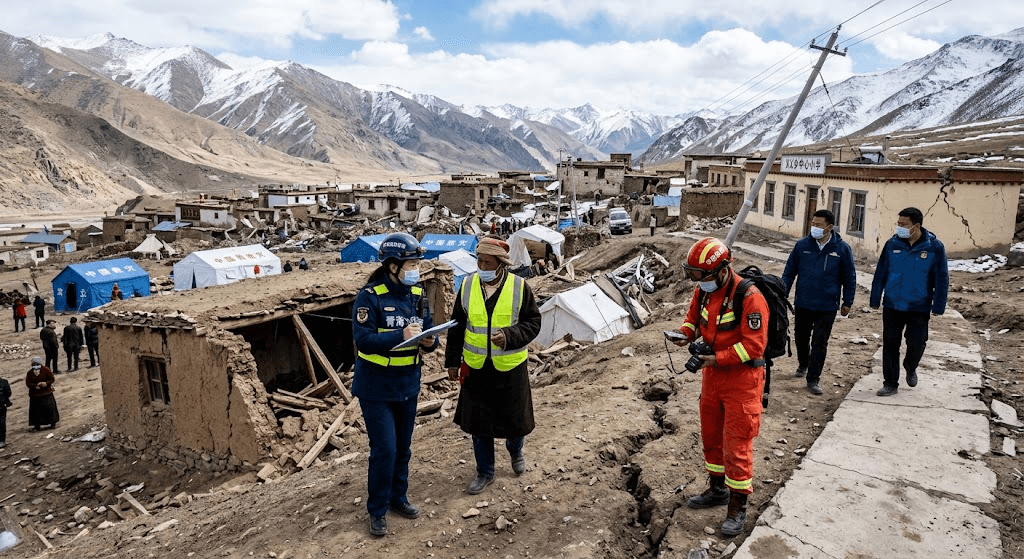
For the emergency responders, the transition from the alarm to the active recovery is a test of both skill and resilience. They navigate the twisted steel and the disrupted tracks with a disciplined, human-centered focus, working to provide aid to the injured while navigating the dangerous topography of the wreckage. It is a theater of quiet, intense action, where the technical challenge of the recovery is inextricable from the moral weight of their mission: to secure the site and to care for those caught in the sudden, unforeseen collapse of the system.
The investigation that follows is a process of forensic, clinical patience. Experts are now working to peel back the layers of the accident, analyzing everything from the track integrity to the signaling systems and the human factors that govern operation. It is a necessary, analytical pursuit, yet it is performed with a respectful awareness that the wreckage represents not just a mechanical failure, but a disruption of lives and the breaking of a fundamental trust. The goal is to understand the event so that the same crisis does not visit another journey in the future.
This event serves as a focal point for the wider discourse on the maintenance and modernization of our vital infrastructure. It forces us to confront the reality that our systems, no matter how automated or technologically advanced, remain deeply vulnerable to the limitations of their own design and the reality of their aging components. When a tragedy occurs, it is felt as a lapse in our collective commitment to the standard of safety that such critical systems demand, a reminder that the speed of our development should never outpace the integrity of our foundations.
As the site is stabilized and the investigation deepens, the broader community finds itself reflecting on the invisible protections that govern our movement. We live in a society that relies on the efficacy of these networks, often without considering the massive, constant effort required to keep them running safely. When those systems are tested by disaster, it forces a collective re-evaluation, a quiet questioning of the systems that define our safety in our shared, connected spaces.
The work of recovery will span weeks and months. It is a slow, methodical process that prioritizes both the integrity of the railway and the long-term well-being of the public. There is little room for haste when the memory of the accident remains so fresh, and the focus remains firmly on the preservation of life and the prevention of future occurrences.
Authorities have confirmed multiple casualties and are currently coordinating with transport ministries and safety boards to conduct a full, independent inquiry. The site remains secured to facilitate the removal of damaged carriages, and rail services in the affected corridor have been suspended until all safety checks are completed. Further updates will be provided as the investigation progresses and the facts of the incident are systematically established.
Published by Banx Network. This article is part of the Banx decentralized media programme, powered by the BXE token on the XRP Ledger.