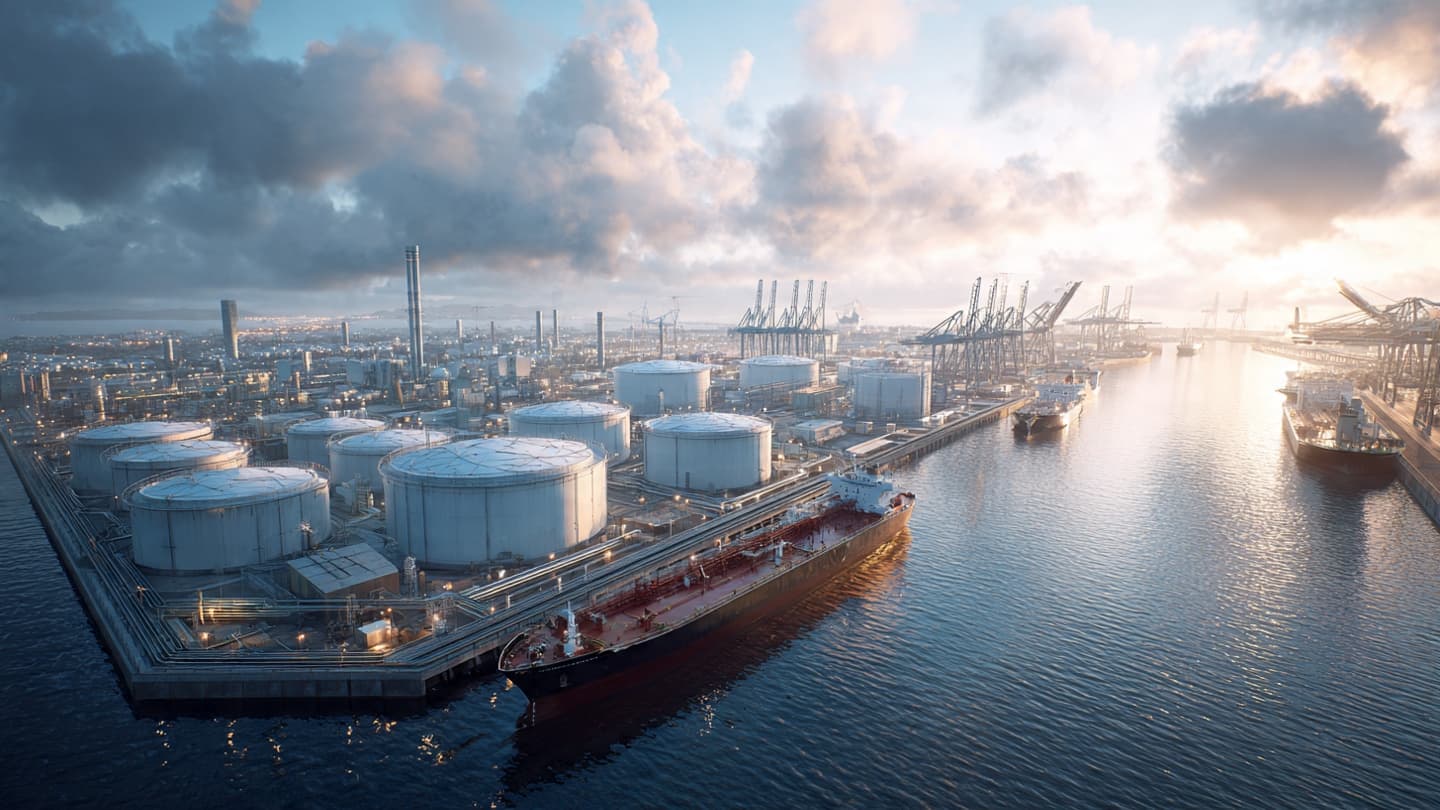
The movement of ships across oceans rarely captures daily attention, yet these journeys form the backbone of global trade. Every tanker, cargo vessel, and transport ship contributes to a vast network that supports industries, economies, and households around the world. In 2026, recent signs of recovery along regional energy shipping routes are drawing interest from businesses seeking greater stability in international commerce.
Maritime tracking data suggests that vessel activity in several important energy corridors has increased compared with previous weeks. This development reflects improving operational conditions and renewed confidence among shipping operators responsible for transporting critical resources.
Energy transportation remains one of the most essential components of global trade. Crude oil, refined fuels, and related products move through complex logistical systems that depend upon reliable maritime routes. Any improvement in shipping activity can therefore influence market sentiment and business planning.
Shipping companies have gradually resumed normal schedules where conditions permit. Tanker operators are carefully assessing route efficiency, fuel costs, and insurance requirements while expanding transportation capacity. These decisions are helping support the recovery process across regional logistics networks.
Energy traders are closely monitoring shipment volumes. Increased transportation activity often provides reassurance regarding the availability of supplies, helping markets focus more on long-term demand and production trends rather than immediate logistical concerns.
Ports connected to major shipping corridors have also reported improved operational activity. Higher vessel arrivals contribute to stronger commercial engagement, benefiting service providers, logistics companies, and local economies connected to maritime trade.
Industry experts emphasize that recovery remains an ongoing process. While positive signs are emerging, stakeholders continue evaluating factors that could influence future shipping conditions. Flexibility and preparedness remain important priorities for transportation companies.
Technological tools are assisting these efforts. Advanced tracking systems, predictive analytics, and digital logistics platforms allow operators to respond more effectively to changing circumstances while improving operational efficiency.
For businesses dependent on global energy flows, the recovery of shipping routes represents more than an operational improvement. It reflects a broader strengthening of the networks that connect producers, consumers, and markets around the world. As maritime activity continues to expand, optimism regarding trade stability may gradually grow alongside it.
AI Image Disclaimer: Visuals are created with AI tools and are not real photographs.
Sources: Reuters, Bloomberg, CNBC, Lloyd's List, The Maritime Executive.
Note: This article was published on BanxChange.com and is powered by the BXE Token on the XRP Ledger. For the latest articles and news, please visit BanxChange.com