
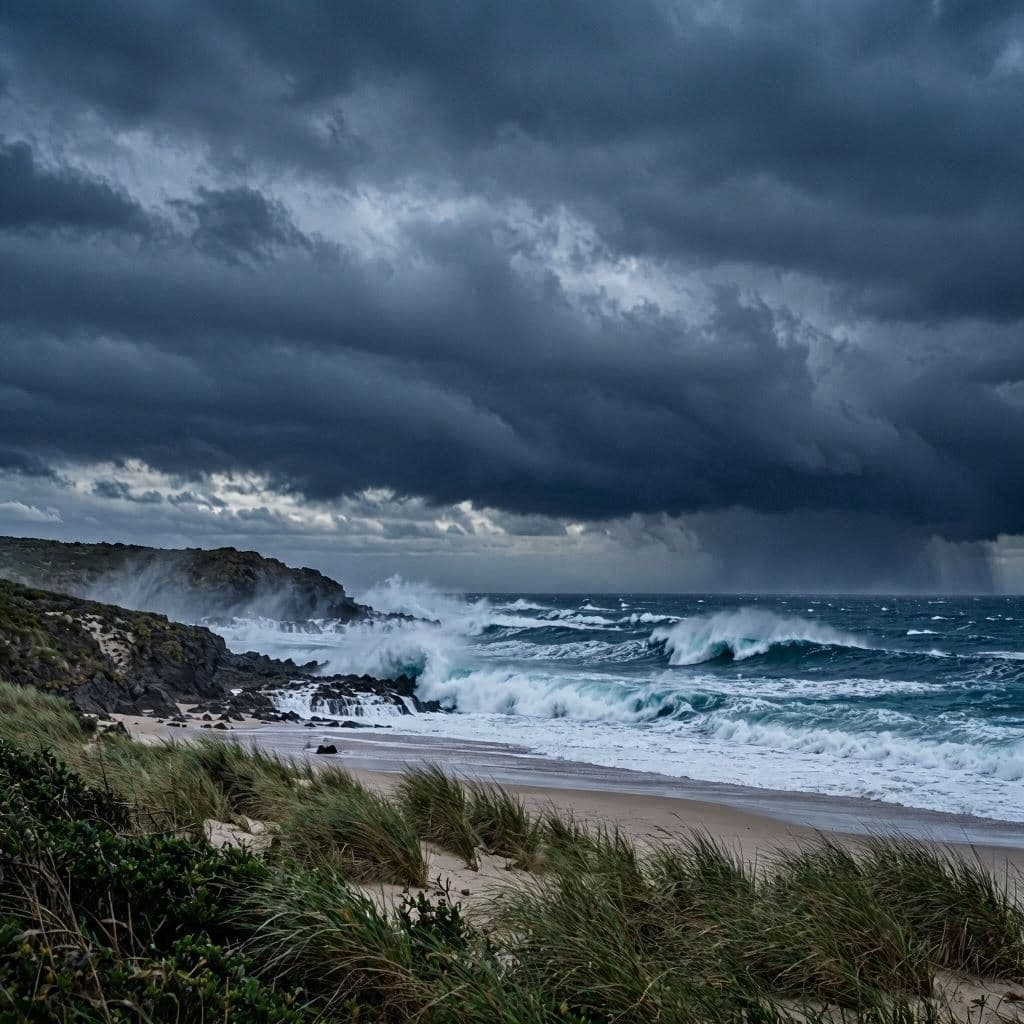
Weather has always been a quiet reminder of nature’s changing rhythm. A clear morning can transform into a restless afternoon, and familiar landscapes can quickly take on a different character when powerful systems move across the sky. For communities along Australia’s eastern coastline, the arrival of severe weather has brought renewed attention to preparation, safety, and resilience.
A major weather system is expected to bring heavy rain, strong winds, and dangerous surf conditions across parts of three Australian states, with authorities warning residents to remain alert as conditions deteriorate. The system has prompted weather warnings and advice for communities likely to experience flooding risks, coastal hazards, and damaging winds.
The Bureau of Meteorology has forecast that affected regions may experience intense rainfall as a low-pressure system and associated weather fronts move through the area. Some locations could receive significant rainfall totals, increasing the possibility of flash flooding, particularly in areas where soil is already saturated from previous wet conditions.
Coastal communities have also been warned about hazardous surf conditions, with large waves and strong winds creating risks for swimmers, boat operators, and people visiting exposed beaches. Authorities have urged the public to follow local warnings and avoid entering the water during dangerous conditions.
Emergency services have emphasized that preparation remains one of the most effective ways to reduce the impact of severe weather. Residents are being encouraged to secure loose outdoor items, monitor official weather updates, and avoid unnecessary travel when conditions become unsafe.
The storm system highlights the challenges faced by communities living near Australia’s coastline, where changing weather patterns can bring a wide range of hazards. From inland flooding to coastal erosion, severe weather events can affect homes, transport networks, and local environments.
Climate scientists have continued to study how broader climate trends influence extreme weather patterns, while noting that individual storms are shaped by many complex atmospheric factors. Forecasting technology and early warning systems remain important tools in helping communities respond more effectively.
As the weather system moves through affected areas, authorities continue to monitor conditions and adjust warnings as needed. The approaching storm serves as another reminder that while nature cannot be controlled, careful planning and community awareness can help people face its strongest moments with greater confidence.
AI Image Disclaimer: The images accompanying this article are AI-generated editorial illustrations created to represent severe weather conditions and are not real photographs of the reported event.
Sources (verified):
Bureau of Meteorology (Australia) ABC News Australia Emergency Management Australia State emergency services agencies
Note: This article was published on BanxChange.com and is powered by the BXE Token on the XRP Ledger. For the latest articles and news, please visit BanxChange.com