The transit lines of western Japan are the definitive pulse of the region, a marvel of precise steel and electricity that moves millions of souls each day with mathematical certainty. The distinctive white bullet trains and local commuters slice through mountains and span wide rivers, binding cities like Kyoto, Osaka, and Kobe into a single, fluid economic organism. It is a system built on momentum, where stillness is an anomaly.
That momentum came to a sudden, absolute halt as an intense weather system slammed into the western prefectures, dropping torrents of water that quickly exceeded the safety margins of the rail infrastructure. Automated sensors placed along the tracks detected dangerous levels of soil saturation on embankments and rising waters near critical bridge pillars. In accordance with strict safety protocols, the power to the overhead lines was cut.
Across the region, trains were systematically guided into the nearest stations or held securely on elevated tracks, their engines humming quietly as the rain beat against the glass windows. Passengers looked out onto a landscape blurred by water, their journeys interrupted by the unyielding reality of the climate. The great mechanical network had been forced into submission by the weight of the atmosphere.
In the central terminals of Osaka and Kyoto, the uncharacteristically quiet platforms stood as a stark visual metaphor for the disruption. The massive digital arrival boards, usually a blur of scrolling times and destinations, displayed long rows of red characters indicating total suspension. The steady murmur of thousands of stranded travelers filled the concourses, their faces lit by the glow of smartphones as they searched for alternative routes.
The suspension of the Shinkansen, the iconic bullet train network, underscores the severity of the storm system. These high-speed corridors are heavily protected against the elements, but when landslide risks multiply along the mountain tunnels and rivers threaten to overtop low-lying bridges, the system prioritizes human life over schedule precision. The tracks became empty ribbons of steel running through the rain.
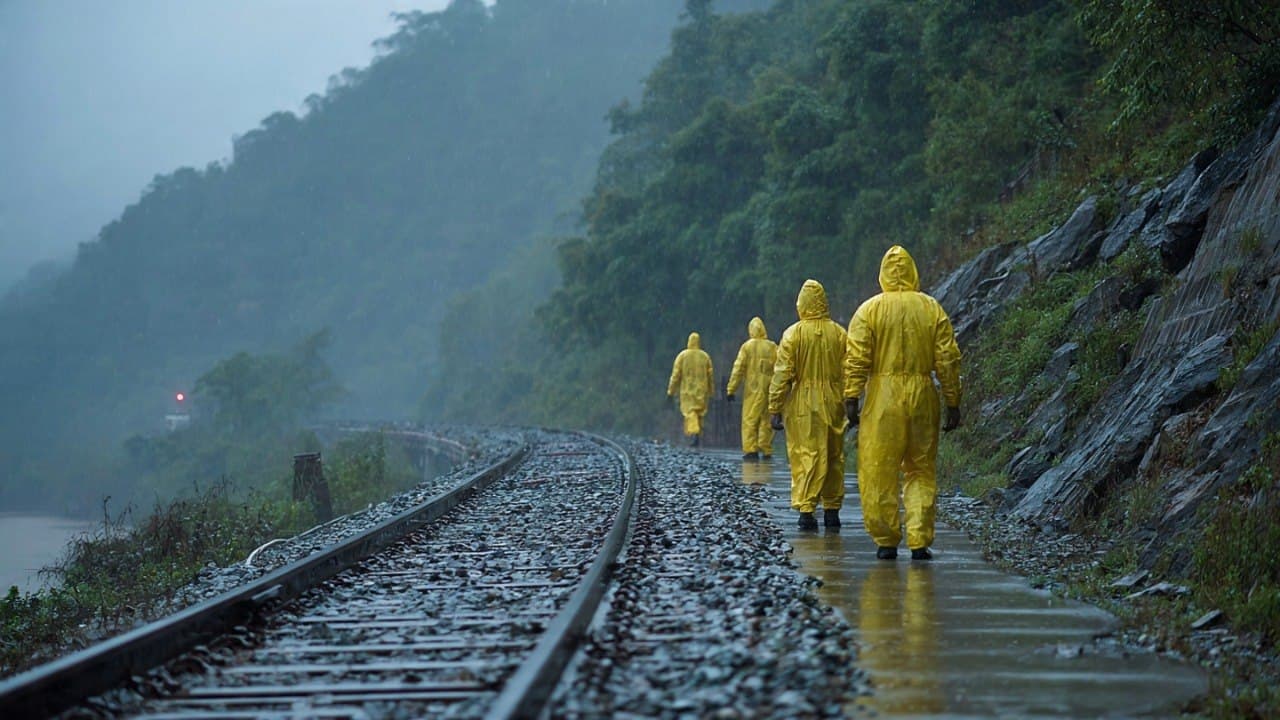
For maintenance crews and transit engineers, the suspension marks the beginning of an intense, invisible operation. Dressed in heavy rain gear, teams moved along the tracks to inspect vulnerable sections, clearing debris from drainage culverts and checking the structural stability of hillside embankments. The work is hazardous and slow, carried out in an environment where the earth remains saturated and unpredictable.
As the afternoon blurred into evening, the likelihood of a resumption of services faded, forcing many travelers to settle into the stations or seek nearby accommodations. The local authorities coordinated with transit operators to distribute water and emergency blankets to those stranded within the terminals, turning the polished stone floors into temporary resting places. The city's rhythm had been fundamentally broken.
The tracks will eventually clear, and the electricity will return to the lines, sending the white trains nose-to-tail across the countryside once more. But the total paralysis of the network serves as a sobering reminder of the boundaries that nature can still impose on our most advanced systems of mobility. Until the storm passes, the region remains still, listening to the rain on the rails.
The West Japan Railway Company and Central Japan Railway Company have announced the comprehensive suspension of operations along major lines, including the Tokaido and Sanyo Shinkansen corridors. Officials stated that service will remain offline until thorough post-storm safety inspections of tracks and structural bridges can be completed.
Published by Banx Network. This article is part of the Banx decentralized media programme, powered by the BXE token on the XRP Ledger.