
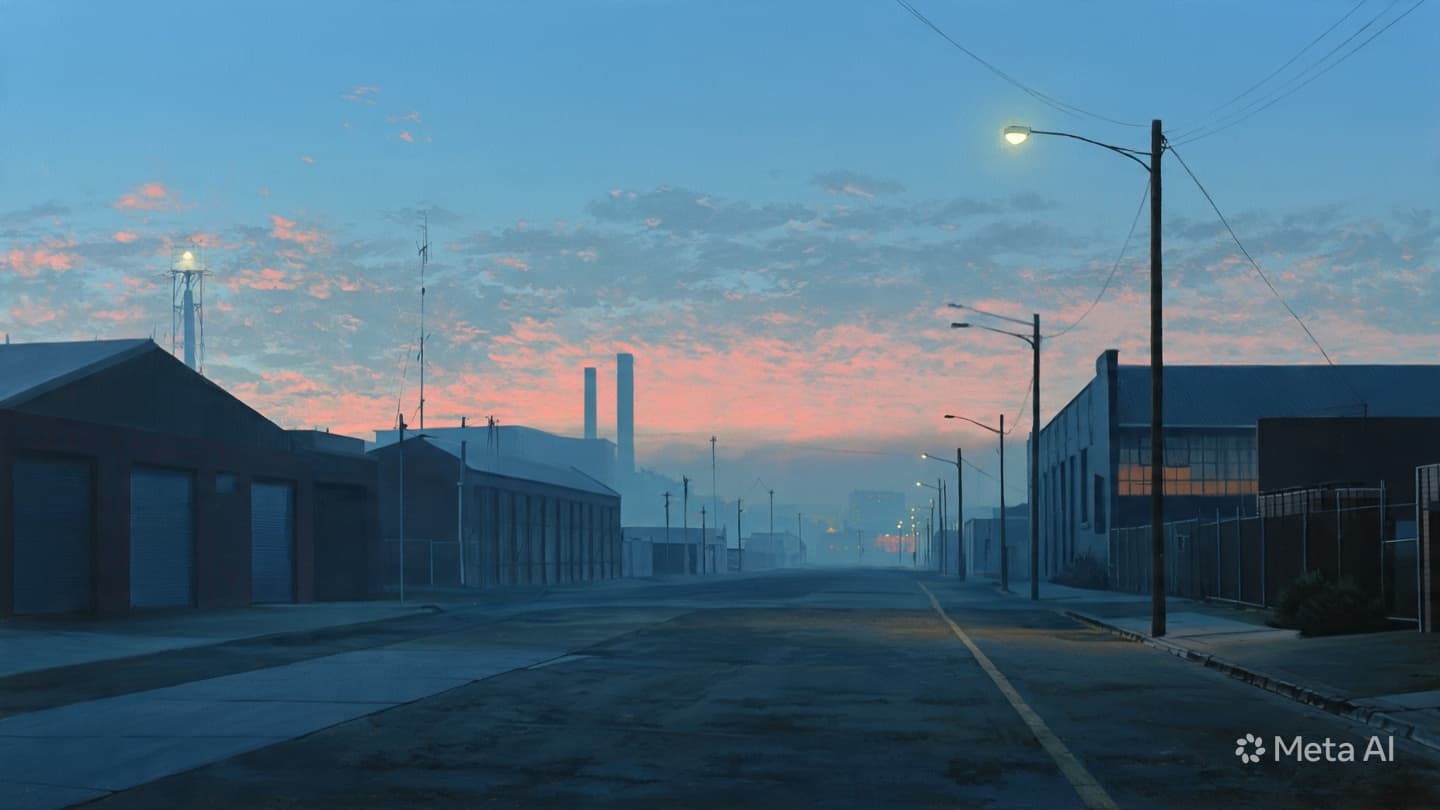
The cityscape of Melbourne, a vibrant grid of brick, glass, and the steady hum of commerce, is a place where history and modernity are continuously woven together. Among the bustling streets and the refined laneways lie the warehouses—the sturdy, spacious shells that have long housed the engines of our urban prosperity. These structures, with their high ceilings and open floors, are more than mere buildings; they are the backdrop for the labor that sustains the city’s identity. Yet, there is a fragility within these spaces that we rarely allow ourselves to consider, a vulnerability that can be unmade in the time it takes for a single flame to find its hold.
On a day when the usual rhythm of the district was proceeding with its typical intensity, the air in one such warehouse was transformed by the sudden, suffocating presence of smoke. It is a terrifying transition, one that moves from the safety of the working day to the chaotic, visceral urgency of survival. When the fire began its rapid ascent, the structures that normally provide us with a sense of enclosure became sites of intense heat and uncertainty, forcing a confrontation with forces that no amount of urban preparation can fully mitigate.
One person was left to bear the physical cost of this disaster, suffering critical injuries as they faced the fire in the confines of the warehouse. Their hospitalization is a somber reminder of the hidden risks that exist within the walls of our most essential industrial spaces. We are reminded that the safety of our workplace is not just a matter of productivity, but a fundamental human right, and that the sudden intrusion of a fire is a failure that reaches far beyond the technical report, touching the families and the communities that depend on these individuals.
The emergency responders who entered the structure did so with a level of bravery that is hard to articulate. They faced the heat and the darkness, their lives tethered to the responsibility of the rescue, moving through the smoke to secure the safety of those who were trapped. Their presence in these moments is a testament to the essential, unspoken social contract that binds a city together—the promise that in our time of deepest need, there will be someone willing to stand between us and the fire.
In the neighborhood surrounding the warehouse, the atmosphere has shifted, replaced by a heavy, somber reflection. The community stands together in the wake of the tragedy, offering support and attempting to find meaning in a situation that feels devoid of it. It is a process of reclamation, an attempt to restore the sense of safety that was stripped away in the day. The story of this fire will become a part of the city’s narrative, a point of reference for the need for better systems, better vigilance, and a more profound concern for one another.
We are left to process the event with a sense of contemplative humility. It is an invitation to look at our own workplaces with a new eye, to be aware of the systems that provide us with heat and light, and to hold those we share our buildings with in a higher regard. Life is so often lived on the assumption of continuity, a belief that tomorrow will look much like today, but events like these serve to puncture that illusion, reminding us of the precious, precarious nature of our existence within the walls we call our own.
As Melbourne moves forward, the memory of the individual who was injured will remain a quiet, constant presence. It is a tragedy that will be reflected upon by officials, neighbors, and strangers alike, serving as a somber reminder of the need for empathy and the constant, essential work of keeping one another safe. We honor the injured by holding their recovery with gravity and by committing ourselves to a future where the structures we inhabit are truly worthy of the lives they contain.
A warehouse fire in Melbourne, Victoria, left one person critically injured. Emergency services worked to contain the blaze as it engulfed the building, and an investigation into the fire's origins has been launched by local safety authorities. The area around the warehouse was secured during the operation, and medical personnel have been providing ongoing care to the victim as the facility undergoes a safety assessment.
Note: This article was published on BanxChange.com and is powered by the BXE Token on the XRP Ledger. For the latest articles and news, please visit BanxChange.com