
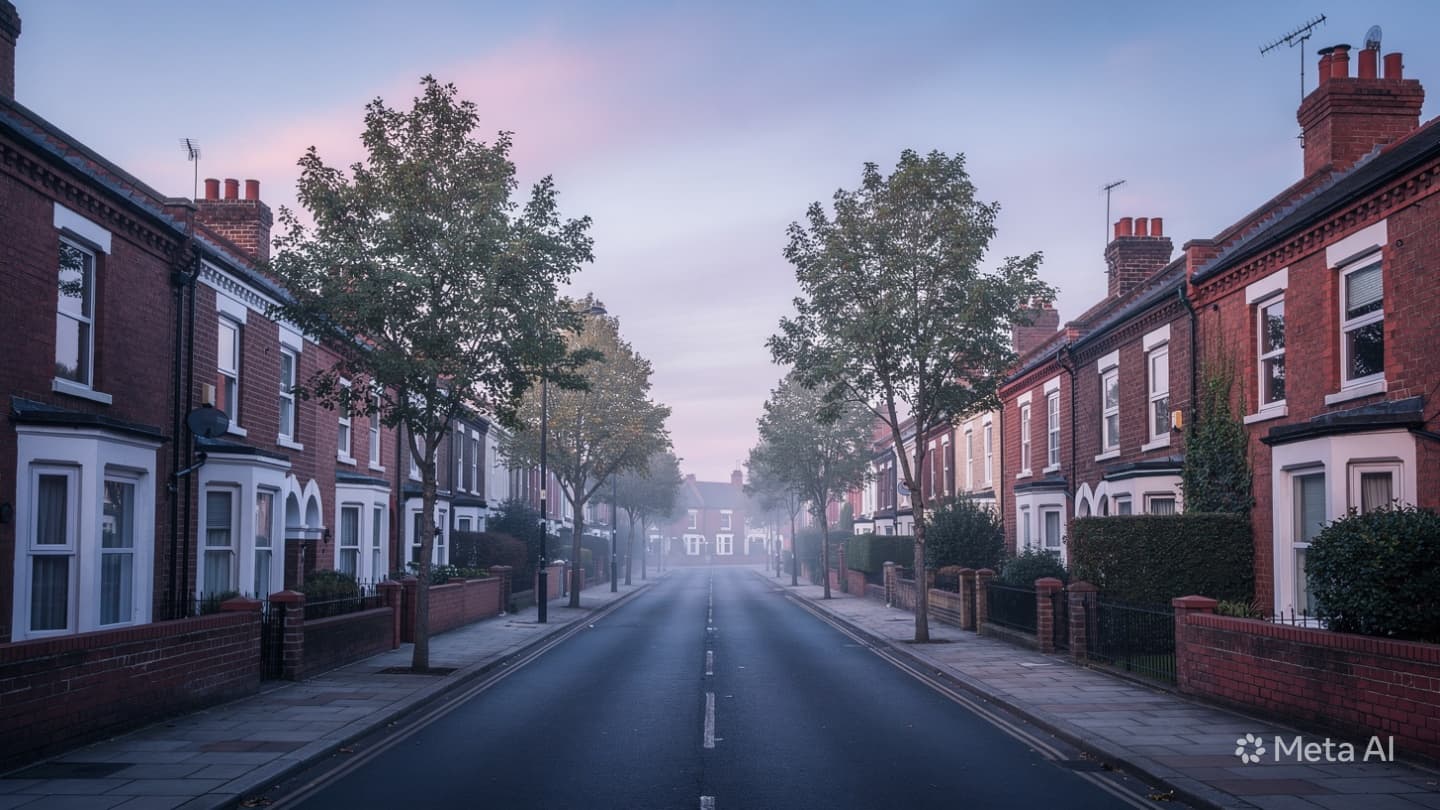
The city is a tapestry of habit, woven from the mundane rhythms of morning departures and evening returns. Beneath the pavement and the brickwork lies a complex network of utility and conduit, a quiet, unseen circulation that keeps the urban organism breathing. When this flow is disrupted, the change is often felt before it is understood, a subtle dissonance in the air that signals a departure from the expected. It is in these moments, when the invisible infrastructure falters, that the composure of a neighborhood is truly tested.
In a quiet district of Birmingham, the air recently carried an uncharacteristic weight, a silent warning that rippled through the architecture of a residential street. A localized gas leak, originating from a failure deep within the subterranean lines, forced a sudden, involuntary pause in the lives of the residents. The emergency, though contained, transformed the familiar comfort of the home into a space of immediate, cautionary departure. There is a strange, unsettling stillness that descends upon a street when its inhabitants are asked to leave, leaving the windows to stare out at an empty, waiting world.
Emergency services arrived with the measured precision of those who have seen the volatility of such failures before. The evacuation was carried out with an efficient calm, a necessary detachment that prioritized the safety of the population over the comfort of routine. As families moved through their doors, they stepped into a brief, liminal space—a moment suspended between the life they had just stepped out of and the uncertainty of the hours ahead. The district, typically alive with the soft hum of domestic activity, fell into a profound, echoing silence.
Inside the cordoned-off perimeter, the focus shifted to the physical source of the disturbance. The infrastructure of a city is robust, yet it is susceptible to the slow, relentless pressure of time and environment. Underground lines, buried deep beneath the foundations, can succumb to shifts in the earth or the simple erosion of decades, and it is here that the modern world often reveals its fragility. The task of the responders was not just to silence the leak, but to navigate the intricate web of pipes and wires that sustain the modern home.
The incident serves as a quiet reflection on the reliance we place upon the unseen networks that thread through our lives. We often view our houses as impenetrable shells, yet they are tethered to a larger, more delicate reality. When a gas leak prompts such a response, the boundaries between the private interior and the public utility vanish. For a few hours, the neighborhood was not defined by its residents, but by the work of those ensuring that the air would once again be safe to breathe, and the foundations stable enough to return to.
As the authorities managed the scene, the residents waited in the peripheral spaces of the city, watching their own homes from a distance. The disruption is a fleeting interruption of the urban narrative, but it carries a weight that lingers long after the danger is neutralized. It reminds us of the delicate balance required to maintain a residential life in an era of complex mechanical dependency. The incident, while significant in the moment, eventually dissolved into the long, grey record of city management.
When the all-clear was finally given, the return to the home was not simply a resumption of routine. It was a conscious re-entry, a quiet observation of the familiar walls and the stillness of a space that had been protected from harm. The neighborhood reassembled itself, the rhythm of domestic life slowly regaining its cadence. The experience left behind a subtle awareness, a deeper understanding of the thin line between the mundane comfort of the living room and the unseen forces at play beneath the ground.
The resolution of the Birmingham incident stands as a quiet tribute to the coordination of emergency responders and the cooperation of the community. In the end, the streets returned to their expected state—the quiet suburban sprawl, the passing of vehicles, and the slow, inevitable movement of a city towards the evening. Yet, for those who lived through the evacuation, the memory of the event remains, a small, reflective point in the timeline of the district, colored by the grace of a danger avoided and the relief of a safe return.
Note: This article was published on BanxChange.com and is powered by the BXE Token on the XRP Ledger. For the latest articles and news, please visit BanxChange.com