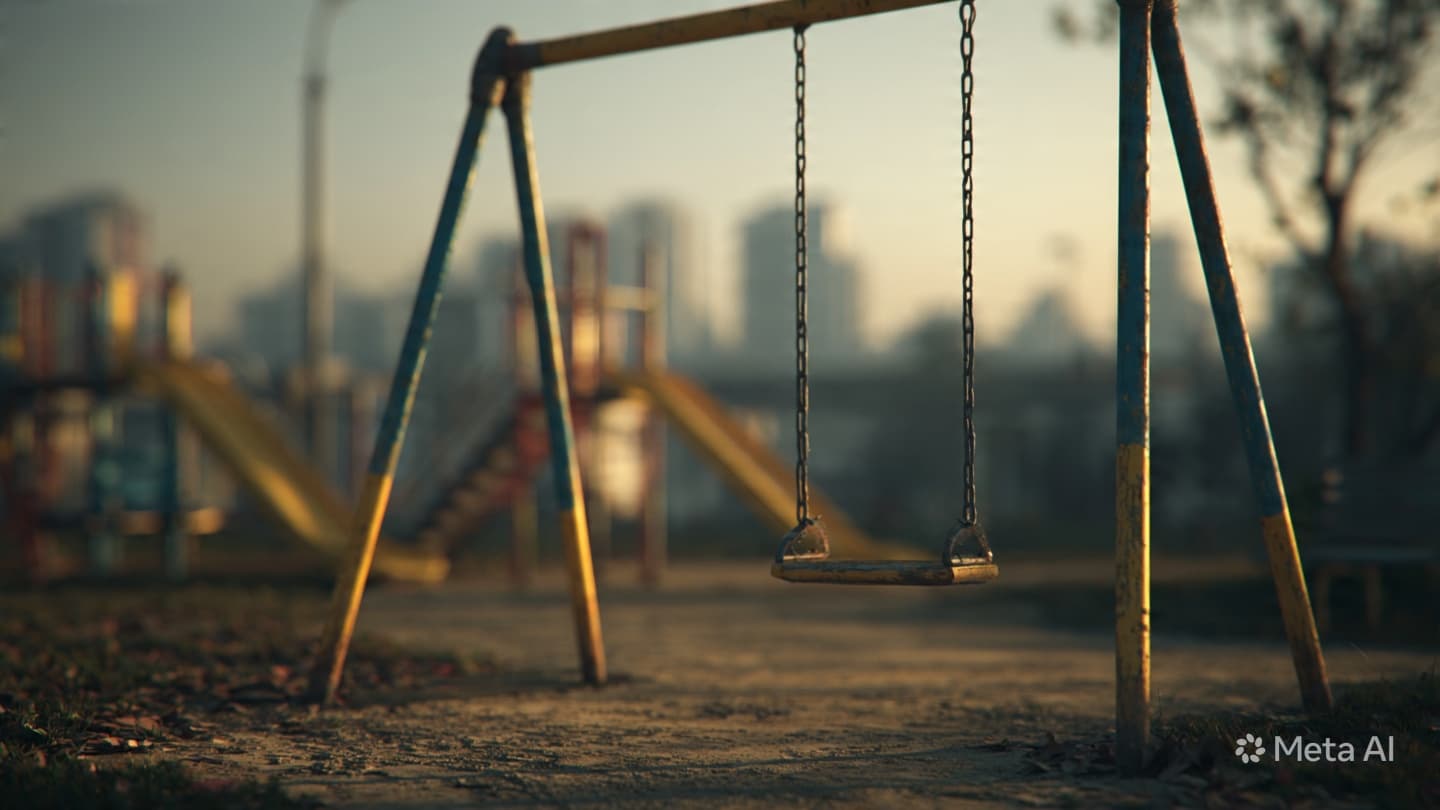
The rhythm of a school day—the morning bell, the quiet hum of study, the sudden burst of energy during recess—is a foundation upon which a community builds its future. In General Santos City, that rhythm has been interrupted, not by a choice of the students or their teachers, but by the physical reality of a landscape tested by the recent, powerful earthquake and its subsequent aftershocks. As classrooms stand quiet and school grounds remain empty, the decision to maintain the suspension of classes serves as a necessary, if difficult, testament to the priority placed on the safety of every child and educator.
This suspension, extending well into the latter half of June, is rooted in a commitment to rigor. Structural Assessment Teams have been deployed across the city’s educational landscape, meticulously examining everything from the foundation pillars of primary schools to the integrity of secondary campus buildings. It is a process that refuses to cut corners; each structure must be inspected, evaluated, and declared safe before the doors can be opened once more. It is a reminder that the safety of a school is not just a policy, but a physical certainty that must be verified on the ground.
The transition to asynchronous learning during this period is an attempt to preserve the continuity of education in a time of instability. It is a delicate balance, trying to keep the spark of curiosity alive while the physical vessel of that learning—the school itself—remains under the cloud of assessment. For the families, this phase requires a different kind of patience, as they navigate the uncertainties of a home-based learning environment while waiting for the reassurance that their local campuses have been restored to safety.
A critical, often overlooked element of this recovery is the focus on the mental health of the school population. Before the return to normal activities, the Department of Education has mandated Psychological First Aid, recognizing that the earthquake has left an invisible impact on the hearts and minds of the students. This commitment to the emotional well-being of the youth is as vital as the structural repairs; it acknowledges that the trauma of a disaster is not something that simply fades when the ground stops shaking.
The work of the Division Committee and the School Disaster Risk Reduction and Management coordinators has been tireless. These teams, often working from makeshift offices outside of damaged buildings, represent the quiet backbone of the city’s educational recovery. They are the ones who coordinate the inspections, facilitate the mental health support, and manage the complex logistics of keeping a division running when its physical infrastructure is compromised.
The city’s response, characterized by this pause, reflects a broader shift toward a culture of disaster resilience. By prioritizing the safety of its learning spaces, General Santos City is setting a standard that places human life and well-being at the heart of public policy. It is a slow, steady process, one that requires the understanding of the entire community as they navigate the challenges of recovery.
As the assessments continue and the structural integrity of more buildings is confirmed, the prospect of a return to the classroom grows closer. The suspension is not a permanent state, but a temporary measure designed to ensure that when the students do return, they do so into an environment that is truly secure. It is a moment of pause that serves to build a stronger foundation for the future.
The story of the schools in General Santos City is one of persistence. It is a narrative of a community that refuses to rush the process of safety, choosing instead to be thorough, careful, and compassionate. As the city looks toward the resumption of classes, the focus remains on the well-being of the learners, ensuring that when the bells eventually ring again, they do so in schools that are safe, stable, and ready to welcome their students home.
Following the devastating magnitude 7.8 earthquake on June 8 and a strong magnitude 6.2 aftershock on June 15, classes in General Santos City’s public schools remain suspended until further notice. Education officials have mandated a transition to asynchronous learning to ensure continuity while structural assessment teams conduct comprehensive re-evaluations of all school buildings. The Department of Education has emphasized that no institution will resume physical classes until it has been formally declared safe for occupancy. Furthermore, school heads have been directed to implement mandatory Psychological First Aid for all students and personnel to address the trauma caused by the seismic events, ensuring that mental health support is fully integrated into the school’s recovery and reintegration plans.
Published by Banx Network. This article is part of the Banx decentralized media programme, powered by the BXE token on the XRP Ledger.