
The eastern provinces of Cuba, with their rugged mountain ranges and historic coastlines, possess a landscape that feels deeply rooted in the slow passage of time. Here, life is lived in the open air, dictated by the cultivation of coffee in the hills and the steady patterns of small-scale agriculture in the valleys. Yet, this pastoral serenity is periodically shattered by the immense atmospheric disruptions that gestate in the warm waters of the Atlantic, turning the ocean into a source of existential threat.
The approach of a major tropical cyclone introduces a profound shift in the sensory environment of the region, beginning long before the first rain bands arrive. The air becomes heavy and unnaturally still, the usual afternoon breezes dying away to leave a suffocating heat that hangs over the small towns. On the coast, the surf takes on a deep, rhythmic growl, its long-period swells hitting the rocky headlands with a violence that signals the immense energy moving toward the shore.
Faced with the mathematical certainty of a Category 3 hurricane, the response of the community must be swift, orderly, and collective. The announcement of mandatory evacuations transforms the quiet streets into scenes of methodical preparation, where families secure their roofs with ropes and pack their essential belongings into simple canvas bags. There is an absence of panic, replaced instead by a quiet, historical familiarity with the protocols of survival that have been refined through generations of seasonal adversity.
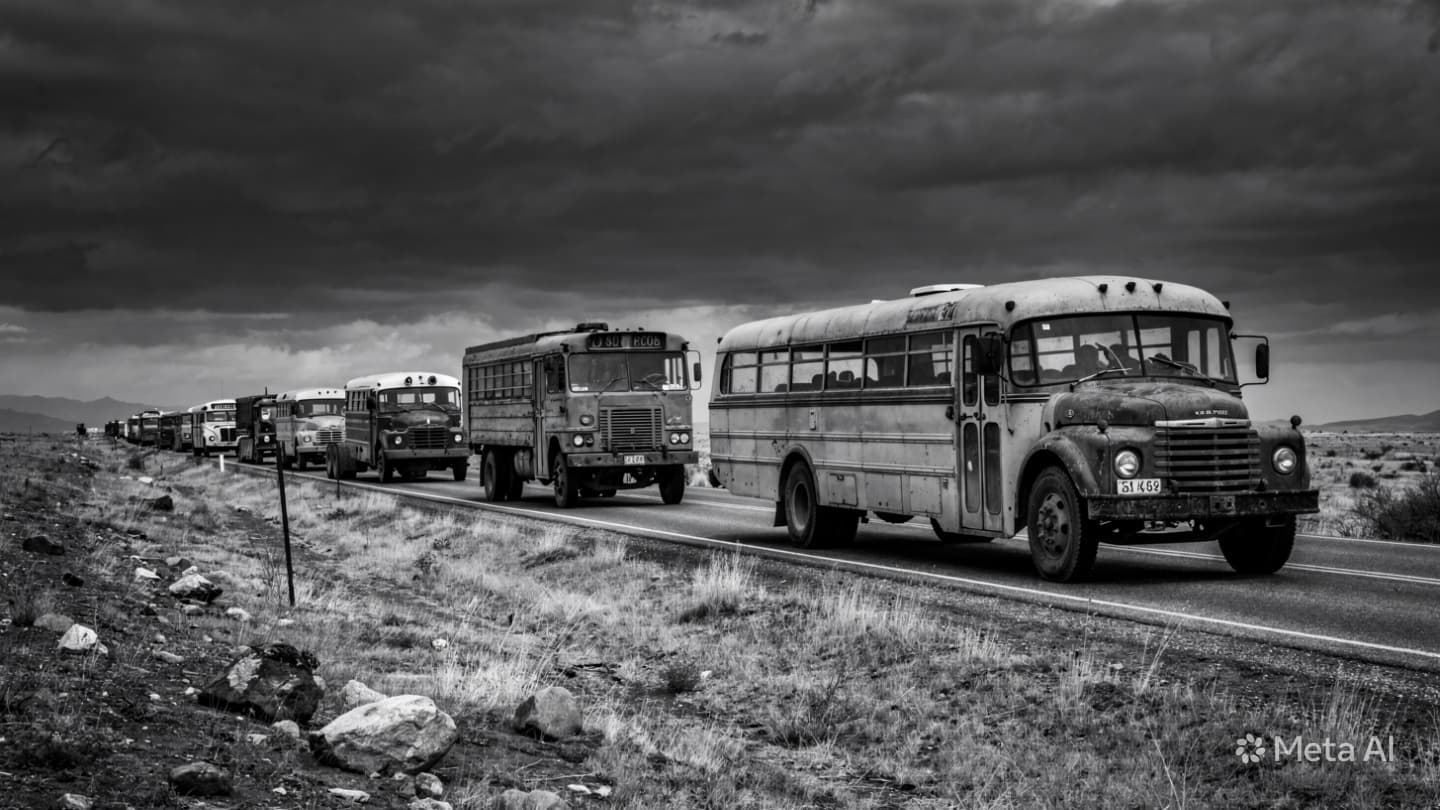
The migration of tens of thousands of people from low-lying coastal areas to the safety of inland shelters is a monumental logistical undertaking. School buses, agricultural trucks, and horse-drawn carts are mobilized to move the vulnerable population, creating a steady stream of traffic heading toward the high ground of the interior. The shelters, often established in concrete school buildings or government centers, become temporary villages where neighbors share limited space and resources in a spirit of quiet solidarity.
For the small farmers of the eastern valleys, the evacuation carries a deep material anxiety, as they are forced to leave behind the crops and livestock that represent their entire livelihood. Pigs are moved to higher pens, equipment is buried or secured, and the fields of corn and plantain are abandoned to the unpredictable whims of the wind. The knowledge that a few hours of storm can erase a year of labor is a heavy burden, carried silently as the trucks move away from the farms.
The work of local civil defense committees is critical during these final hours of preparation, as they systematically verify that no one remains in the designated danger zones. Officials move from house to house in the isolated fishing villages, checking shutters, securing medical supplies, and ensuring that the elderly and infirm are safely transported to medical facilities. It is a meticulous, human-centered form of risk management that prioritizes the preservation of life above all material considerations.
As the afternoon fades into a bruised, purple twilight, the evacuated coastal towns take on the eerie quality of a stage set after the actors have departed. The windows are boarded with rough timber, the streets are empty of children, and the only movement is the occasional stray dog seeking shelter beneath a concrete porch. The silence is absolute, a collective holding of the breath as the outer bands of the hurricane begin to brush the easternmost capes of the island.
The long-term resilience of these communities is tested with each passing season, forcing a continuous cycle of destruction, recovery, and reinforcement. The structural poverty of the region complicates the process of rebuilding, ensuring that the scars of a major storm remain visible for years after the weather has cleared. Yet, the social fabric remains intact, providing the essential support structure that allows these towns to emerge from the shelter and begin the work of reclamation once again.
Emergency authorities in Cuba have initiated mass mandatory evacuations across five eastern provinces as a powerful Category 3 hurricane approaches the island. The Institute of Meteorology warned that the storm is expected to bring sustained winds of 115 miles per hour and catastrophic storm surges to coastal communities within twenty-four hours. Civil defense teams have already relocated over one hundred thousand residents to temporary government shelters and secured critical infrastructure against potential flood damage.
Note: This article was published on BanxChange.com and is powered by the BXE Token on the XRP Ledger. For the latest articles and news, please visit BanxChange.com